Yes, I'd like to see videos dispalyed.
In the same year, Tranquillo was the youngest player in the St. Gallen senior squad to secure a regular place in the first team and over two years he scored twelve goals in 60 games.
The speedy winger, who could play on the right or the left, was signed by Bayer 04 in 2004 and loaned out to league rivals Hannover 96 for a year straightaway. He was supposed to collect match practice in the Bundesliga but he missed almost the whole season through injury.
Quillo finally moved under the Bayer Cross for the new 2005/06 campaign and he became a regular starter. He played for the Werkself for seven years and made at least 30 Bundesliga appearances in each of the first five years. His biggest success with Bayer 04 was reaching the DFB Pokal final in 2009. His period of suffering began at the start of the Rückrunde on 14 January 2011 when he picked up a knee injury. He did return to the starting XI two months later but was sidelined for half the season in the following 2011/12 campaign. After 228 appearances for Bayer 04, with 26 goals scored, he decided to move on to Schalke 04.


However, he did not establish himself in the starting line-up. Quillo went out on loan to Eintracht Frankfurt after a disappointing year to gain match practice to put himself forward for the Switzerland squad for the 2014 World Cup in Brazil. He was in the Switzerland squad but did not play in South America. Quillo has 75 caps for Switzerland and has scored ten goals on the international stage.
After another season at Schalke 04, he went to the USA for a year. He played for Philadelphia Union. After that experience he returned to the "love of his youth". In 2017 he signed for FC St. Gallen again for two years. Tranquillo Barnetta played another 50 times for the club and received a brilliant farewell on his last home game against the Switzerland champions Young Boys on his 34th birthday. He scored a goal in the 4-1 win and left the pitch in added time with mixed emotions.
Quillo became a house husband after the end of his playing career. His wife works as a doctor and he looks after the three children in his home town. He is active in community affairs and is also an ambassador for the Special Olympics.
Dear Quillo, I wish you all the best for your 40th birthday. Many happy returns and enjoy your birthday.

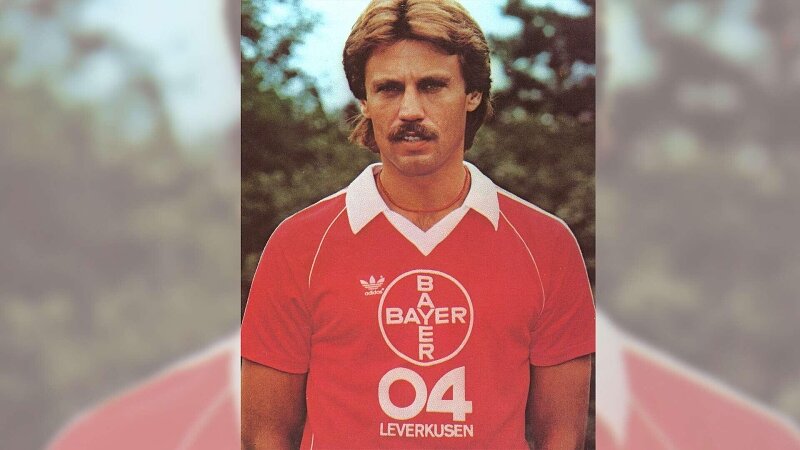
Harry Gniech was born on 14 October 1951 in Leverkusen-Schlebusch. At the age of six, he joined SV Bayer 04, initially in the athletics section. The boy actually wanted to play football, but was only allowed to switch to the football team when he turned nine. Harry quickly established himself as a playmaker in midfield. Despite his talent, the path from the youth team to the first-team squad was a long one back then. In the 1973–74 season, his former U19 coach, Friedhelm Renno – who was by then in charge of Bayer 04’s first team – selected him for his first match with the professional squad.
Show more
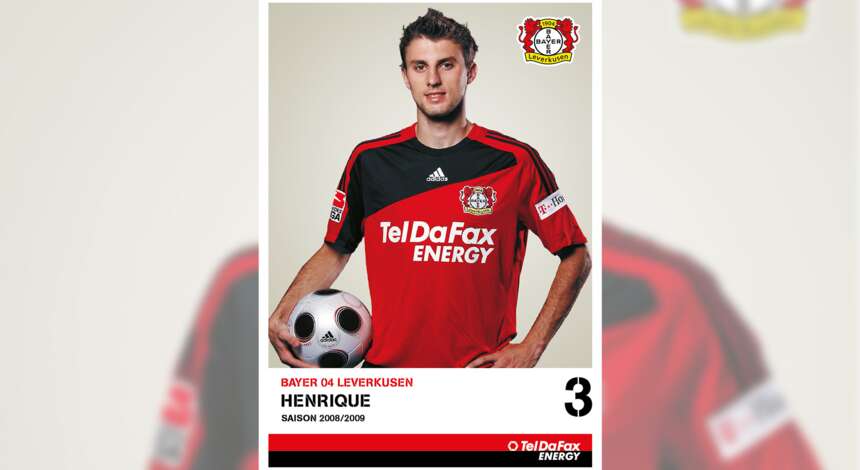
Henrique Adriano Buss, known as Henrique, was born on 14 October 1986 in Marechal Cândido Rondon, a town in the Brazilian state of Paraná. At the age of 13, he joined Coritiba FC and made the step up to the first team in 2006. Henrique helped the team gain promotion to the Brazilian top flight and then moved on to Palmeiras FC. After just five matches for his new club, the 1.85-metre-tall centre-back was signed by Barcelona in 2008 for ten million euros and loaned to Bayer 04 for one year for a fee of €400,000.
Show more
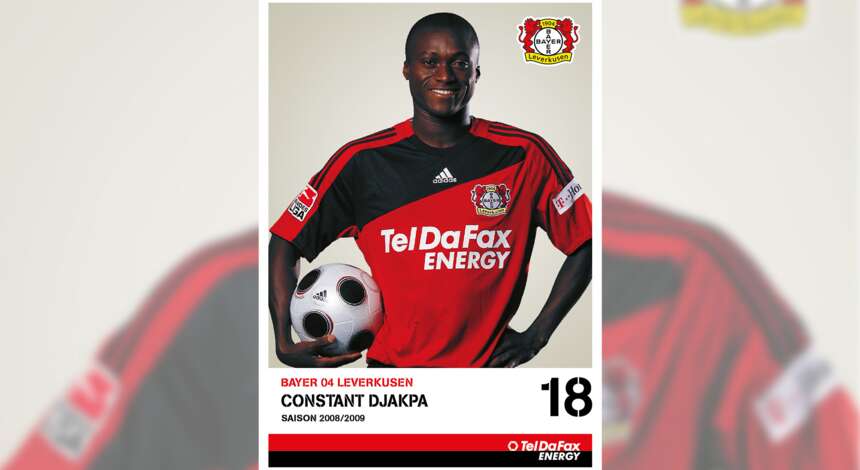
Constant Djakpa was born on 17 October 1986 in Abidjan, Ivory Coast. He started playing football at the age of five. He took his first steps in professional football at Stella Club d’Adjamé, before moving on to Sogndal IL in Norway. His path eventually led him to Germany via the Romanian club Pandurii Târgu Jiu.
Show more
In this video you can see impressive and important goals in the history of Bayer 04 from the month of October. It's not always about the beauty of the goals, but also a reminder of special games and players.
Show more
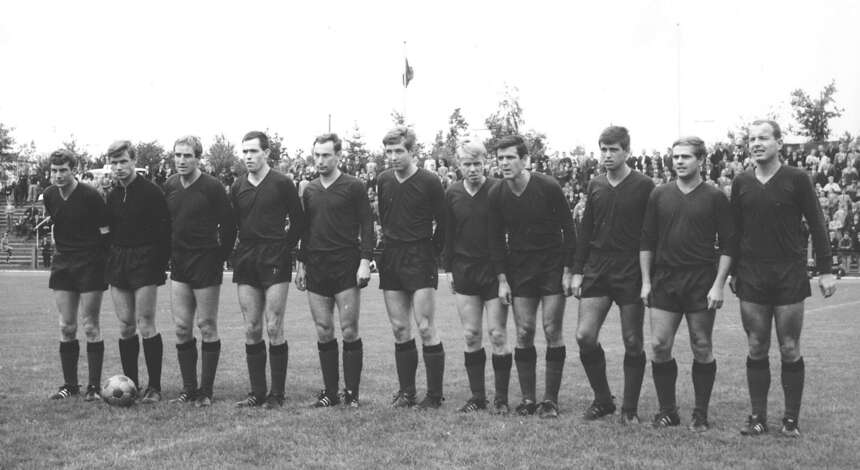
In the first week of October 1966, professional footballers decided to take an unusual step – they went on strike. They felt compelled to resort to this action, which was relatively uncommon until then, to give greater weight to their demands for fair pay. They reasoned that, with three draws, they were entitled to a bonus; at the very least, a points bonus of 75 Deutschmarks that was agreed before the start of the season.
Show more