Legends: Under the Cross for 44 years
For once, this is going to be about me. About my path into football, my years as a goalkeeper at Bayer 04 and my ‘career after my career’ at this great club. So, come with me on a little journey through time...
I was born on 12 February 1963 in Berlin. I spent my first almost 19 years there with my parents and my sister in the Tempelhof district of Mariendorf. My parents tried to get me involved in their various sports. My mum came from swimming, my dad from handball. I wanted to be a goalkeeper - in football. I was also interested in handball, but outfield, and I played that alongside football until I was 15. In 1971, my mum took me to a small club called Traber FC and, after playing four games more badly than well outfield, I quickly found myself between the posts.
But after just three quarters of a year, my path leads me to the neighbouring Mariendorf club Blau-Weiß 90 - the pitches are only around 200 metres apart. In the 1972/73 season, our E-Youth team, now known as the U10s, was so good that we became Berlin champions. In fact, we were the first Berlin champions ever to be crowned in the E-Youth division in Berlin. I am proud to have played my part in this.
In 1979, our B youth team, with some new players, is again so strong that we become German champions after a penalty shoot-out against FC Augsburg with players such as Raimund Aumann, Roland Grahammer, Christian Hochstätter and Leo Bunk. That was the signal for me to join the national youth team. I became European champion With that team I became a champion of Europe in 1981 and also a champion of the world six months later in Australia. To this day, we are the only Germany U20 team to have won that title.
In 1981, I made contact with Bayer 04 when Reiner Calmund called me in Berlin, brought to my attention by Kicker reporter Frank Lußem, whom I had told in an interview that I would like to go to Leverkusen. "Why Leverkusen?" he asked me. I replied: "Well, I can do an apprenticeship at the factory alongside my football, and the two goalkeepers Fred Bockholt and Hubert Makel are already quite old. The chance of playing in the Bundesliga there is pretty good."
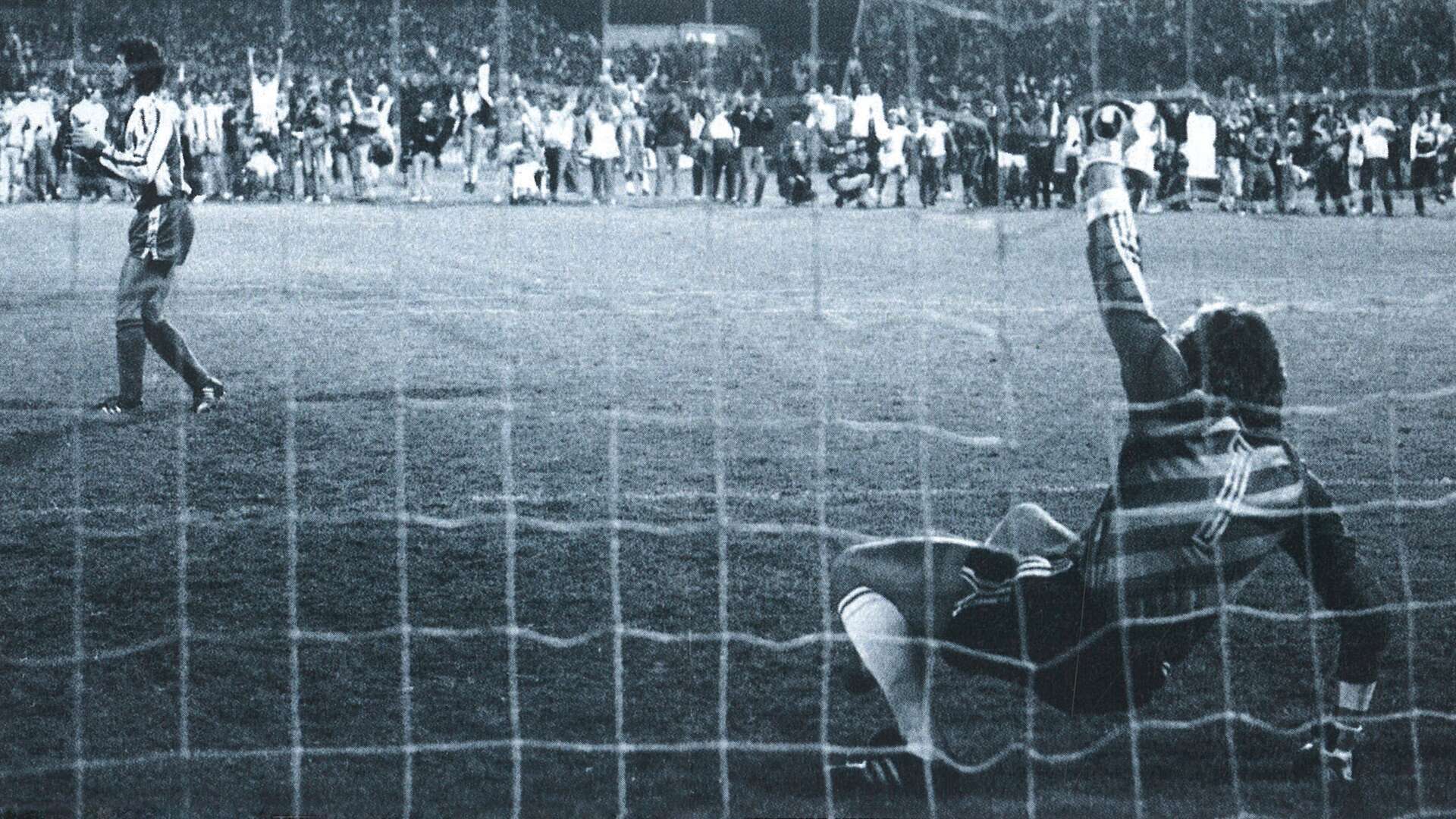
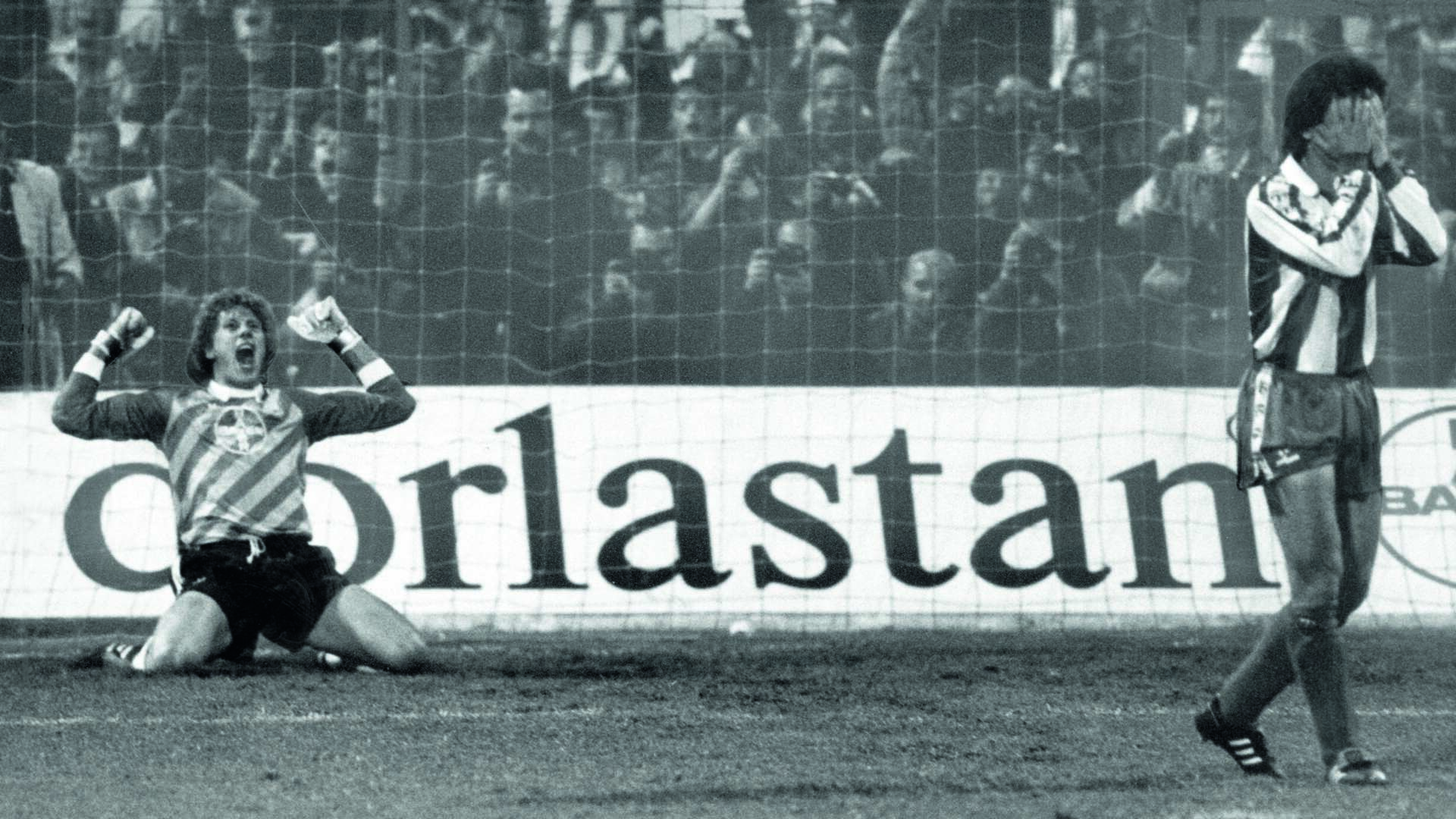
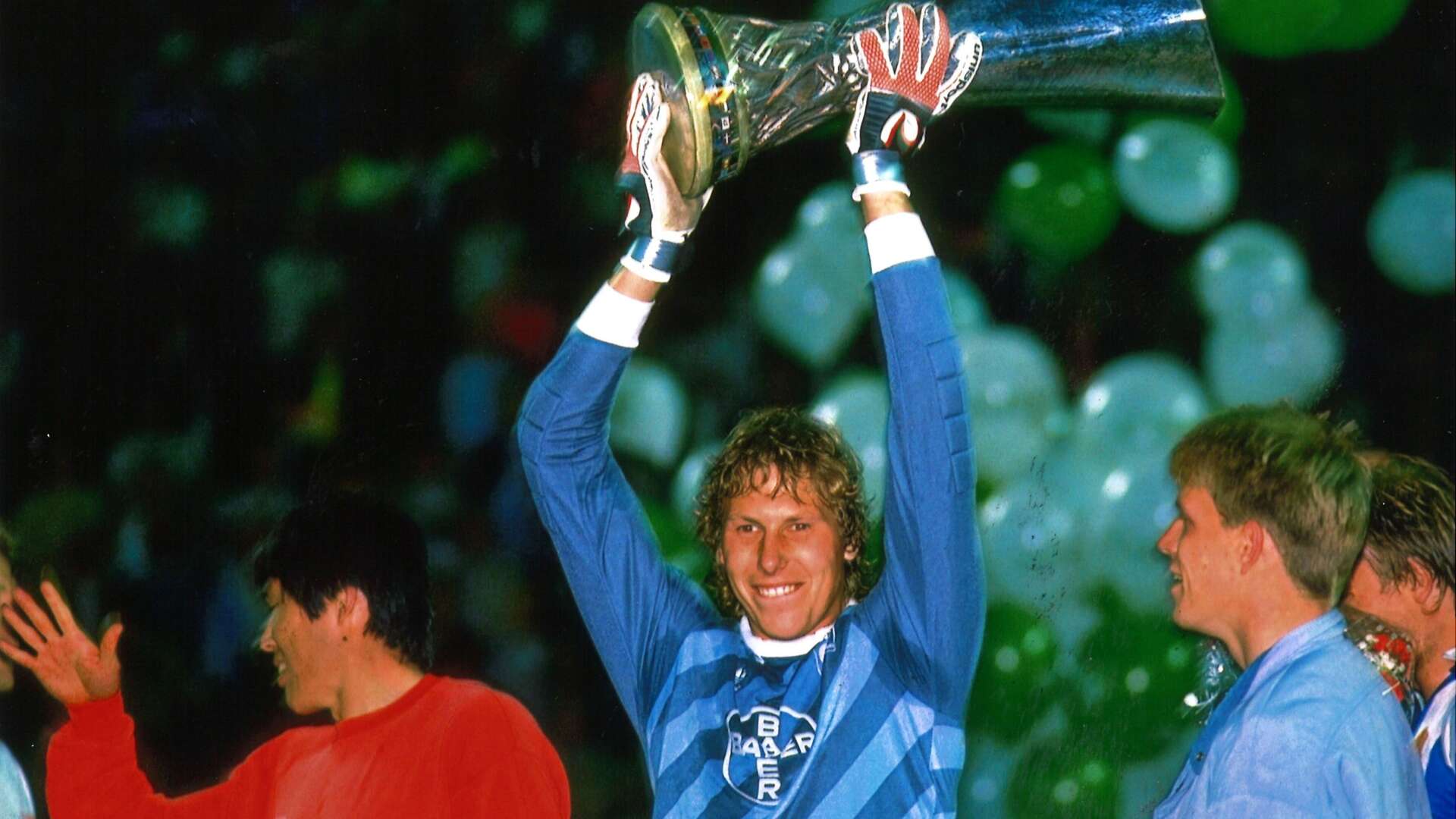

In the summer of 1981, I joined Bayer, not realising that I would still be there 44 years later. After a year with the amateurs and a year on the bench with the first team, the then coach Dettmar Cramer made me number 1 for the 1983/84 season. When people ask me today how my career has gone, I like to put it in a nutshell: two years were so-so, eight years really good and two years so-so again. After winning the UEFA Cup in 1988 and the DFB Pokal in 1993, I was dropped to the bench in 1995. After I ended my playing career in 1999, I took charge of the reserves together with Peter Hermann and mainly looked after the goalkeepers. Then I was brought back in January 2000 because Dirk Heinen moved to Eintracht Frankfurt. I was part of the team again for six months, sat on the bench ten more times and experienced our drama in Unterhaching first hand.
From the summer of 2000 onwards, I trained our young keepers for the next three years, including René Adler, who even became part of our family in August as he lived with us for four years. I met and fell in love with my wife Marion in Leverkusen in 1989. Our two boys, born in 1992 and 1994, both have their own Bayer 04 story. The older one, Fabrice, was a youth player at Bayer 04 for many years and is now a lawyer in Cologne. My younger son, Jérome, is a member of staff at the Bayer 04 Fanwelt. Together we moved into our house in Burscheid in March 1997 and my wife and I still live there.
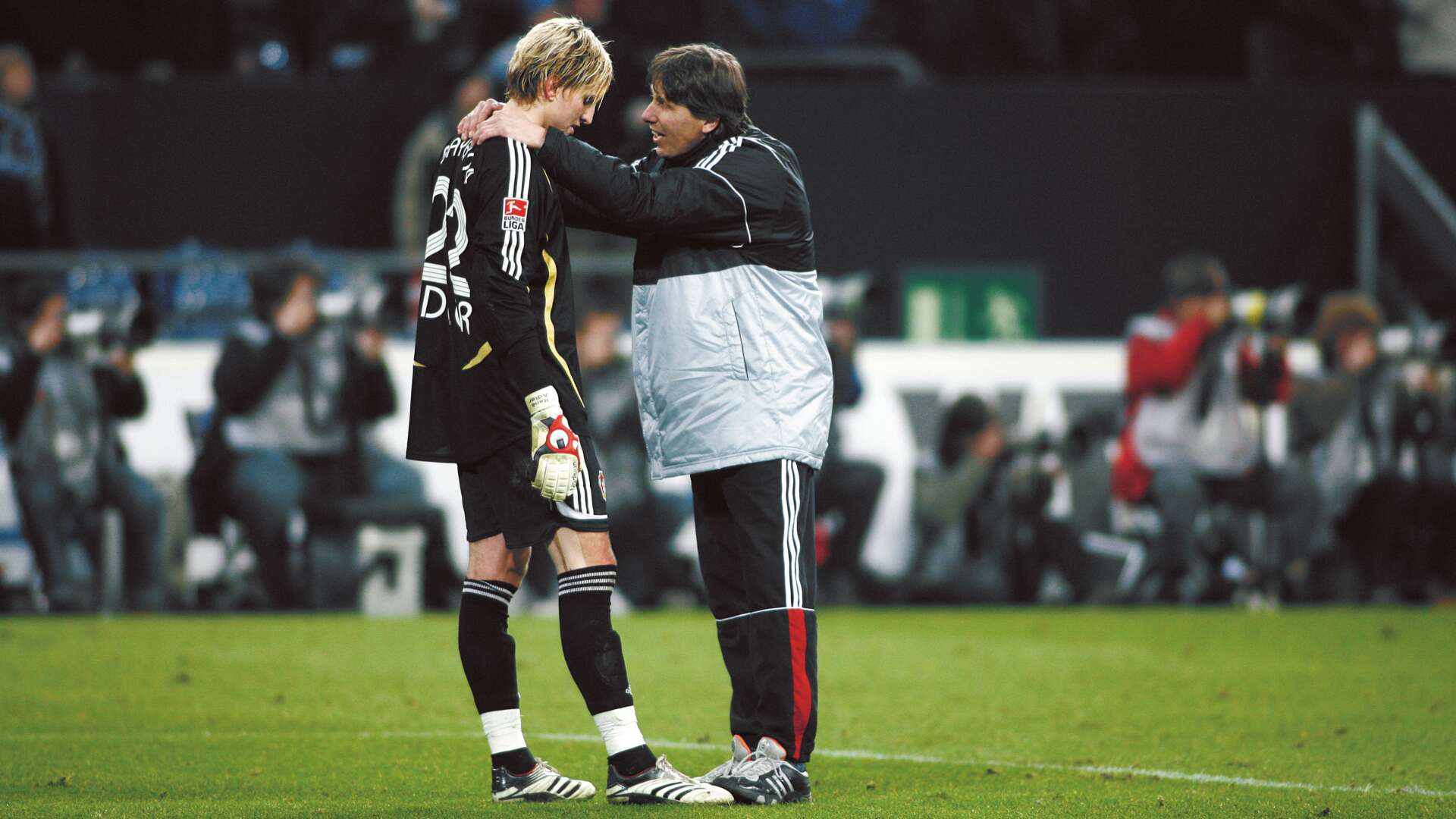
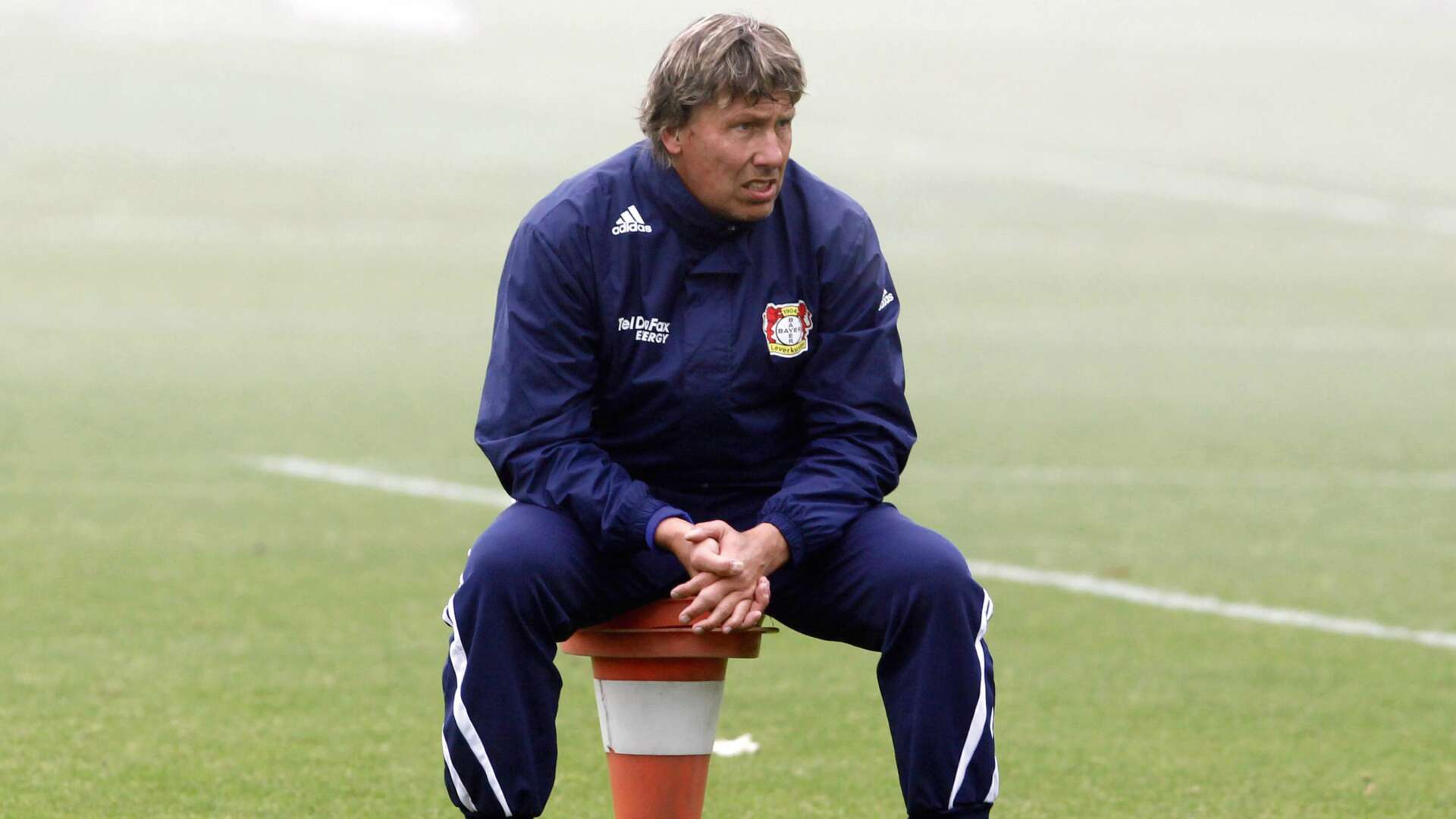
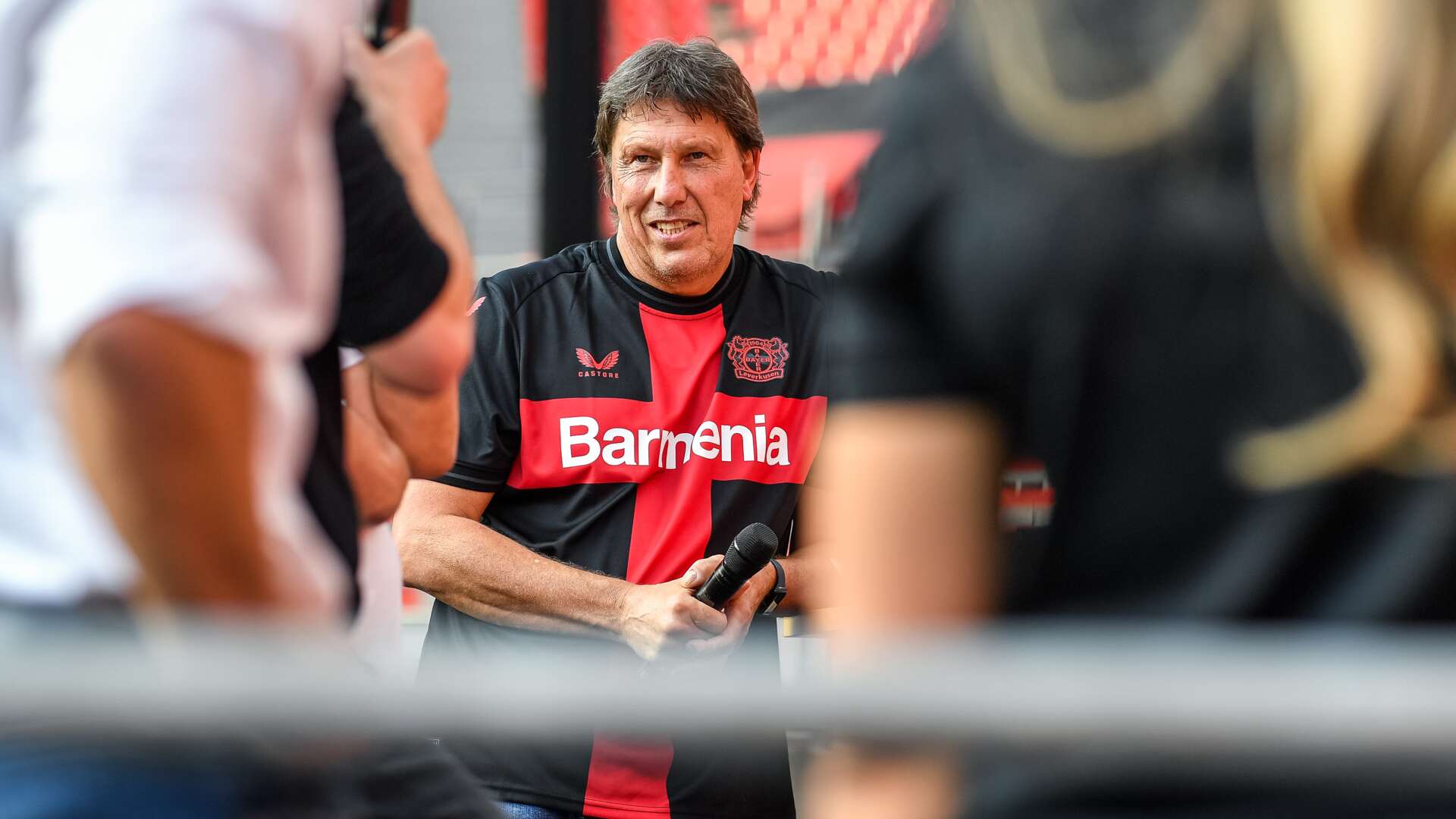
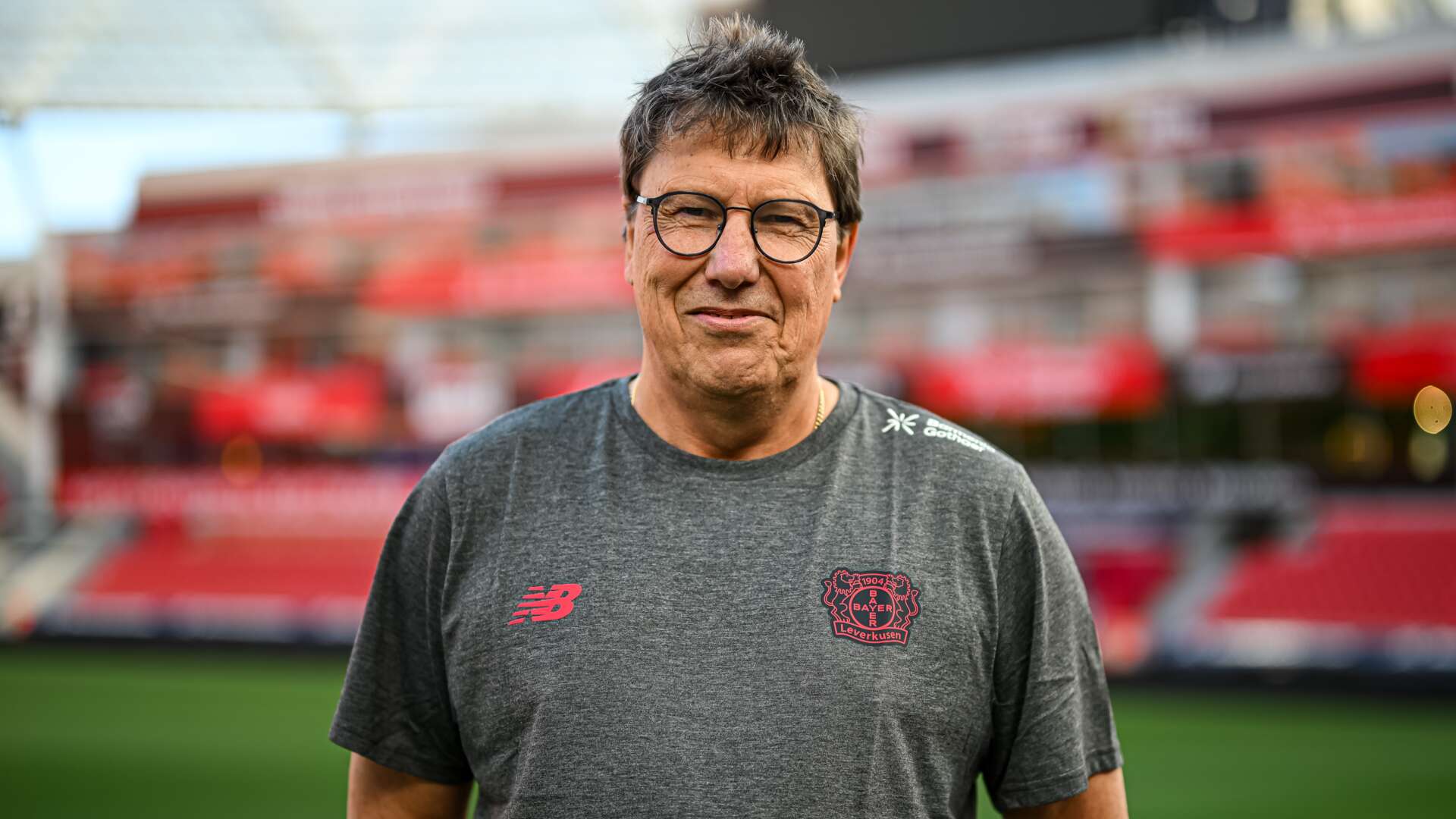
From 2003, I was goalkeeping coach for the first team for the next nine years. When my knees stopped working so well and I found it increasingly difficult to shoot, I had to give up this job with a heavy heart. But I found a new challenge, becoming part of the fan support team and also carried out this task to the best of my knowledge and belief. In the course of organising the Schwadbud in 2014, I did a lot of research into the history of Bayer 04. I read a lot about our past and realised that there is a lot for us Leverkuseners to learn. Since our dream of 2024 came true, I've been employed as a club historian. I've been writing stories about our past in this "Rudi recounts" section for five years now.
I came to Leverkusen from Berlin 44 years ago and every day I am happy and proud to be a part of this club.
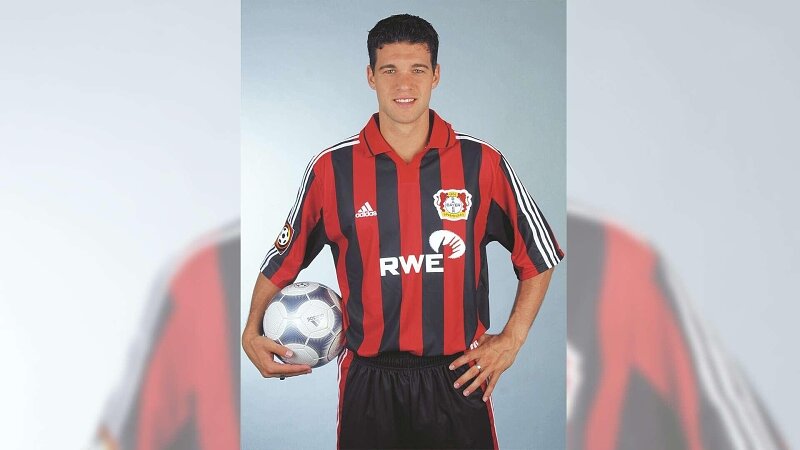
Michael Ballack was born on 26 September 1976 in Görlitz, in what was then East Germany. His talent for football became apparent at an early age. After his family moved to Karl-Marx-Stadt – now Chemnitz – he began playing football for BSG Motor ‘Fritz Heckert’ Karl-Marx-Stadt, where he steadily developed his skills. From Year 7 onwards, he attended the Children’s and Youth Sports School and received systematic sporting support, which, in 1988 – due to his growing skill as a player – led to a move to FC Karl-Marx-Stadt. At the age of 16, he had to take a six-month break due to growth problems, but after that, Michael was unstoppable.
Show more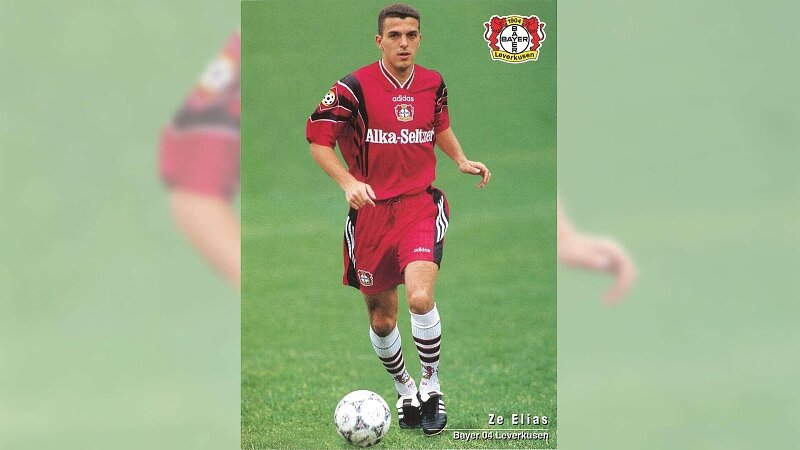
José Elias Moedim Júnior, known as Zé Elias, was born on 25 September 1976 in São Paulo. He received his football training at Sport Club Corinthians Paulista, or Corinthians for short, and was promoted to the first team at the age of just 17. PSV Eindhoven had already taken notice of him by this stage, but the move to Europe was still too early for him. The tenacious defensive midfielder established himself in the first team over the following three years. With Corinthians, Zé Elias won the São Paulo City Championship and the Brazilian Cup in 1995. With his excellent vision, his determination and his assured ball control, he made a significant contribution to his team’s success.
Show more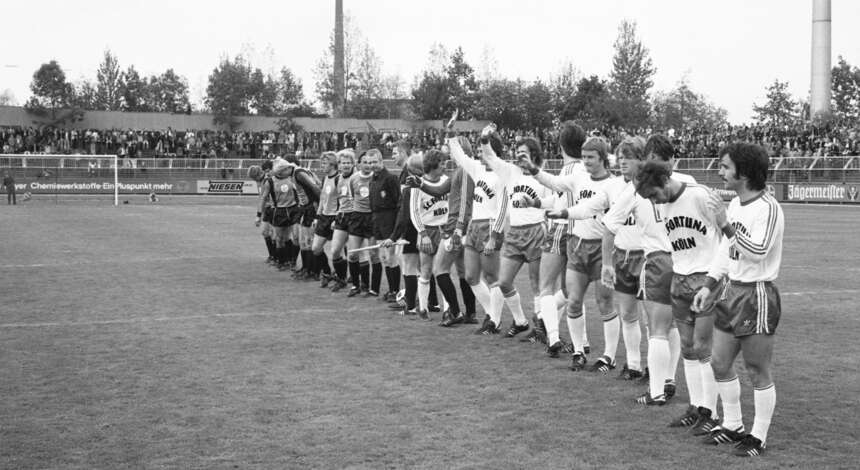
In their second season in Bundesliga 2 North, the Werkself face Fortuna Köln at their home ground, the Ulrich Haberland Stadium, on matchday 7. Both teams are level on seven points, sitting eighth and ninth in the table.
Show more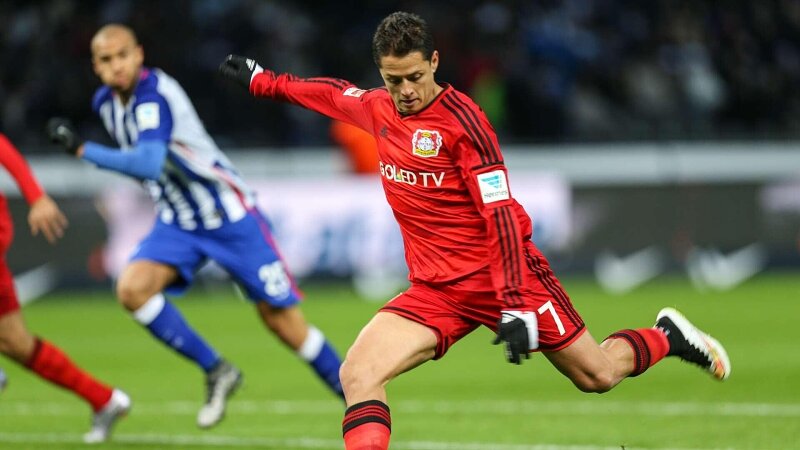
In this video you can see impressive and important goals in the history of Bayer 04 from the month of September. It's not always about the beauty of the goals, but also a reminder of special games and players.
Show more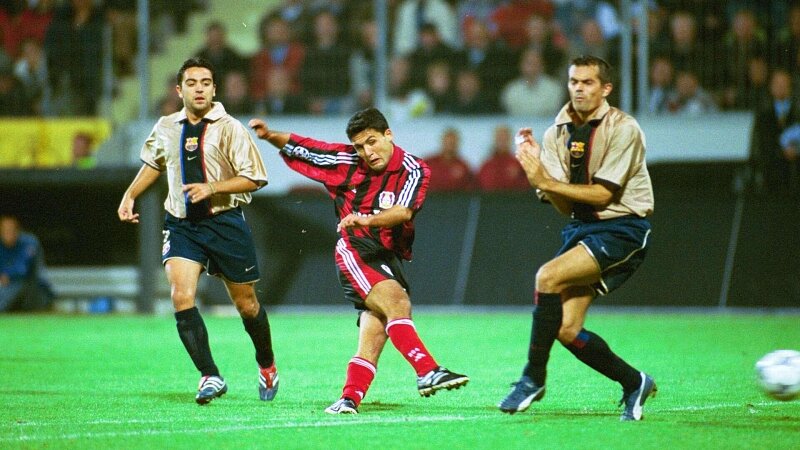
September gets off to a disastrous start, though not for the Werkself: the German national team, featuring Bayer 04 players Jens Nowotny, Michael Ballack and Oliver Neuville, suffer a 5-1 thrashing at the hands of England in a World Cup qualifier at the Olympic Stadium in Munich. Jens Nowotny, in particular, came in for sharp criticism. With this defeat, Germany’s direct qualification is now hanging in the balance.
Show more