Yes, I'd like to see videos dispalyed.
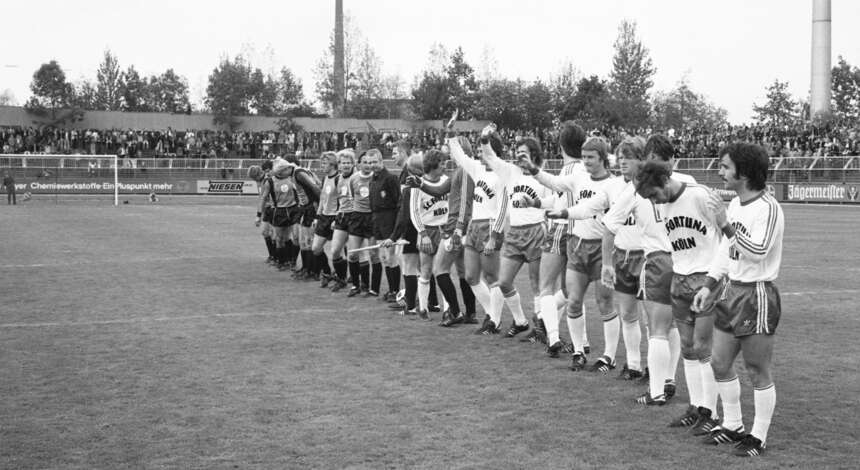
In the 1970s, Daum played as a midfielder for Hamborn 07, Eintracht Duisburg and the FC Köln reserve team. At the same time, he prepared himself single-mindedly for his coaching career: He studied sports science, completed the DFB training courses and finally obtained his coaching badge - the basis for his path into professional football. He remained largely unknown as a player, but his time in Cologne opened doors for him that would have a decisive influence on his future.
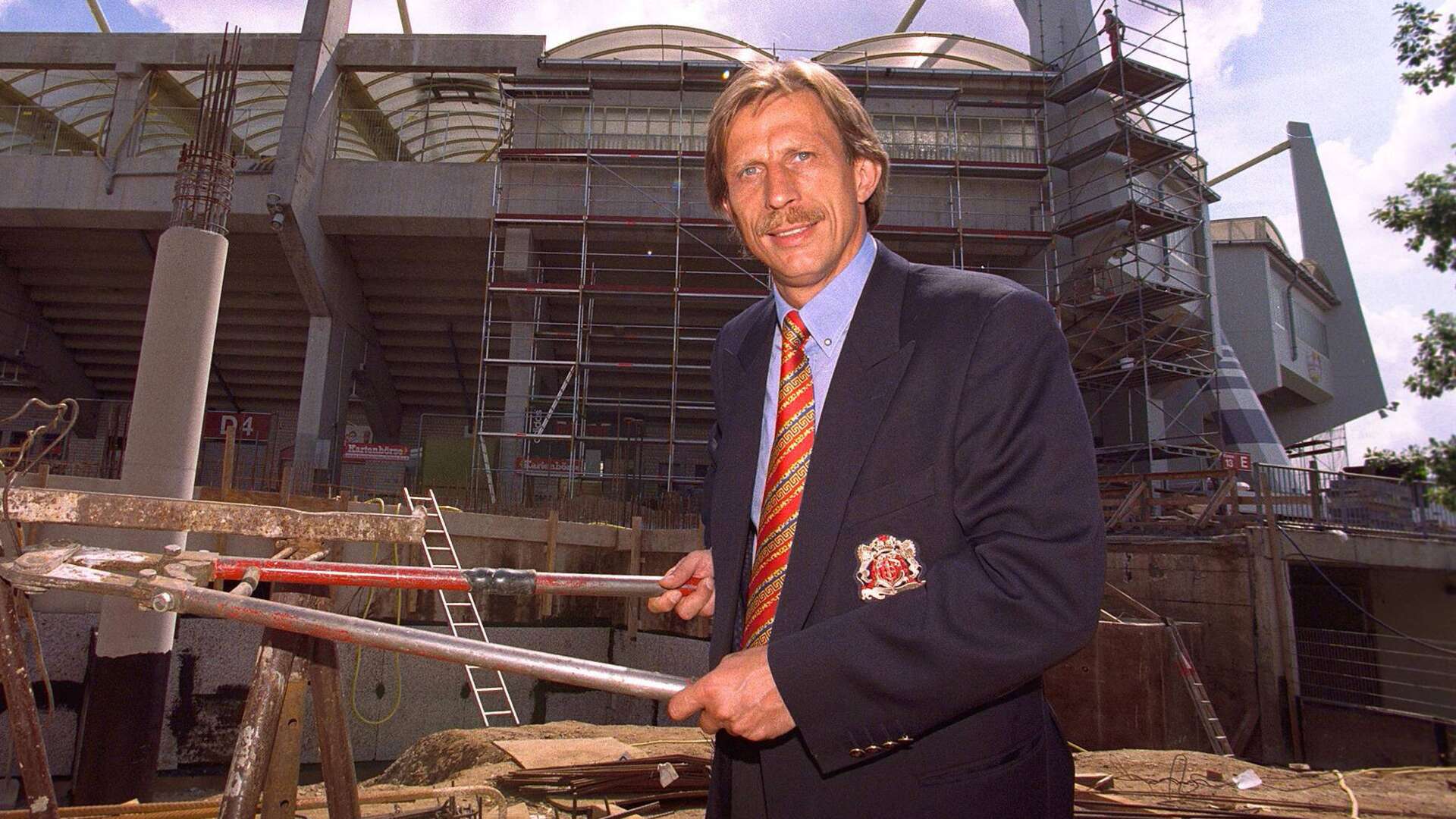
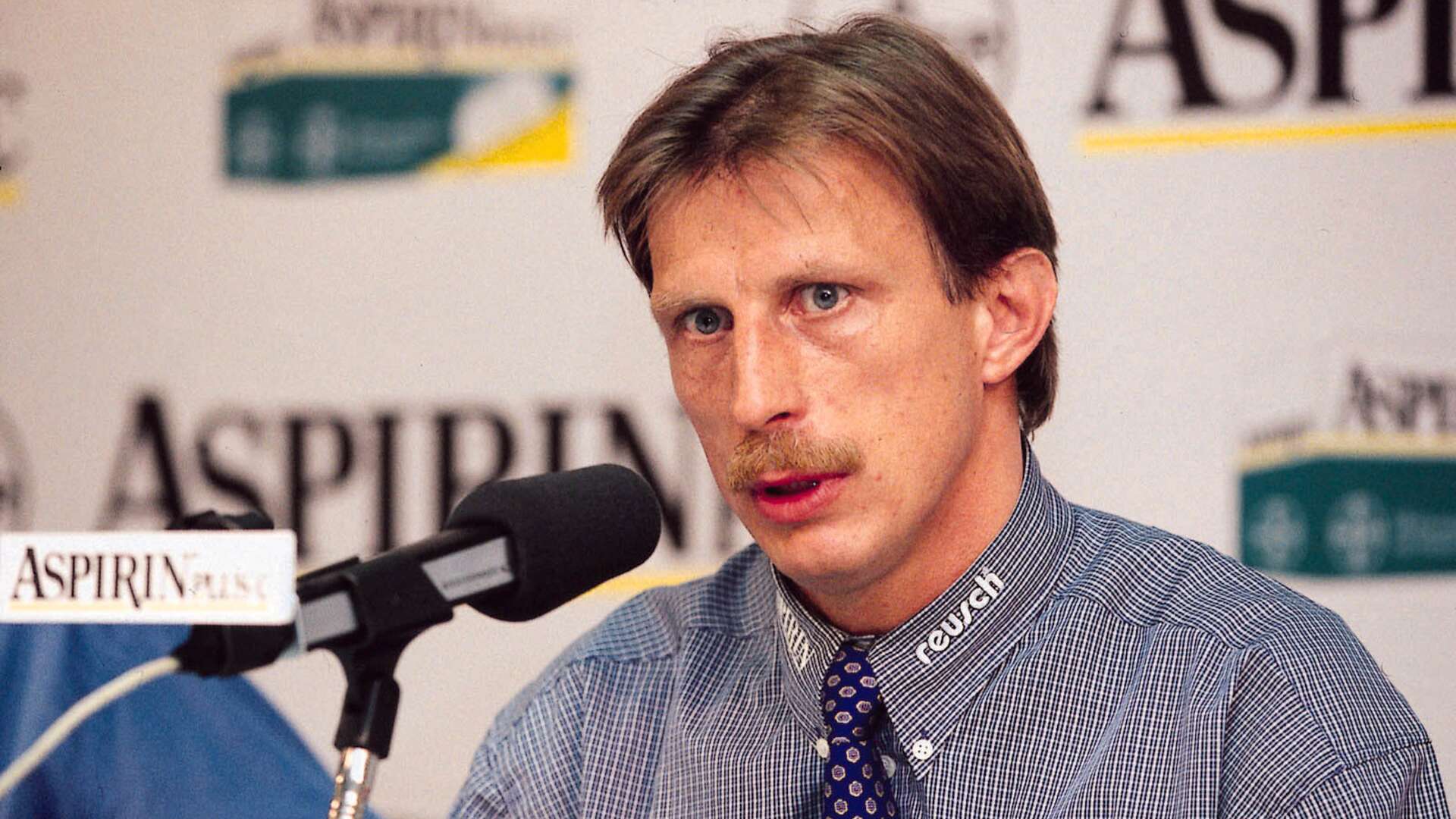
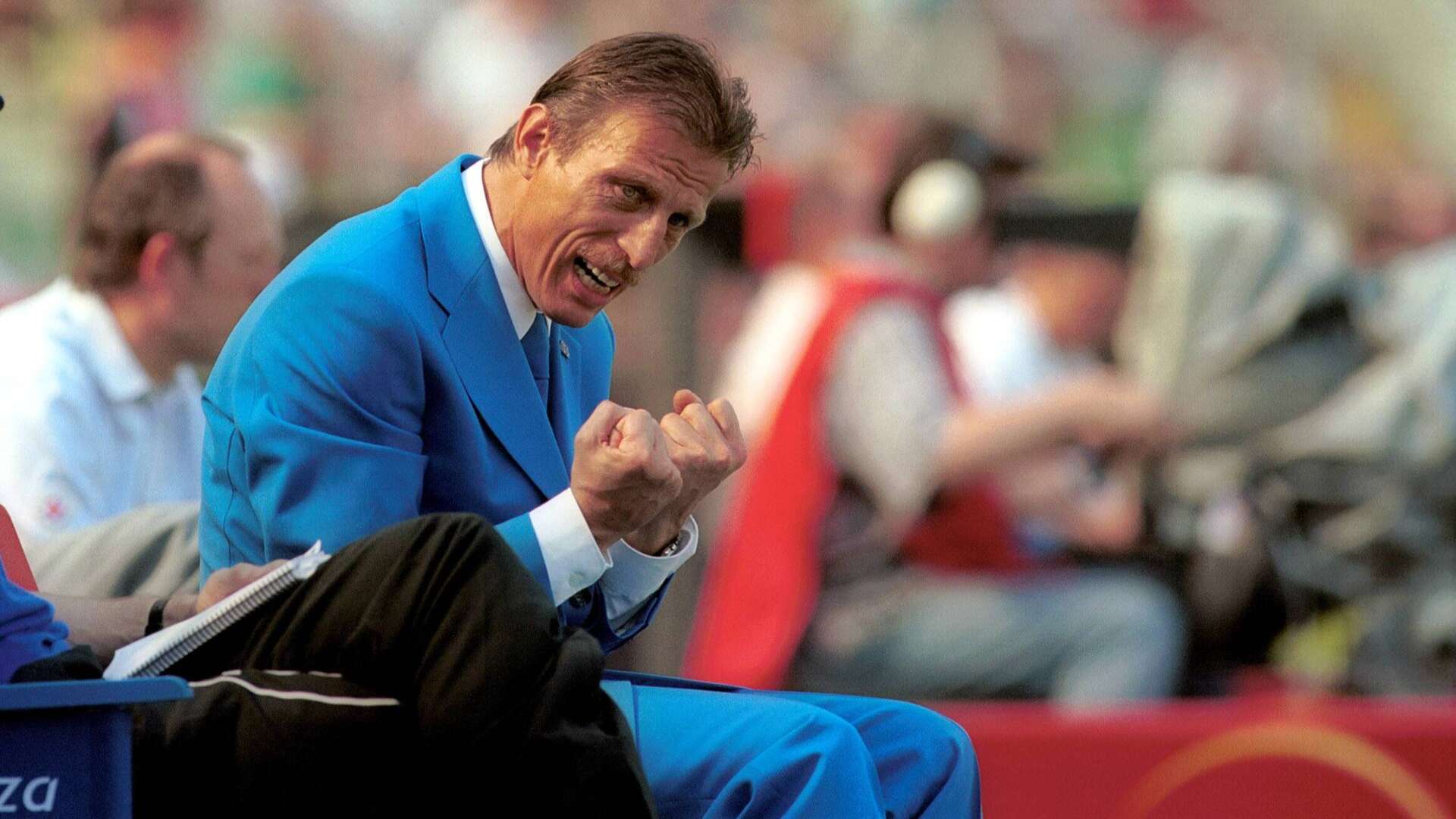
In 1981, Daum started as a youth coach at FC Köln. In the 1985/1986 season, he was promoted to assistant coach of the first team and in September 1986, after a crushing 4-1 home defeat against Bayer 04, he became the youngest Bundesliga coach to take over as head coach. His start was spectacular: He possessed a spirited demeanour, communicated in a modern way and relied on innovative training methods. Under his leadership, FC Köln finished runners-up in 1989 and 1990. Daum established himself as one of Germany's greatest coaching talents.
In 1990, he moved to VfB Stuttgart and lifted his first major trophy there. In 1992, he led the club to the German league title with attacking, dominant football. His reputation as a visionary was cemented, but his time in Stuttgart came to an end after differences over the future direction of the club. From 1994 to 1996, Daum coached the Turkish capital city club Besiktas and they were champions in his very first season. In 1996, Bayer 04 manager Reiner Calmund brings him to Leverkusen.
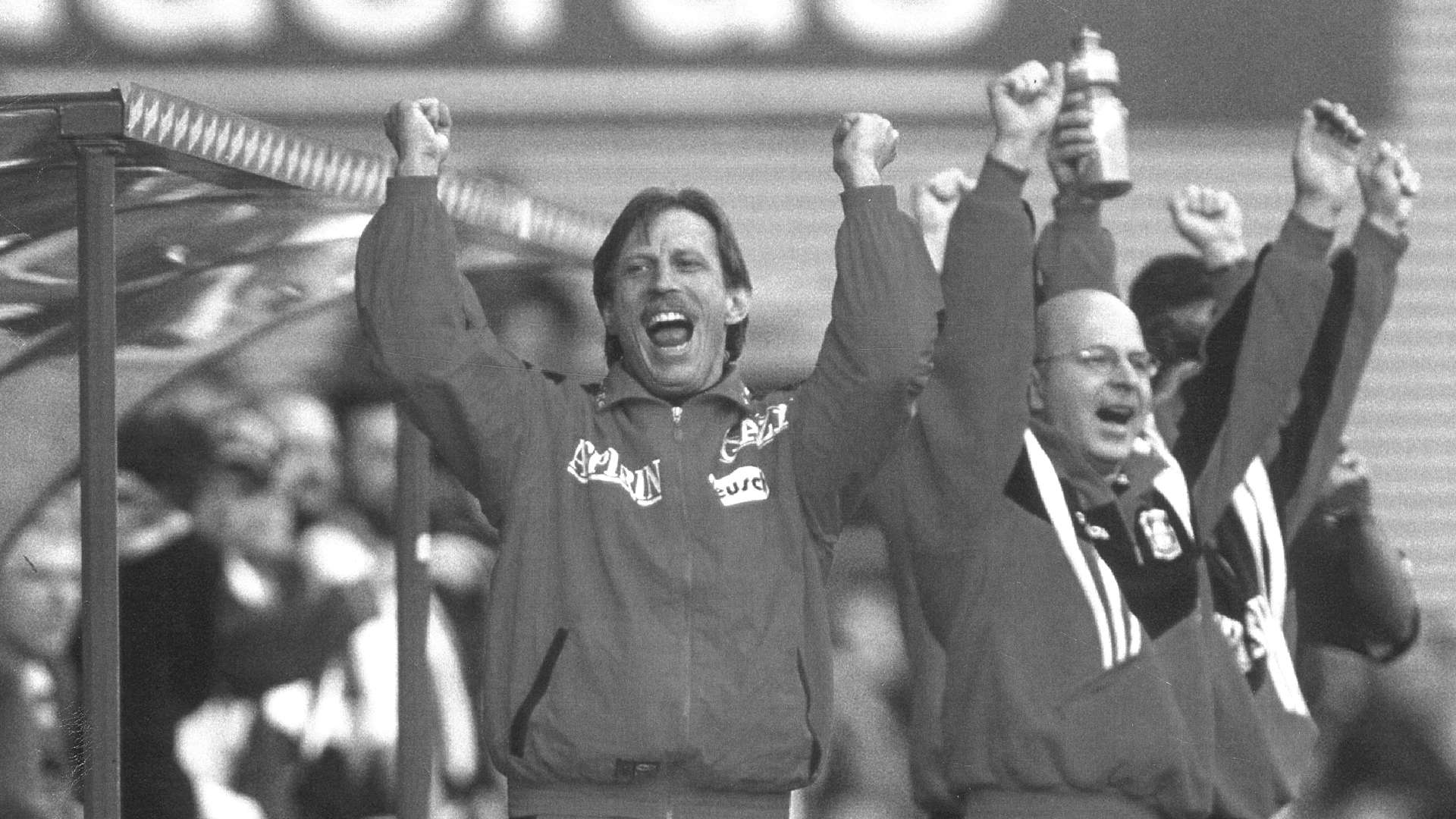
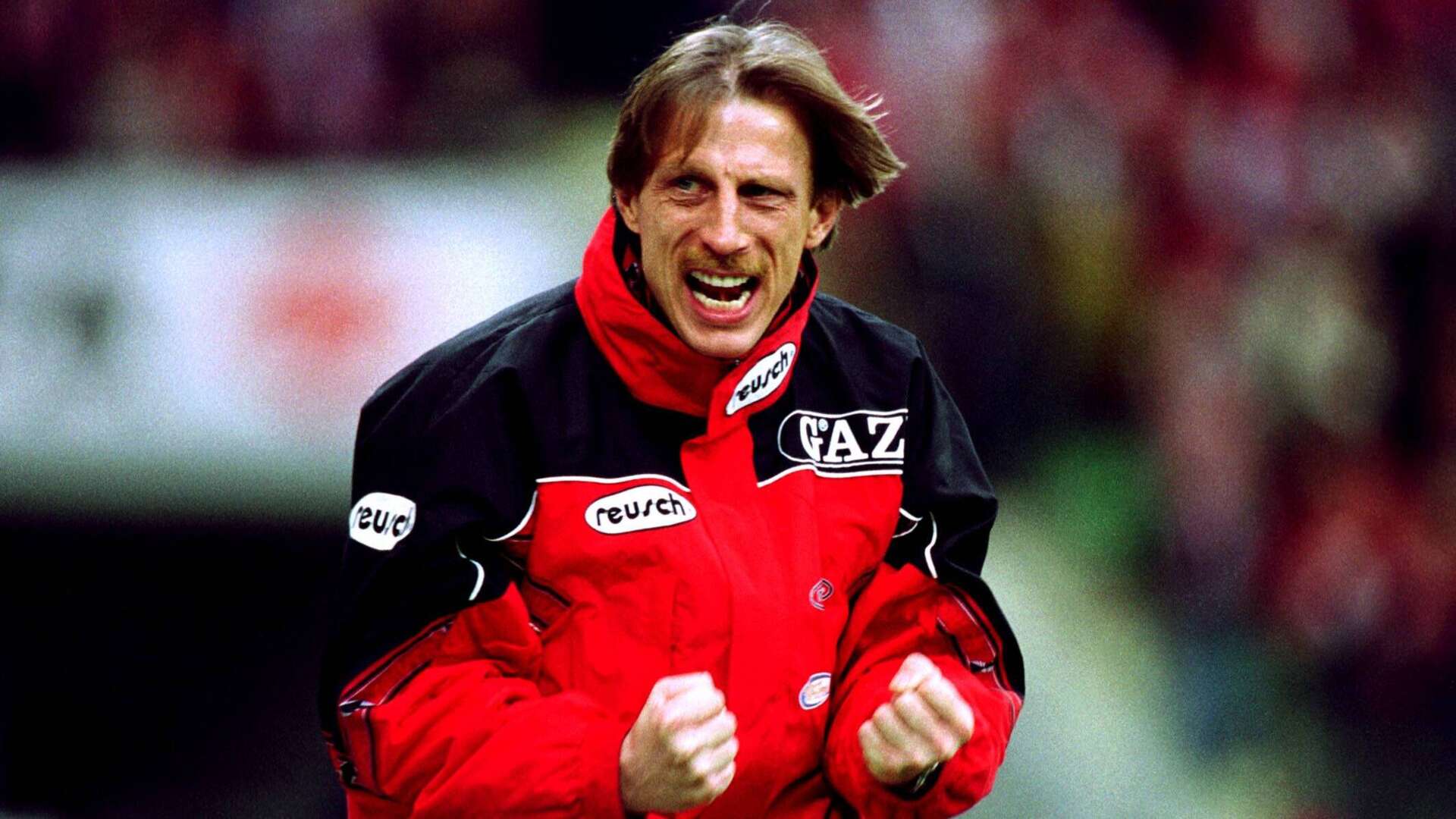
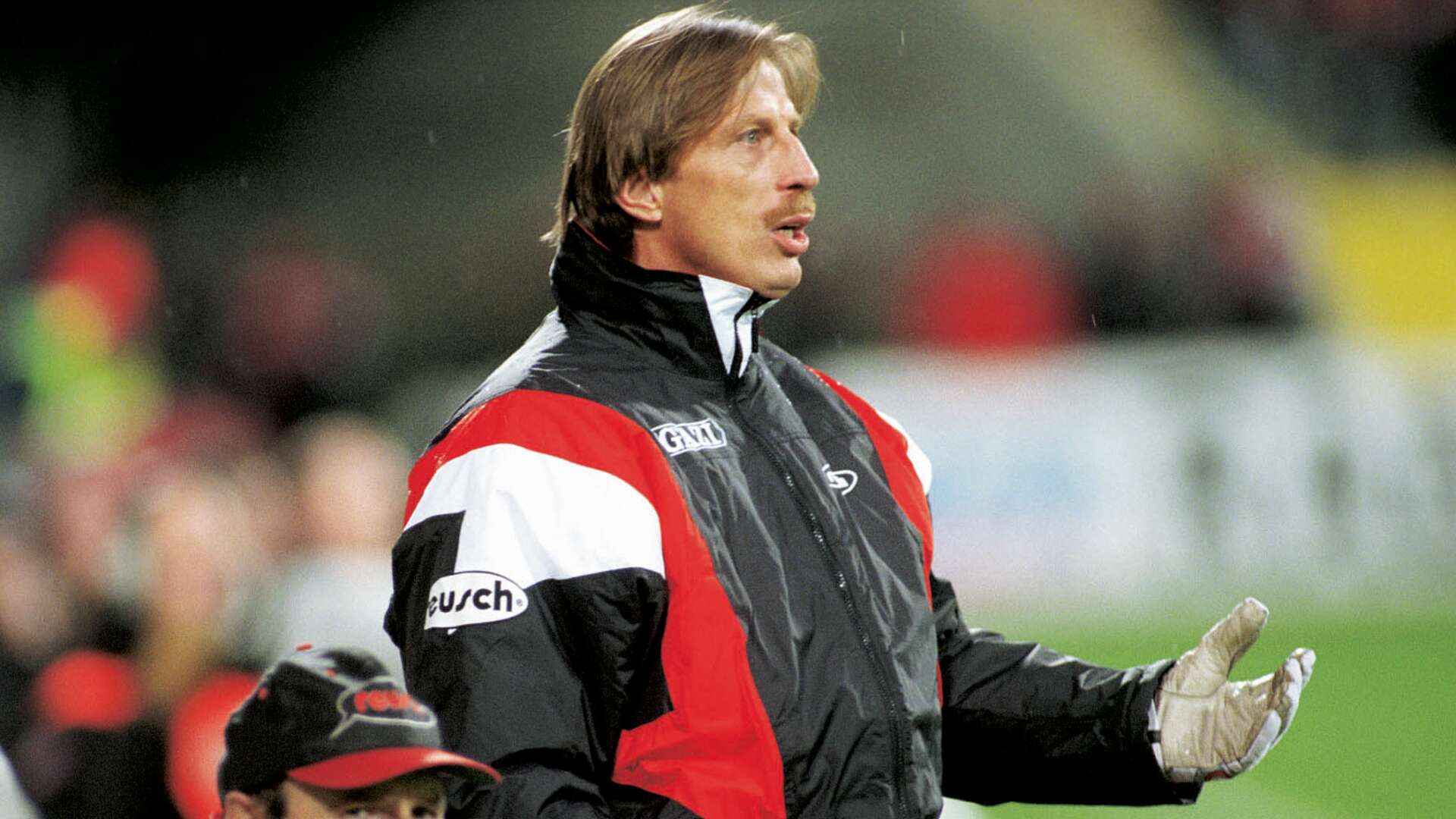
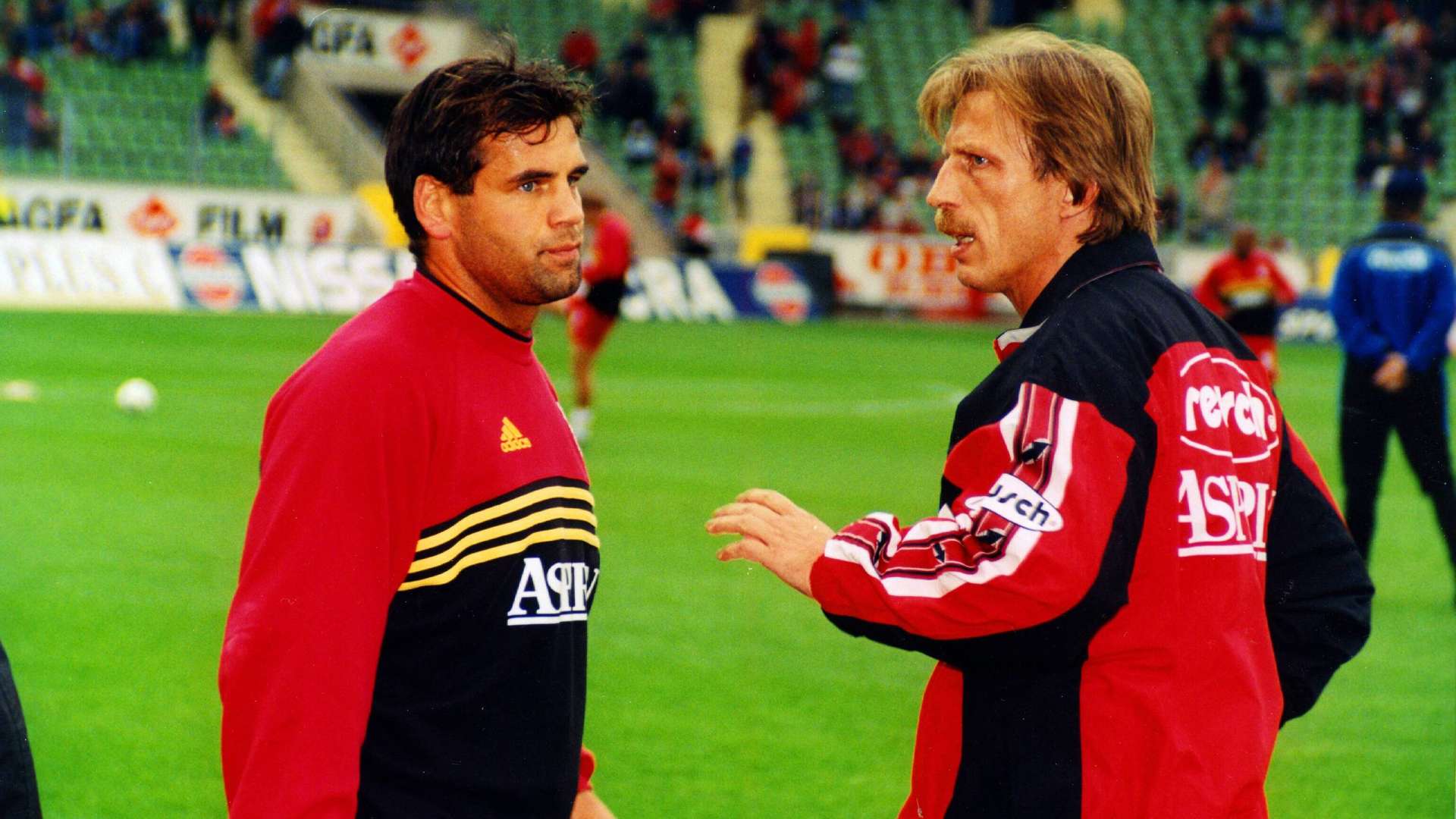
Although the Werkself had already won the UEFA Cup in 1988 and the DFB Pokal in 1993, and later had world stars such as Bernd Schuster and Rudi Völler playing in the team, Bayer 04 had not yet managed to compete for the Bundesliga title. After the dramatically poor 1995/96 season, where the club only managed to avoid relegation on the final matchday of the season, Christoph Daum started an era that thrilled the fans for six years. He was in the dugout for the first four of these. Daum instilled a new spirit in the team: Courage, movement, counter-pressing, constant activity, team spirit. His training sessions were tough but focussed, always geared towards the next opponent. Young players grew into personalities under his guidance, and Bayer 04 becomes a magnet for talent - because Daum created an atmosphere where everyone senses we can achieve something.
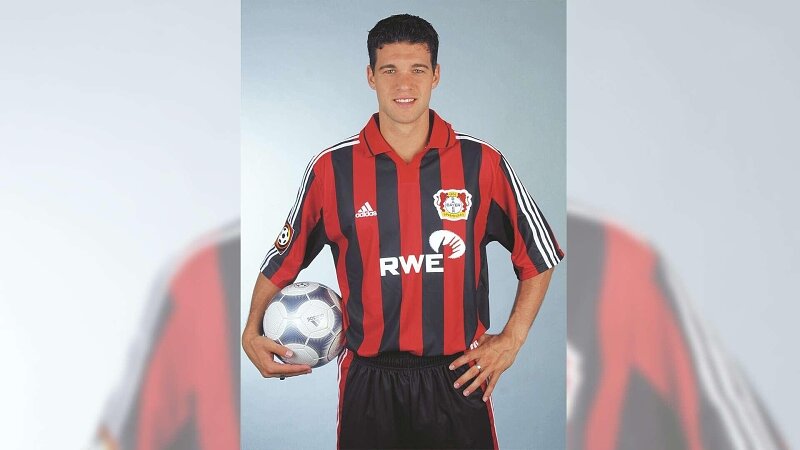
At the end of the 1990s, his team delivered football that remains unforgotten today: quick transitions, attacking wing play, elegance paired with explosiveness. Michael Ballack took his first steps towards world stardom under him, Jens Nowotny grew as captain, Zé Roberto, Emerson and Ulf Kirsten really blossomed. Together with his assistant coach Roland Koch, Daum forms a team that thrilled the BayArena crowd. He finished runner-up three times with Bayer 04. The championship trophy eluded him - but he created something rare and valuable: identity. Many see this period as the origin of the later "Vizekusen" image, especially after the drama of Unterhaching 2000. Others are convinced that Bayer 04 would never have become the modern top club it is today without Daum's foundation.


One thing is clear to me: He kissed this club awake. He taught us the desire, the longing for a trophy. And his four years as coach laid the foundations for the fantastic 2001/2002 season. If you talk to players from that time, they often describe those years as the best of their careers. Even for me, they remain the best years under the Bayer Cross, even though I wasn’t the number 1 under him. It was a pleasure to go to training, to work and to watch the team put his ideas into action at the weekend.
Im Sommer 2000 planen DFB-Verantwortliche, ihn zum Bundestrainer zu machen. Wenig später tauchen Kokainvorwürfe auf. Daum weist sie zunächst entschieden zurück, gibt dann jedoch eine Haarprobe ab – und diese fällt positiv aus. Der Skandal führt zu seiner Entlassung in Leverkusen. Daums Absturz zählt zu den spektakulärsten der deutschen Fußballgeschichte und trifft besonders jene, die ihn unter dem Bayer-Kreuz verehren. Die Mannschaft steht kurz vor ihrem sportlichen Höhe
In the summer of 2000, DFB officials plan to make him the national coach. A short time later, allegations of cocaine use emerge. Daum initially firmly rejects them, but then gives a hair sample - which turns out positive. The scandal led to his dismissal in Leverkusen. Daum's fall from grace was one of the most spectacular in German football history and particularly affected those who worshipped him under the Bayer Cross. The team was on the brink of its sporting peak, the national team awaited him - and then came the long drop. Although he leaves the stage abruptly, the connection to Bayer 04 remains tangible - it is not destroyed, just damaged.
Daum remains a fighter. In 2001, he made a fresh start in Turkey, securing the Turkish league title with Besiktas, moves on to Austria Vienna and later wins two more championship titles with Fenerbahçe. His emotionality and enthusiasm made him a cult figure there. He coached FC Köln again for three years from 2006 to 2009, before returning to Fenerbahçe and continuing his successful work.
After his return to Germany, Daum briefly took over Eintracht Frankfurt, but was unable to prevent the club from being relegated. This was followed by spells at Club Brugge, Bursaspor and finally as coach of the Romania national team - his last major job.
In retirement, Daum publishes his autobiography "Immer am Limit", in which he talks openly about success, crashes, family and mistakes. In 2022, he makes his lung cancer public. He battled bravely against it for two years and appeared determined and reflective in interviews and documentaries - vulnerable but with a strong character, just as we know him.
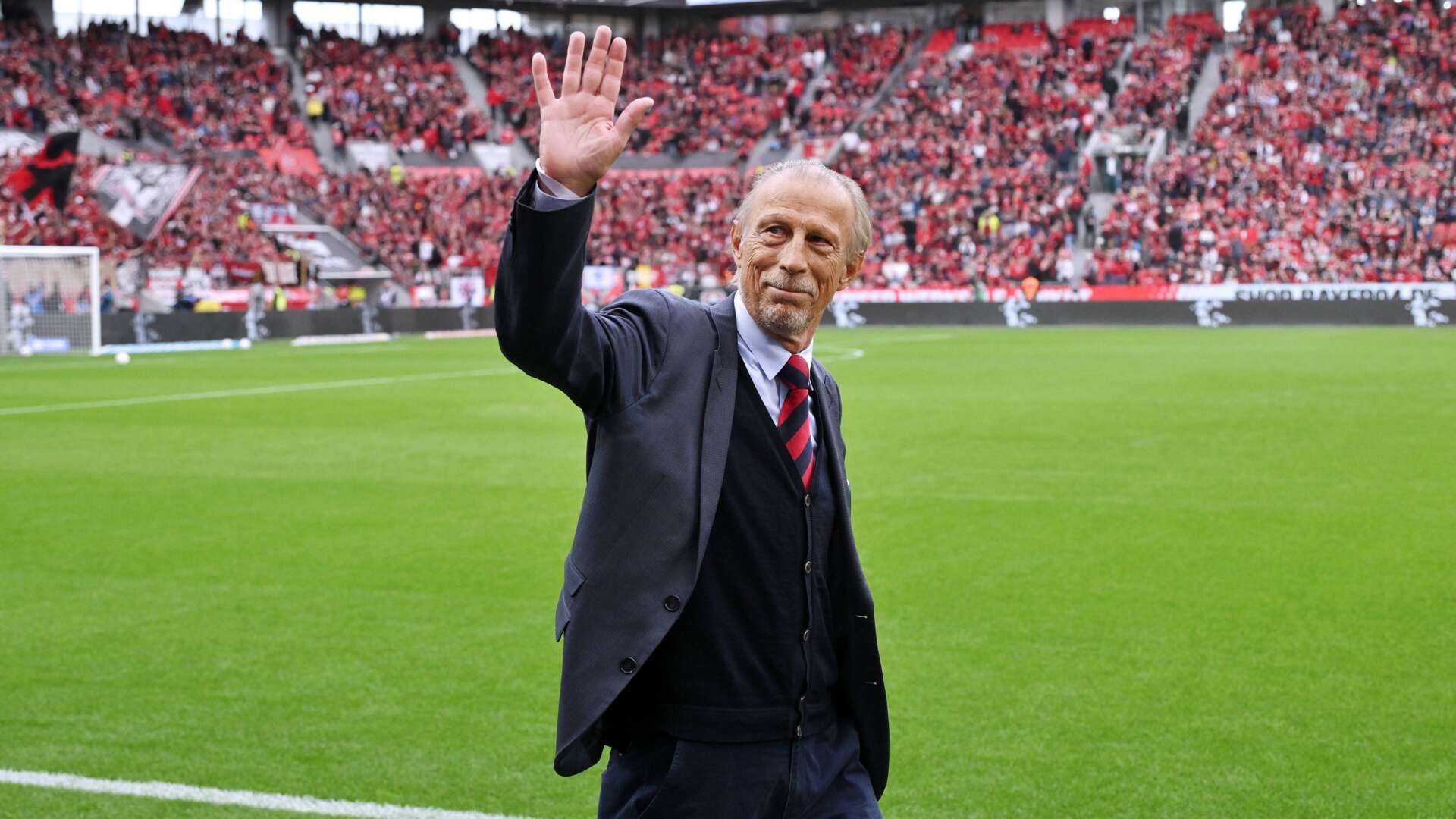
Christoph Daum passed away in Cologne on 24 August 2024 at the age of 70. He will be remembered as someone who polarised, but never bored. A coach who moulded players, shaped teams and created something in Leverkusen that cannot be measured: a feeling, a new beginning, an identity.
Jacek Krzynowek was born on 15 May 1976 in Kamiensk, Poland, and grew up as a typical country boy. He spent his childhood less in structured training sessions and more on simple pitches, where he spent hours playing football with older boys. He realised early on that he had exceptional shooting power and enormous stamina. But for a long time, he didn't appreciate just how much talent he had. While others dream of a great career, professional football initially seems like a distant world to him that he only knows from television.
Show more
Carsten ‘Calle’ Ramelow was born in Berlin on 20 March 1974. He began his football career in the youth teams at Tasmania 73, Tennis Borussia, SC Siemensstadt and, last but not least, Hertha Berlin. It was here that he reached the DFB Pokal final in 1993 with the Hertha Bubis team, the amateur team at Hertha Berlin, against his future employer Bayer 04 Leverkusen. But even he was unable to prevent the Werkself's 1-0 victory thanks to a goal from Ulf Kirsten.
Show more
The 1995/1996 season brought some innovations. For the first time, each player was given a squad number with his name printed on the back of the jersey. For the first time, coaches were allowed to make three substitutions and for the first time, three points are awarded for a win. And for the first time, I am no longer my team's number 1. I wear it on my back, but Dirk Heinen has taken over me in goal. So at first I sat on the bench a bit offended, but in the Rückrunde I realised I also had to make my contribution to the success of a team.
Show more
In this video you can see impressive and important goals in the history of Bayer 04 from the month of May. It's not always about the beauty of the goals, but also a reminder of special games and players.
Show more
Bayer 04 Leverkusen, promoted to the Oberliga West, welcome VfL 99 Köln for the last game of a successful season. This time, the crowd of just 2,000 spectators saw more of a friendly than a championship match. Little fight, little goalmouth action and few moves in midfield to warm the hearts of the spectators. It takes a corner to give Bayer 04 the lead. Peter Röger is on hand with his head and nods home on 43 minutes for the half-time lead. When Karl-Heinz Spikofski increased the lead to 2-0 a quarter of an hour after the restart, the result was settled. The team from Cologne were able to reduce the deficit to 2-1 in the final minute, but in the end the spectators went home looking forward to the first season for a Bayer 04 team in Oberliga West 1.
Show more