Yes, I'd like to see videos dispalyed.
He started playing club football at the age of four at Eintracht Bamberg before moving on to FC Nürnberg in 2001. There he quickly made a name for himself as a prolific, strong striker with great commitment. In Nuremberg, he developed into one of the most promising young forwards in Germany.
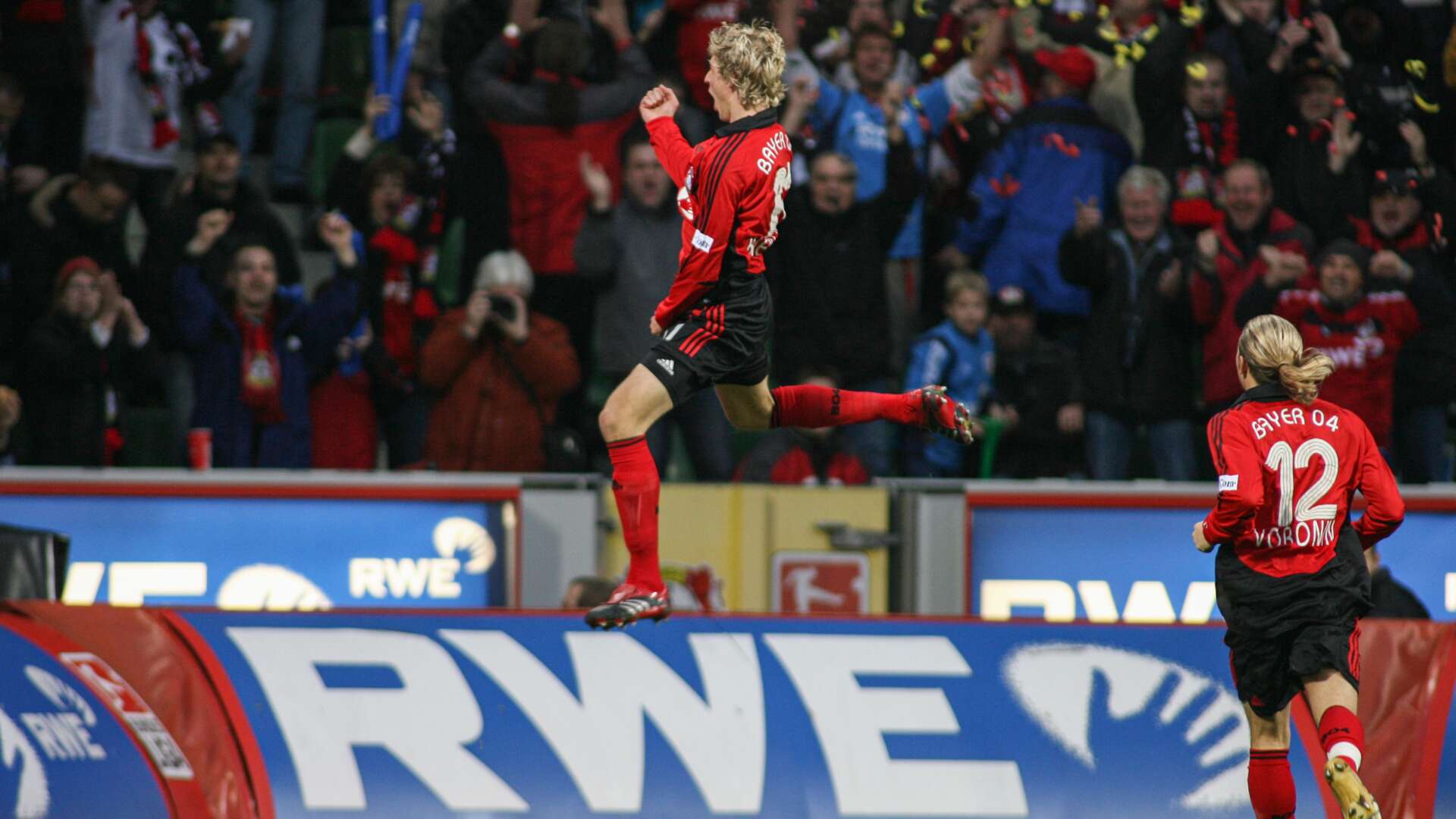
In 2006, he made the move to Bayer 04 - to the club that would become his home from then on. Stefan arrives as a young, ambitious player who is set to play up front alongside the elegant Dimitar Berbatov. It was a difficult start and expectations were high. After Berbatov's move to Tottenham Hotspur, enormous responsibility suddenly rests on his shoulders. Critics mocked him as the "most expensive sausage from Nuremberg". But ‘Kies’, as he is known to his team-mates and fans, is undeterred. He trains harder than ever before, fights for every ball and works his way through every crisis. He has come to stay - and that is exactly what he does.
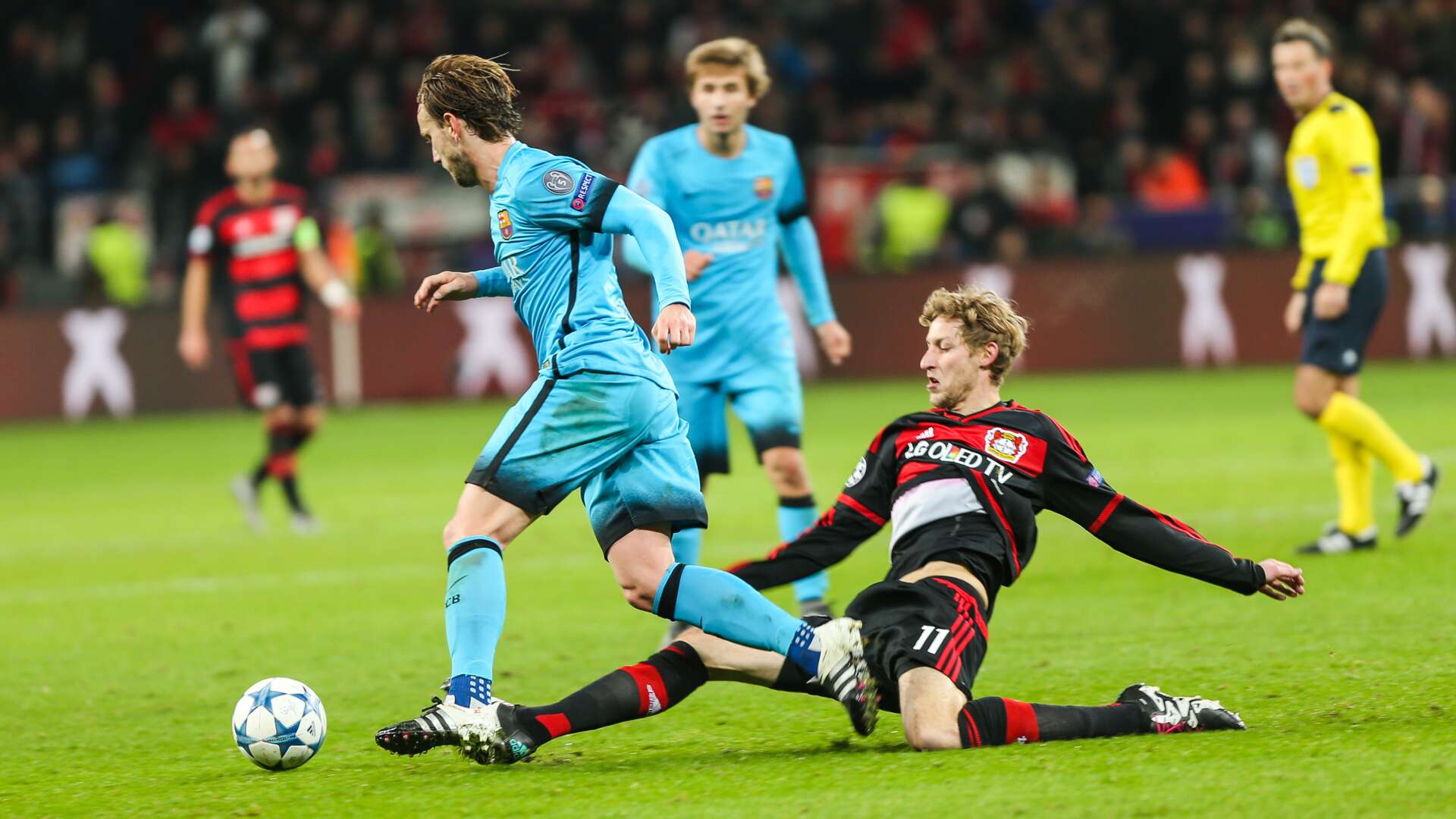
Over the years, he becomes the face of Bayer 04 Leverkusen. He wore the Werkself jersey for twelve years, played 344 Bundesliga games for the Black and Reds scoring 131 goals. This makes him the Bayer 04 player with the second highest number of goals in the Bundesliga behind Ulf Kirsten. Including his games for FC Nürnberg, he made 403 appearances in Germany's top flight - an impressive record. He played a total of 443 games for the Werkself and put the ball in the back of the opposition net 162 times. The highlights of his time under the Bayer Cross are the 2009 DFB Pokal final, which unfortunately ended in a 1-0 defeat against Werder Bremen, and being a runner-up in the Bundesliga 2011.
In his twelve years at Bayer 04, Kies has also impressed with his team spirit, discipline and loyalty. He didn't play for glory, but for the team. Coaches and team-mates praised him as an absolute team player, as a striker who not only scores, but also works - both up front and in defence. Former Bayer 04 coach Jupp Heynckes called him "one of the most hard-working and team-minded players" he has ever coached.
In the 2012/13 season, Stefan experienced his personal best: He became the Bundesliga's top scorer with 25 goals. In the final minute of the last Bundesliga match at Hamburg SV, he scored the decisive goal against his former team-mate René Adler. His team-mates and the Bayer 04 fans celebrated the goal like a title win. It is his well-deserved reward for years of consistency. But even at that moment, he doesn’t think about himself. He has a small duplicate of the top goalscorer trophy made for each team-mate and staff member and thanks everyone involved.
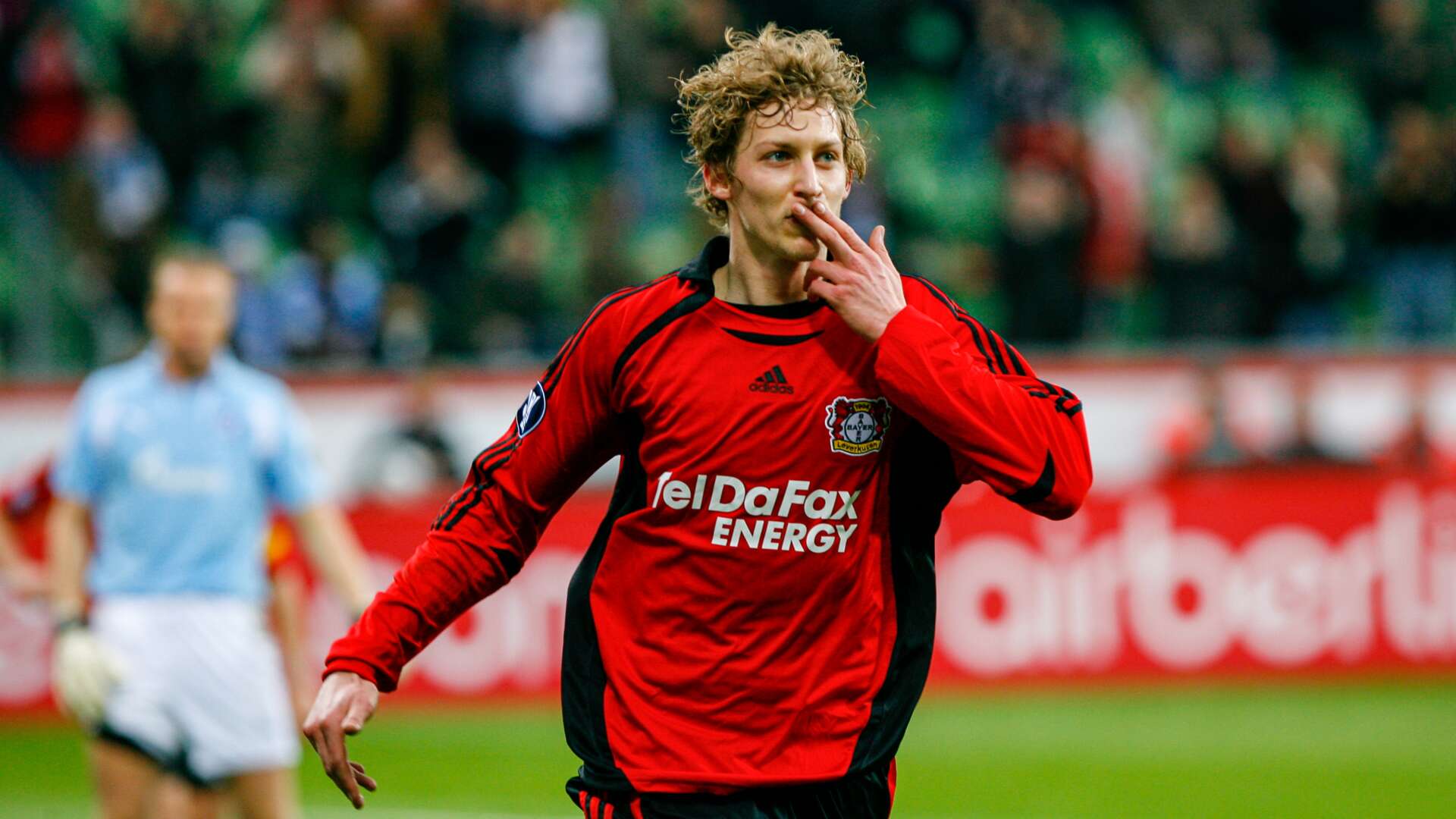

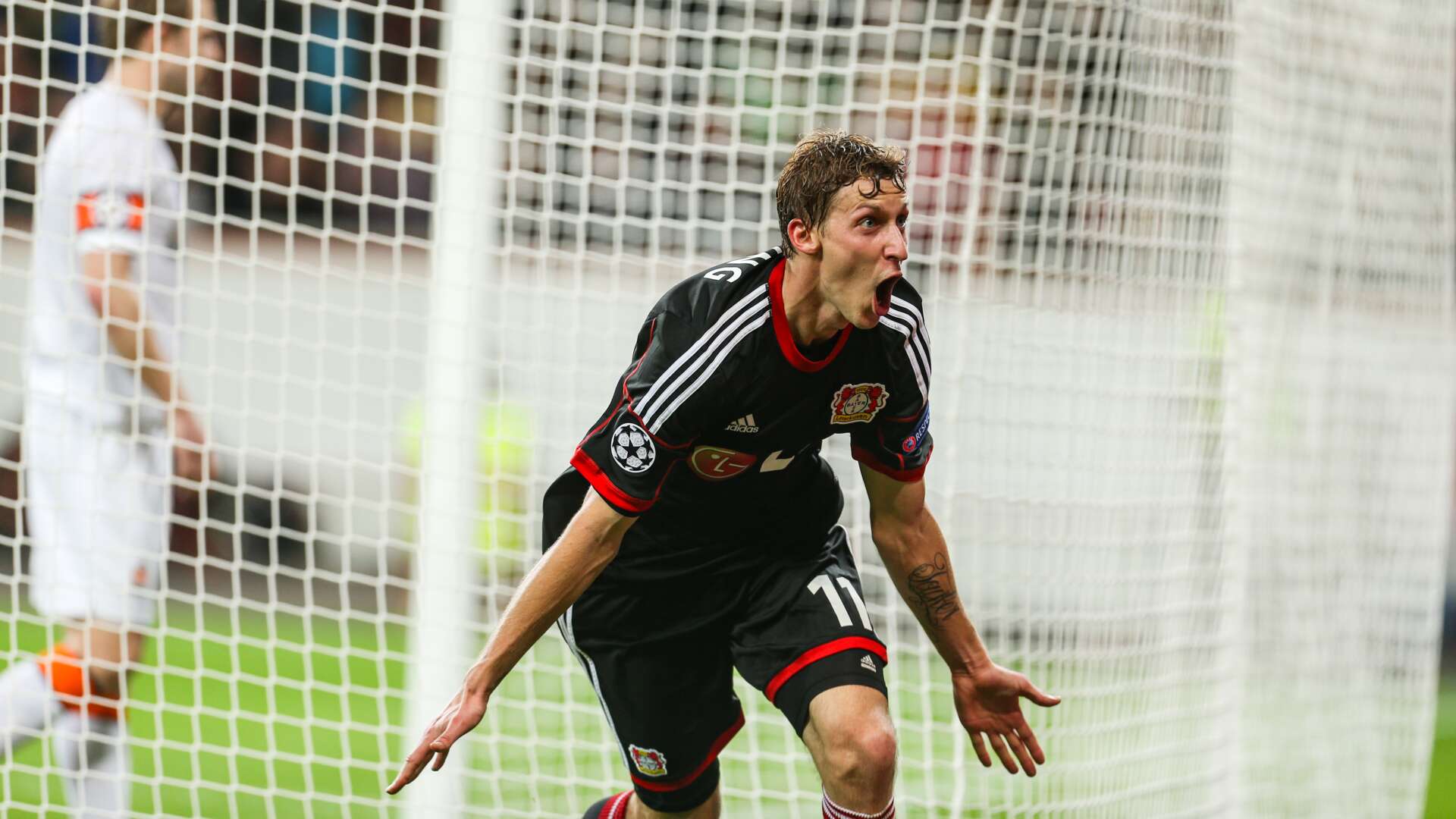
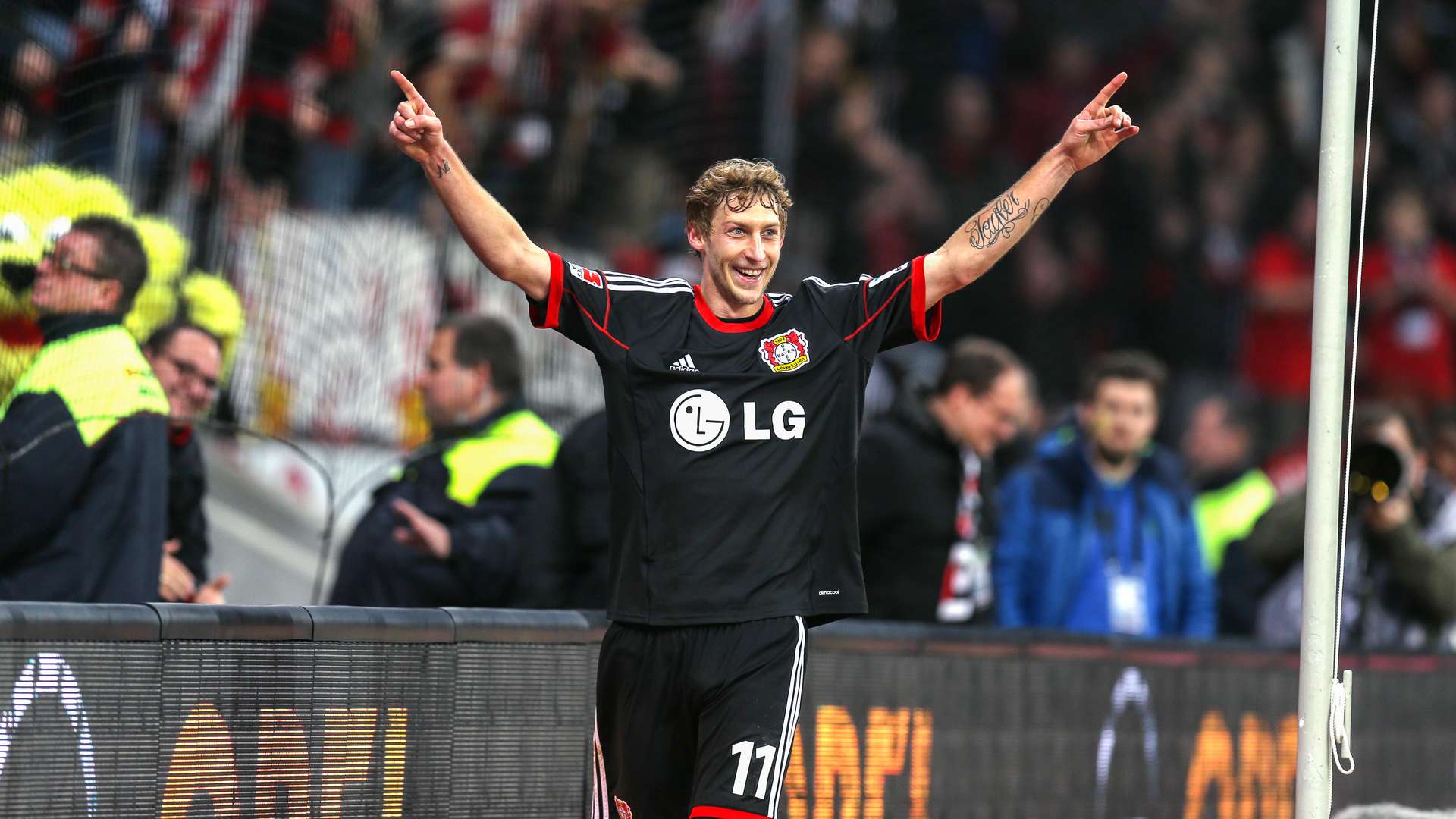
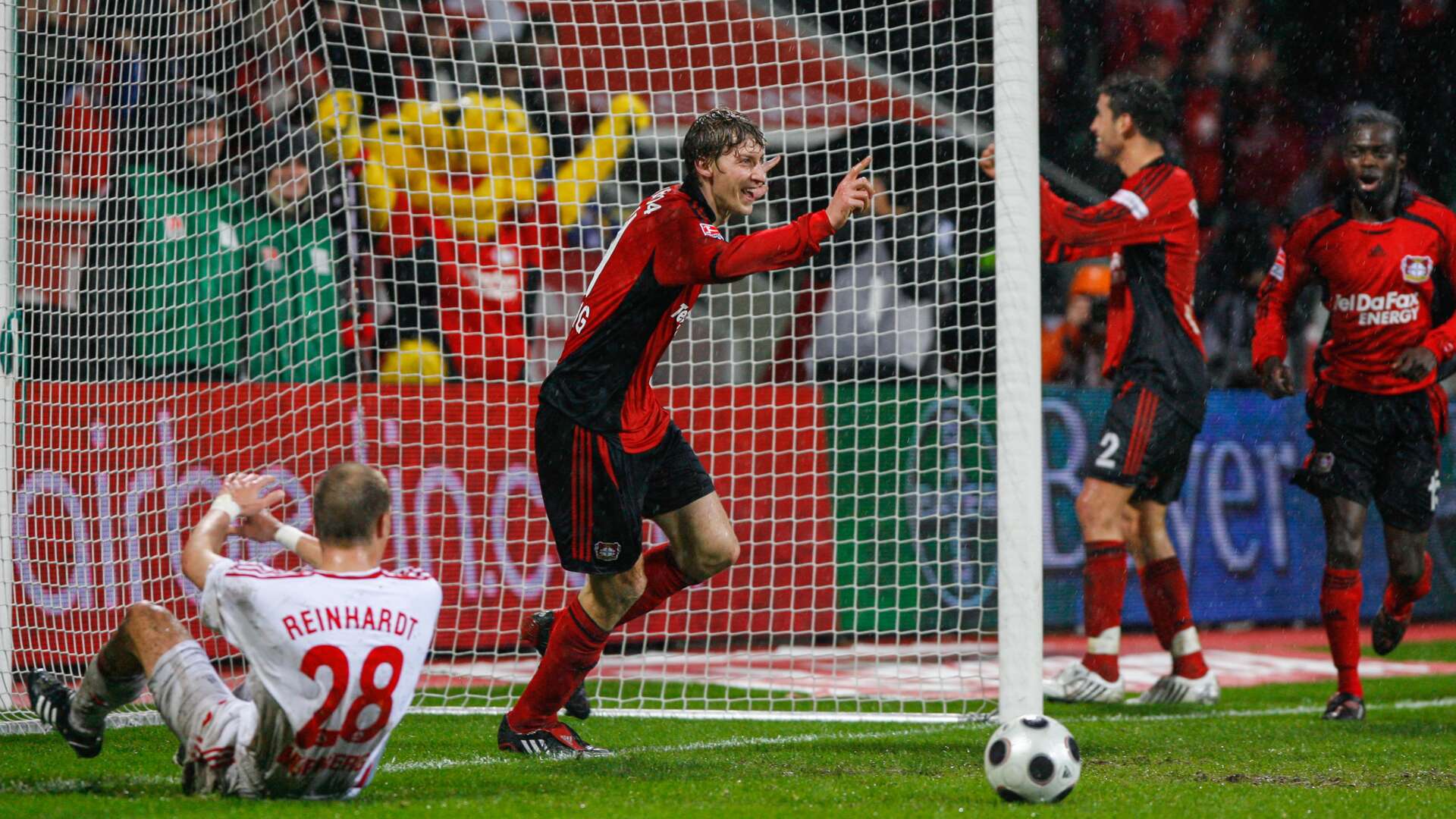
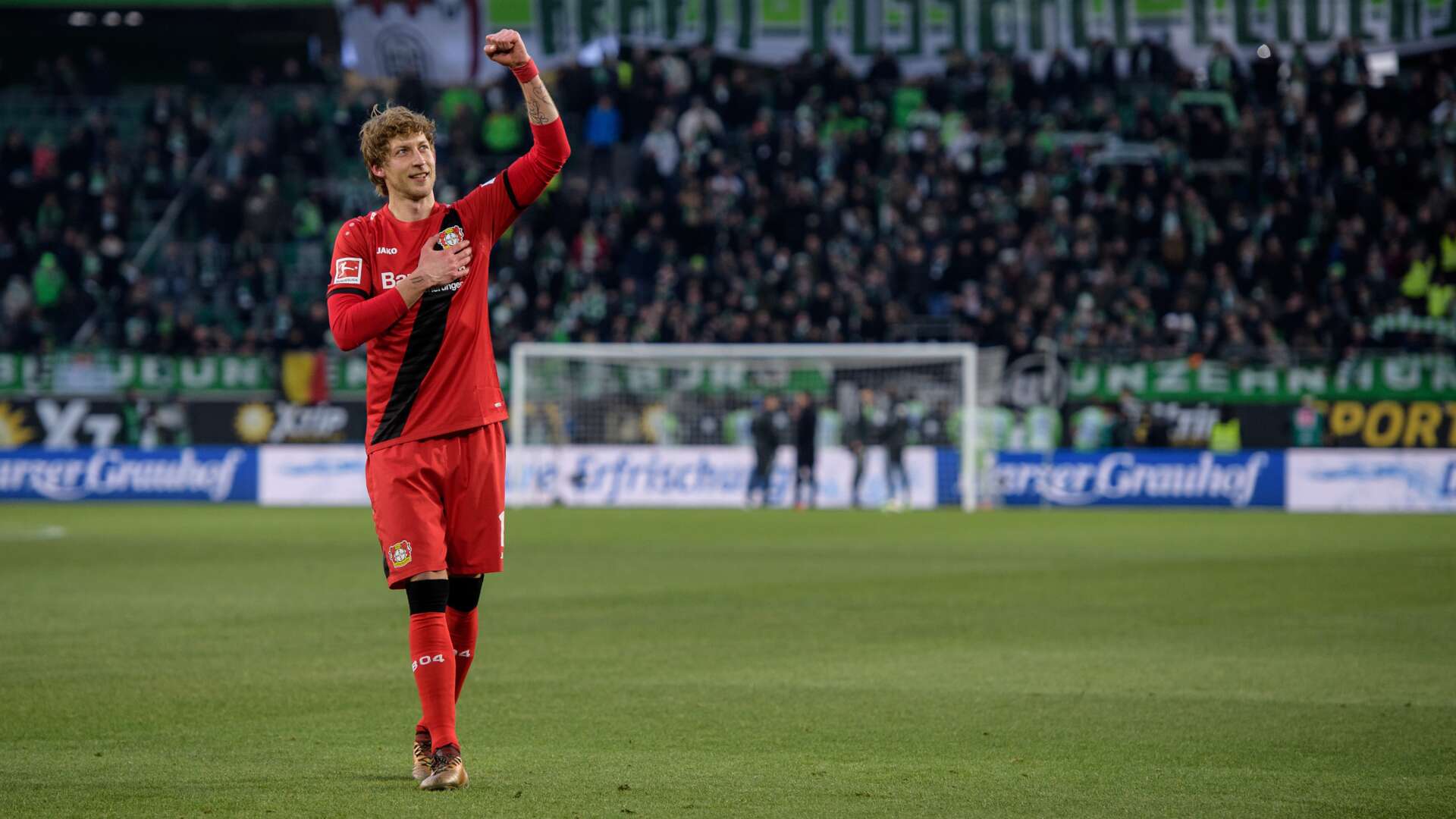
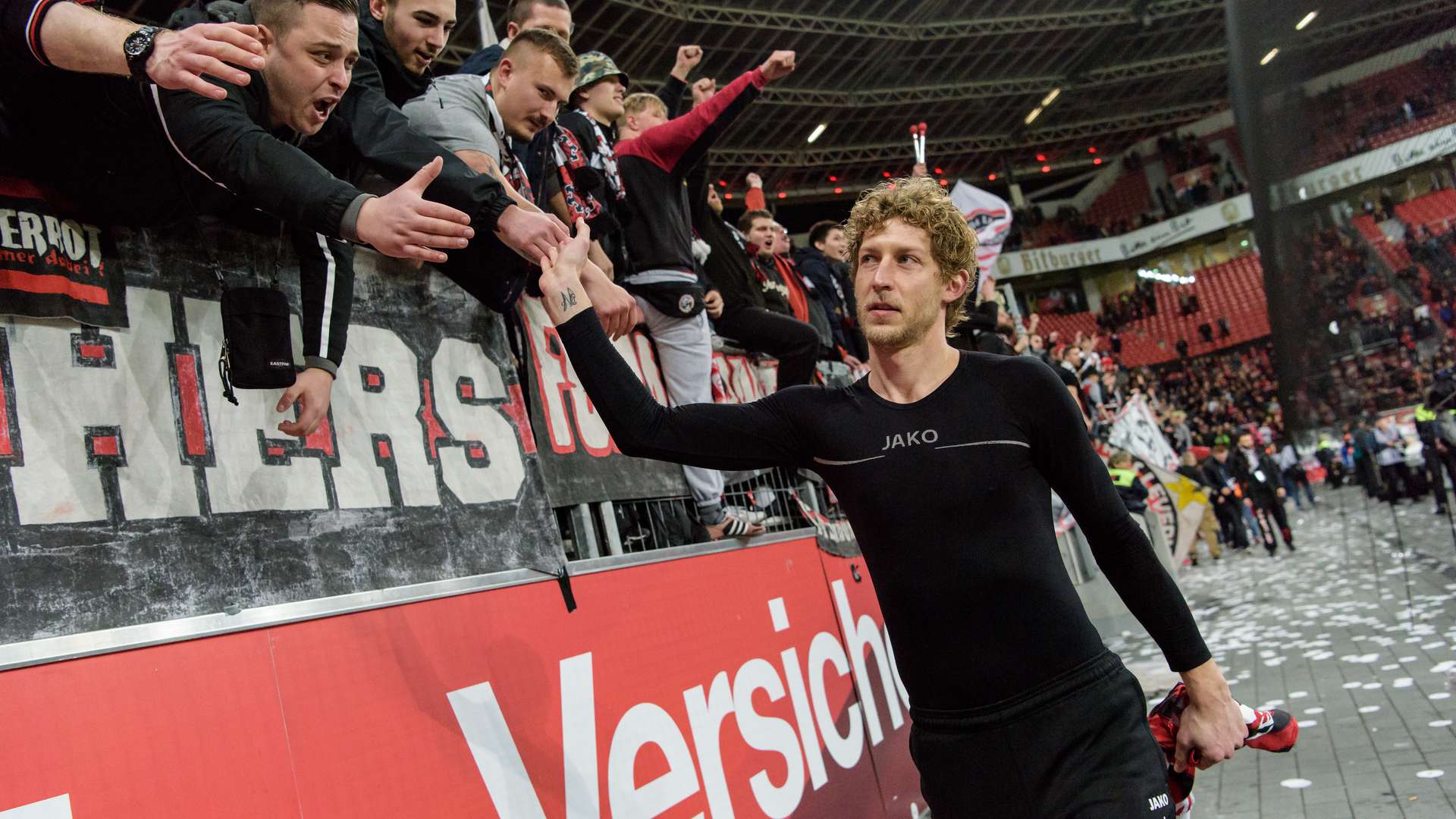
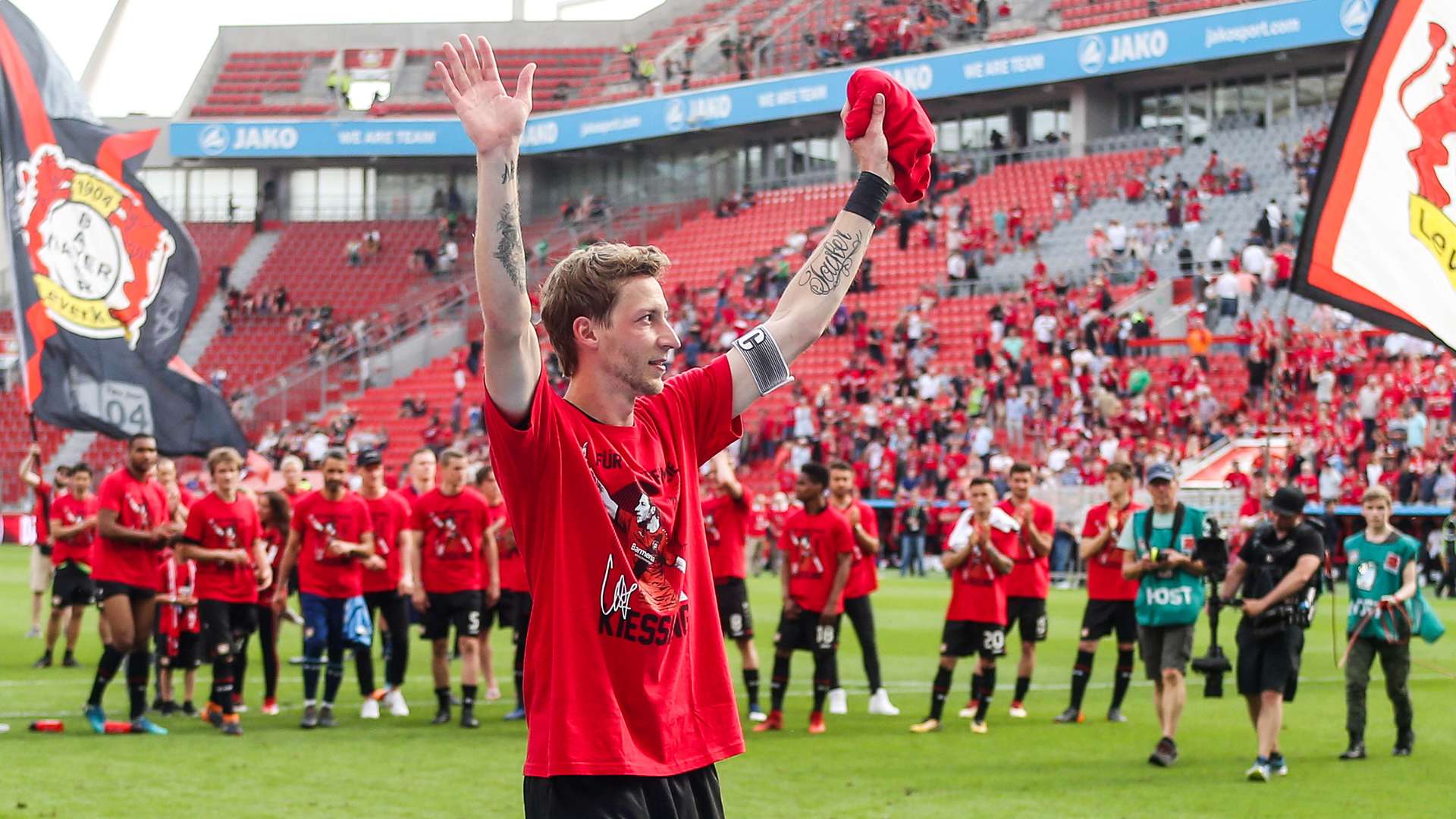
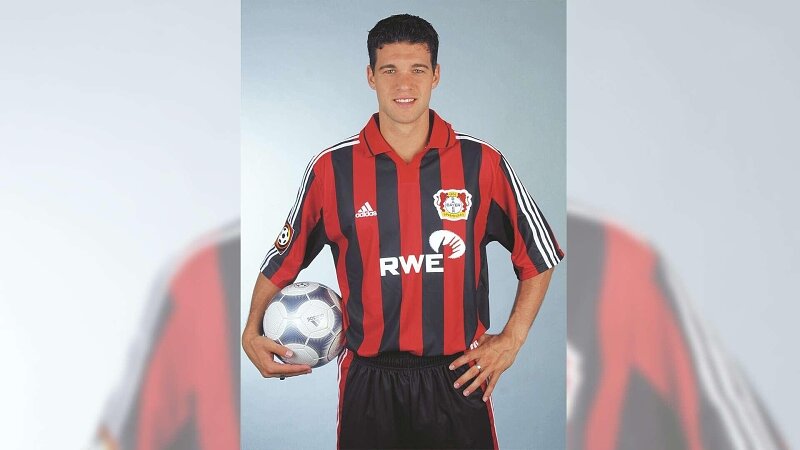
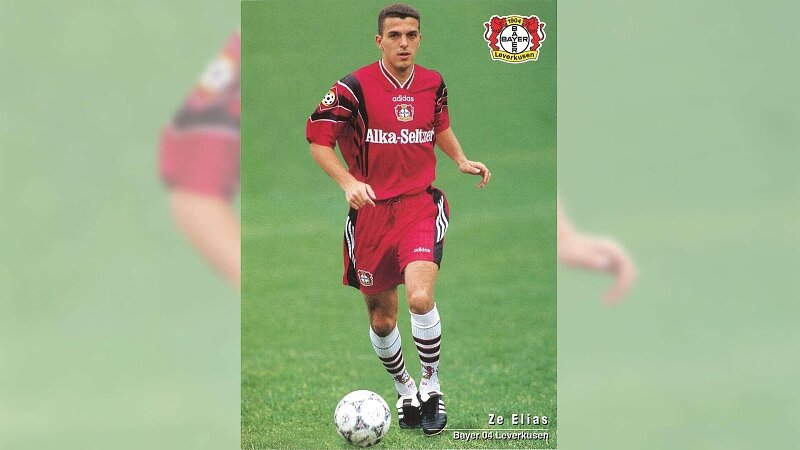
At the last Bundesliga match in December 2015, a 5-0 win with two Kies goals, Stefan bids a more intense farewell to the Bayer 04 home end than usual. The fans, who had become aware of what was not yet known but was already planned by Kies - a move to Hannover 96. Stunned, they chanted his name for several minutes, prompting sporting director Rudi Völler to announce a day later that Kies was not for sale.
Stefan had less luck with Germany. Between 2007 and 2010, he only made six appearances and scored two goals. Despite his consistent performances, he was denied a breakthrough in the Germany team. Although he went to the 2010 World Cup in South Africa and played just under 20 minutes in the match for third place, he felt more like a holidaymaker than part of the team. But he accepted that without moaning.
He has long been a legend in Leverkusen. The fans celebrate him as a ‘football god’, a symbol of club loyalty in a fast-moving world of football. Kies and the Bayer 04 fans - it's a special bond that has grown out of respect, being close and passion.
His playing career ends in May 2018. In his last match against Hannover 96, the entire BayArena bids him farewell with a huge choreography. It is an emotional moment, a farewell full of gratitude. But for Kießling, it is not a farewell to Bayer 04 - just a new beginning. In October 2018, he started as a management consultant at Bayer 04, supporting the management and acting as a link between the team, coaching team and club management. Today, years after his last game, Stefan is more than ever what you would call a club legend. In 2023, Bayer 04 appointed him as a club representative.
Today, Stefan Kießling lives in Düsseldorf with his wife Norina and his two children, enjoys playing golf when time permits and is also part of the Bayer 04 Veterans team.

Hans Sarpei was born on 28 June 1976 in Tema, Ghana, and came to Germany with his parents at the age of three, where he grew up in Cologne. Even before he was born, his mother and father worked in Hamburg in the import-export sector. There they met an older man who introduced them to German culture and supported them. Out of gratitude, Hans was later given his first name, although this man died before he was born. Hans comes from a sporting family; his older brother Edward and his nephews Hans Nunoo Sarpei and Kingsley Sarpei were or are also professional footballers.
Show more
On 3 June 1953, Hans-Josef (‘Sepp’) Kretschmann became the fifth coach in the history of Bayer 04 Leverkusen. Born in Allenstein, East Prussia, on 21 March 1902, the football coach first studied to become a teacher before later switching to football. He took over the Werkself from Franz Strehle, under whom the team twice managed to stay in the 1st Oberliga West. However, Strehle did not extend his contract in Leverkusen after these two very successful years.
Show more
After promotion to Bundesliga North 2 in the summer of 1975, Bayer 04 are fighting relegation just eight months later. The club expects full commitment from everyone in this precarious situation. Promotion coach Manfred Rummel is to give up his main job as a teacher at the Mülheim special school and become a full-time coach at Bayer 04. The coach, who is very popular with the team, does not see himself in a position to fulfil the club's request. Despite a 2-0 home win against SpVgg Erkenschwick, Manfred Rummel is put on gardening leave by "mutual agreement".
Show more
Bayer 04, already been promoted to the 1st Oberliga West, played friendly after friendly in the second half of May 1951. And that continued throughout the following month.
Show more
Jacek Krzynowek was born on 15 May 1976 in Kamiensk, Poland, and grew up as a typical country boy. He spent his childhood less in structured training sessions and more on simple pitches, where he spent hours playing football with older boys. He realised early on that he had exceptional shooting power and enormous stamina. But for a long time, he didn't appreciate just how much talent he had. While others dream of a great career, professional football initially seems like a distant world to him that he only knows from television.
Show more