Yes, I'd like to see videos dispalyed.
After the reunification of Germany in 1990, FC Karl-Marx-Stadt was renamed Chemnitzer FC and 'Balle', his nickname at Leverkusen later, made his debut for the Chemnitzer FC first team in 1995 in Bundesliga 2 and he played his first game for the Germany U21s in March 1996. The Chemnitz team were relegated in that season but Michael stayed and he was a regular first choice for his team in the 1996/97 campaign in the Regional League North East. When he came to the attention of FC Kaiserslautern, just promoted to the Bundesliga again, the decision to move to the Rhineland Palatinate was a very easy one.
He made 16 Bundesliga appearances in his first season but that only included three starts. However, that season ended with the promoted FC Kaiserslautern side sensationally lifting the German league title with Michael holding the Schale aloft for the first time. The following season was significantly better for him. He clocked up much more time on the pitch and he made his full international debut for Germany in April 1999.
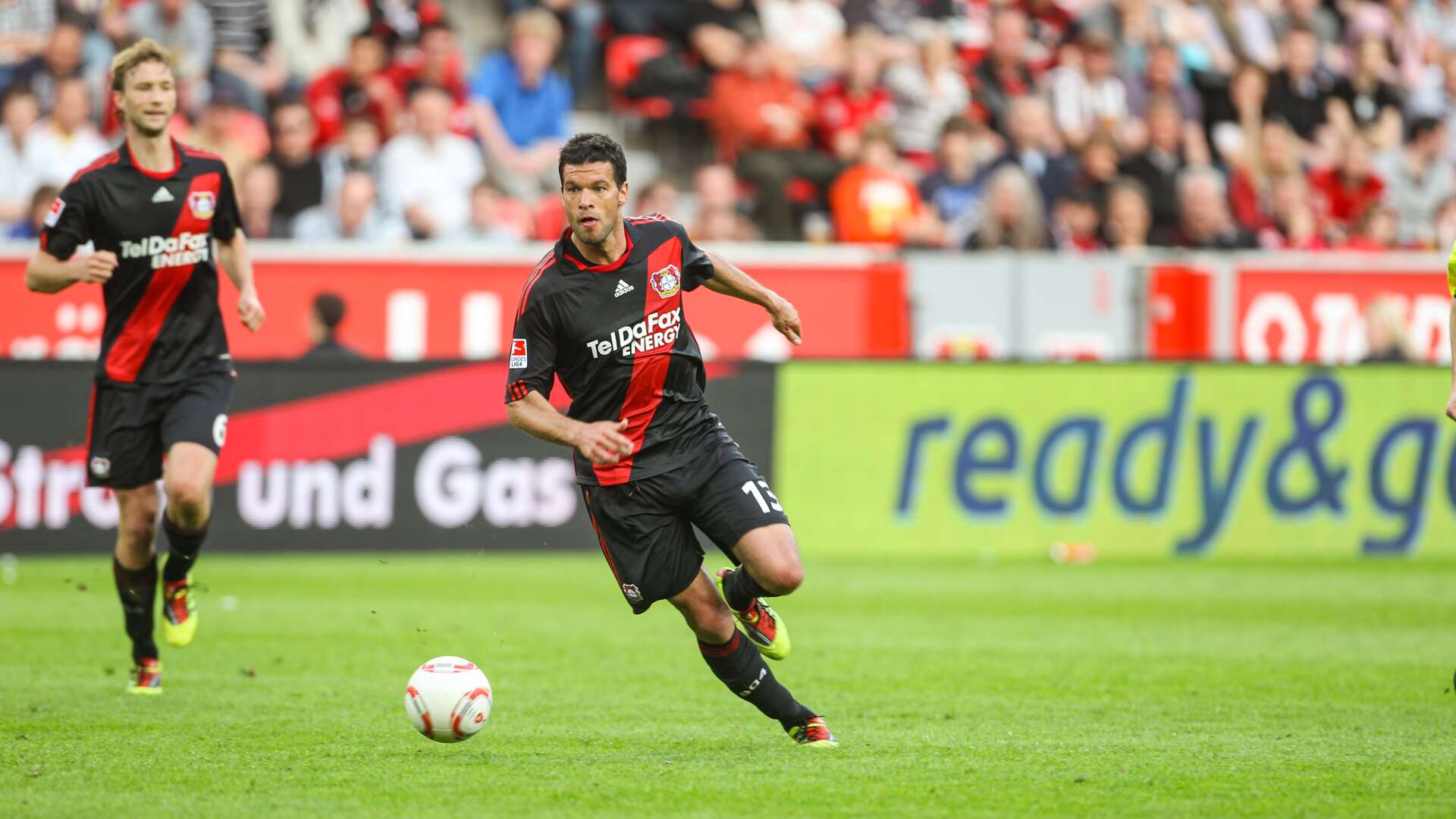
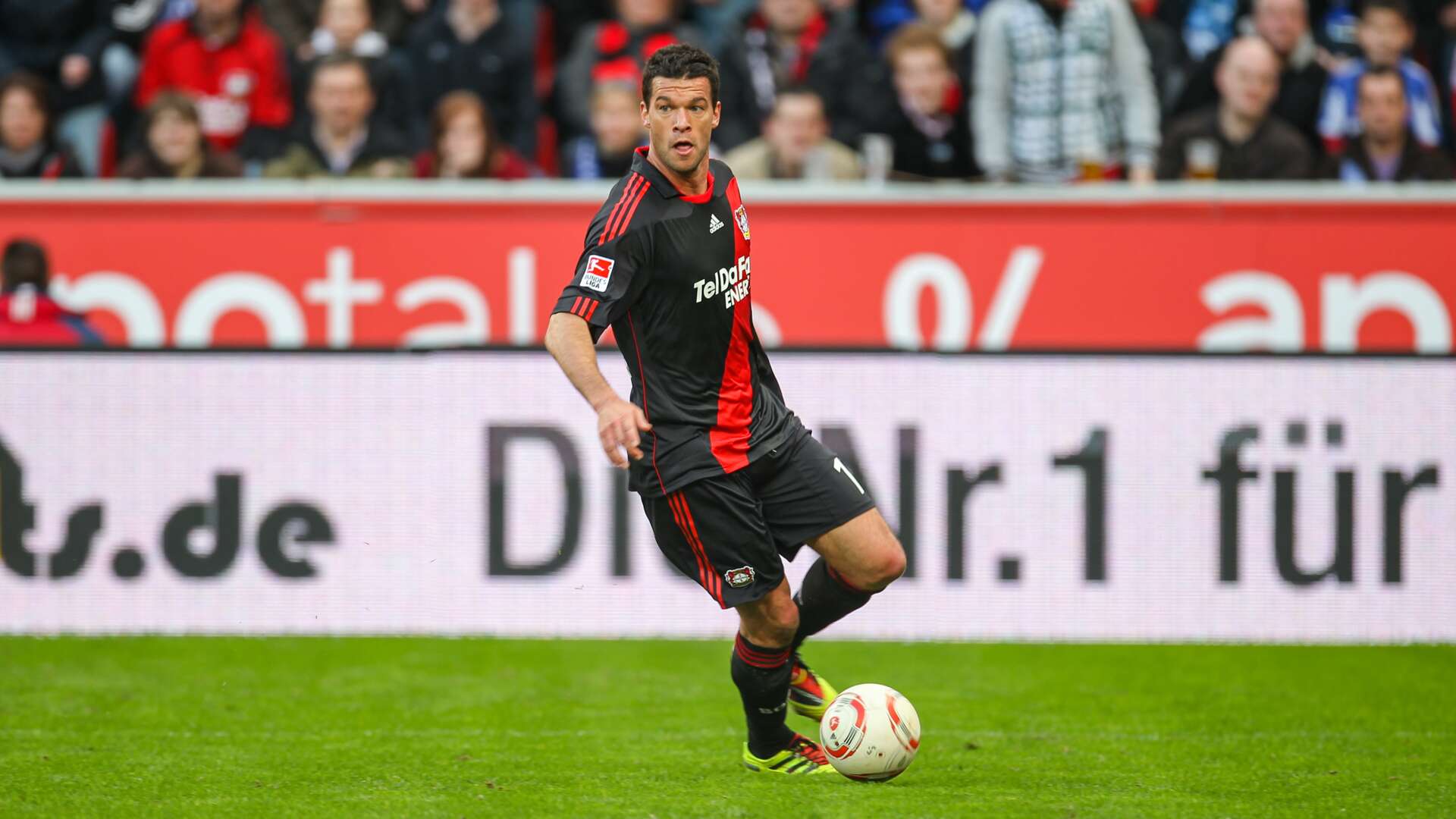
Michael Ballack made his sporting breakthrough at Bayer 04, where he played from 1999 to 2002. Under the coaches Christoph Daum, Berti Vogts and Klaus Toppmöller he developed into a complete midfielder – impressive technique, a goal threat, with vision and leadership qualities. He became a regular first choice on the team sheet in his first season at the Werkself. That ended with the drama against Unterhaching and his own goal making it 1-0. But the 2001/2002 season represented a complete breakthrough. In his most important, possibly best, season he scored 17 times in the Bundesliga and six times in the Champions League, he ended the campaign as runner-up with the Werkself three times in the Champions League, the Bundesliga and the DFB Pokal, and in December 2001 he announced his transfer to Bayern Munich for the start of the following season. He confounded all sceptical Bayer 04 fans in the following months with outstanding performances. Overall he made 155 appearances and scored 42 goals for Bayer 04.


He also produced outstanding performances for Germany. With him as a leader, they reached the final of the 2002 World Cup in Japan and South Korea after Balle scored the winner at 1-0 in both the quarter-finals and in the semi-finals. Just before he scored in the semi-final, he committed a professional foul just outside the penalty area. He stopped a South Korean player who was in a promising position on the edge of the box and he was shown a yellow card. That meant he was suspended for the final against Brazil. Nobody knows how that match might have ended with Michael Ballack in outstanding form that year. He was justifiably voted Player of the Season for the first time.
In his first campaign at FC Bayern, he won the double and was again Player of the Season. He won the league and cup double with the Munich team again in 2005 and 2006. Once again, he was voted Player of the Season in 2005. But he was unable to achieve his dream of winning the Champions League with FC Bayern. So in 2006 he went to England to play for a club he hoped would achieve that target.
At Chelsea he only won the league title once in four years but he did lift three FA Cups, one Football League Cup and the FA Community Shield, and he reached the 2008 Champions League final against Manchester United. With the scoreline at 1-1 after 120 minutes the match went to penalties. Balle converted the first penalty for his team. Unforgettable for me was his breakdown after the last missed penalty and the resulting defeat – once again no Champions League title. It was to be his last opportunity.
At the World Cup in Germany in 2006, coach Jürgen Klinsmann made him captain and that led to his second nickname: The Capitano. He was always the captain of Germany up to the 2010 World Cup. In Chelsea's FA Cup final against Portsmouth before the 2010 World Cup in South Africa, he suffered a serious injury from a foul by Kevin-Prince Boateng and he never played for his country again. His international career ended after 98 appearances and 42 goals.
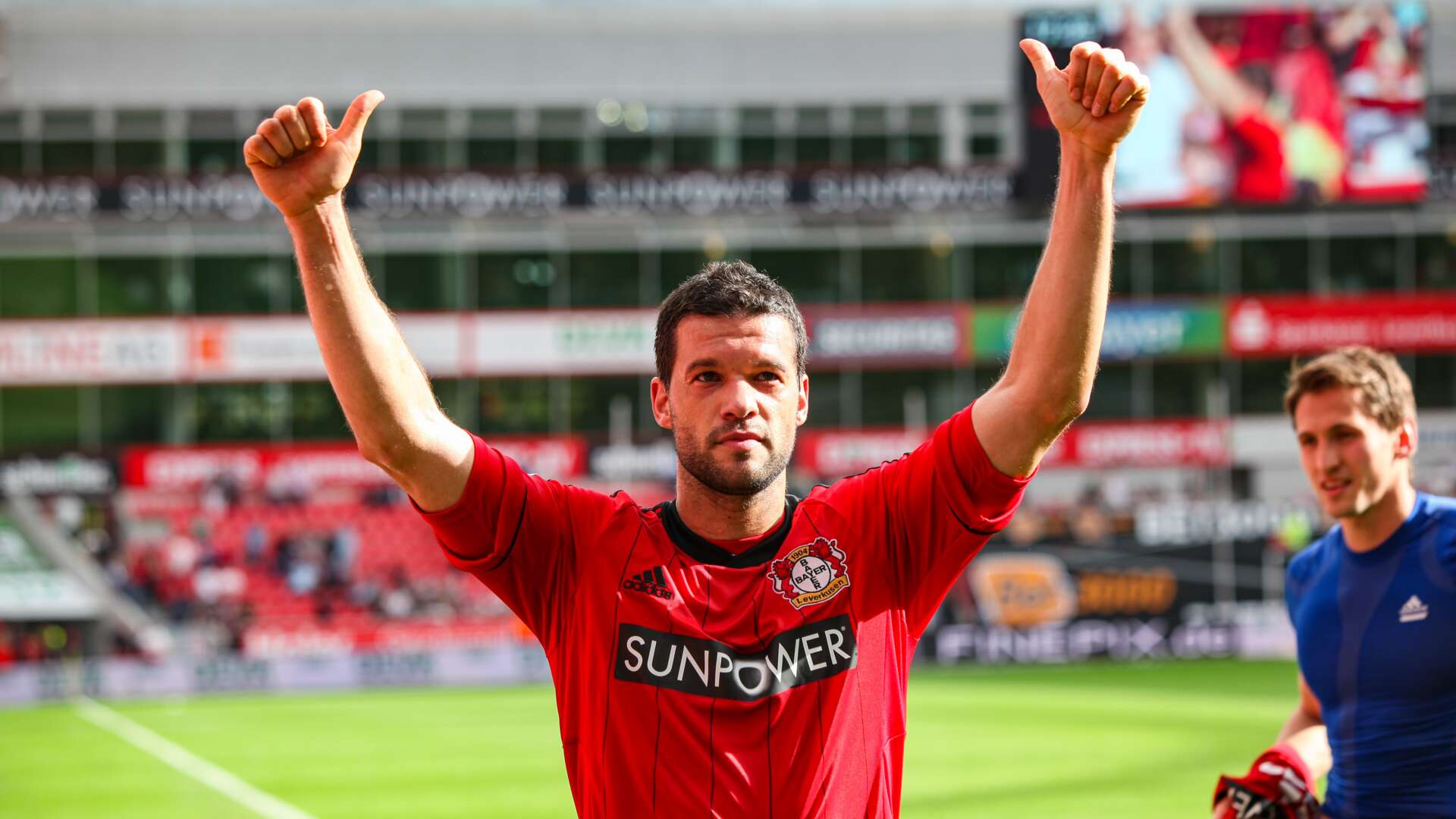
In 2010, when Chelsea only offered Michael Ballack a one-year contract, when he was looking for a two-year deal, he moved back under the Bayer Cross. In the testimonial match for Bernd Schneider on 9 October 2009, when Michael Ballack was invited to play by Schnix, Bayer 04 fans chanted: "Micha come back, Micha come back, Micha, Micha, Micha come back." That led to the idea of bringing back under the Bayer Cross a year later. In the summer of 2010 he rejoined Leverkusen for the second time on a free transfer. However, he suffered a fractured tibia on matchday three and missed the rest of the Hinrunde. He only played 17 games that season but the Werkself qualified for the Champions League. After the second season, Michael Ballack ended his time at Bayer 04 and he announced he was hanging up his boots on 2 October 2012.
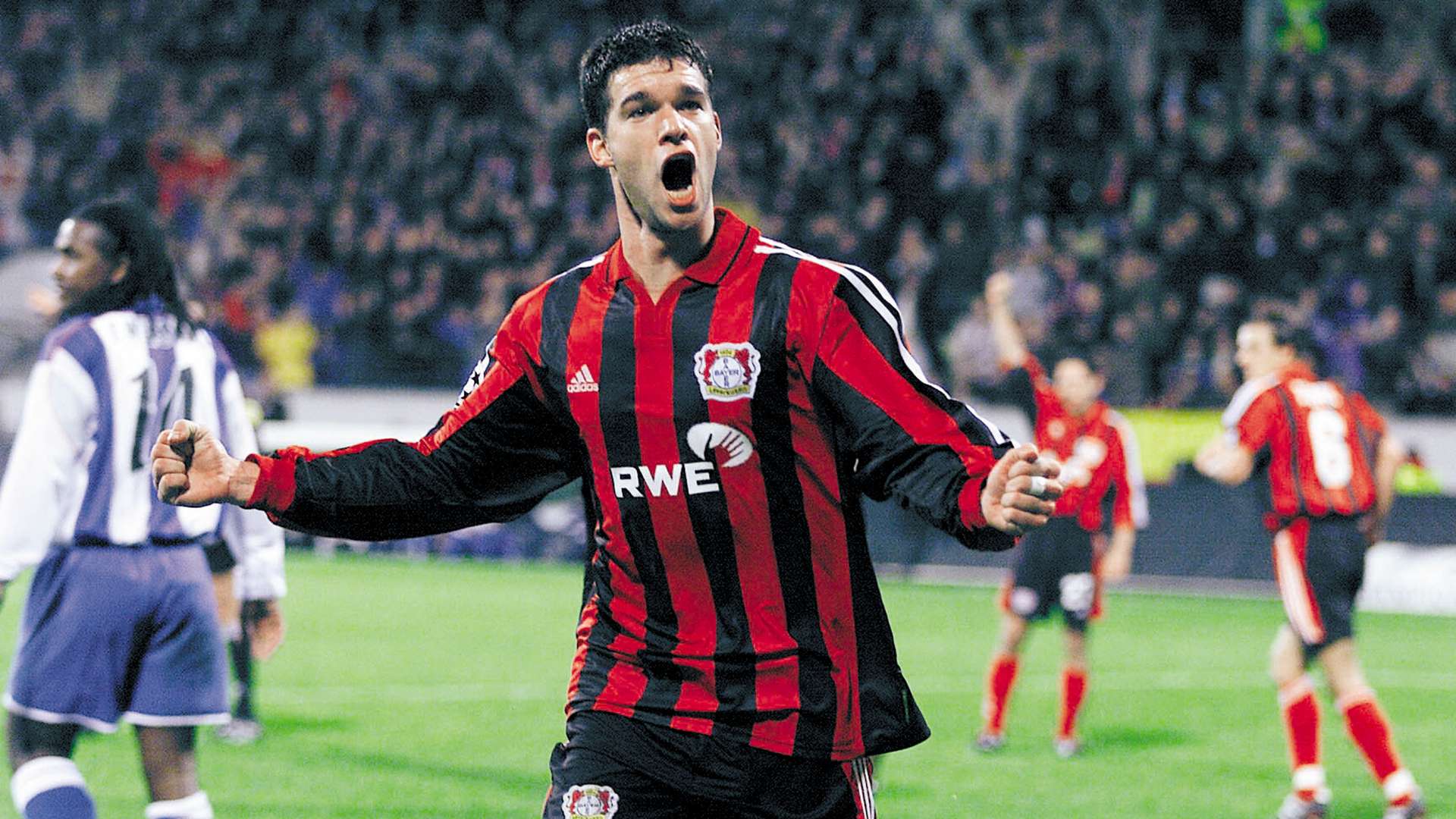
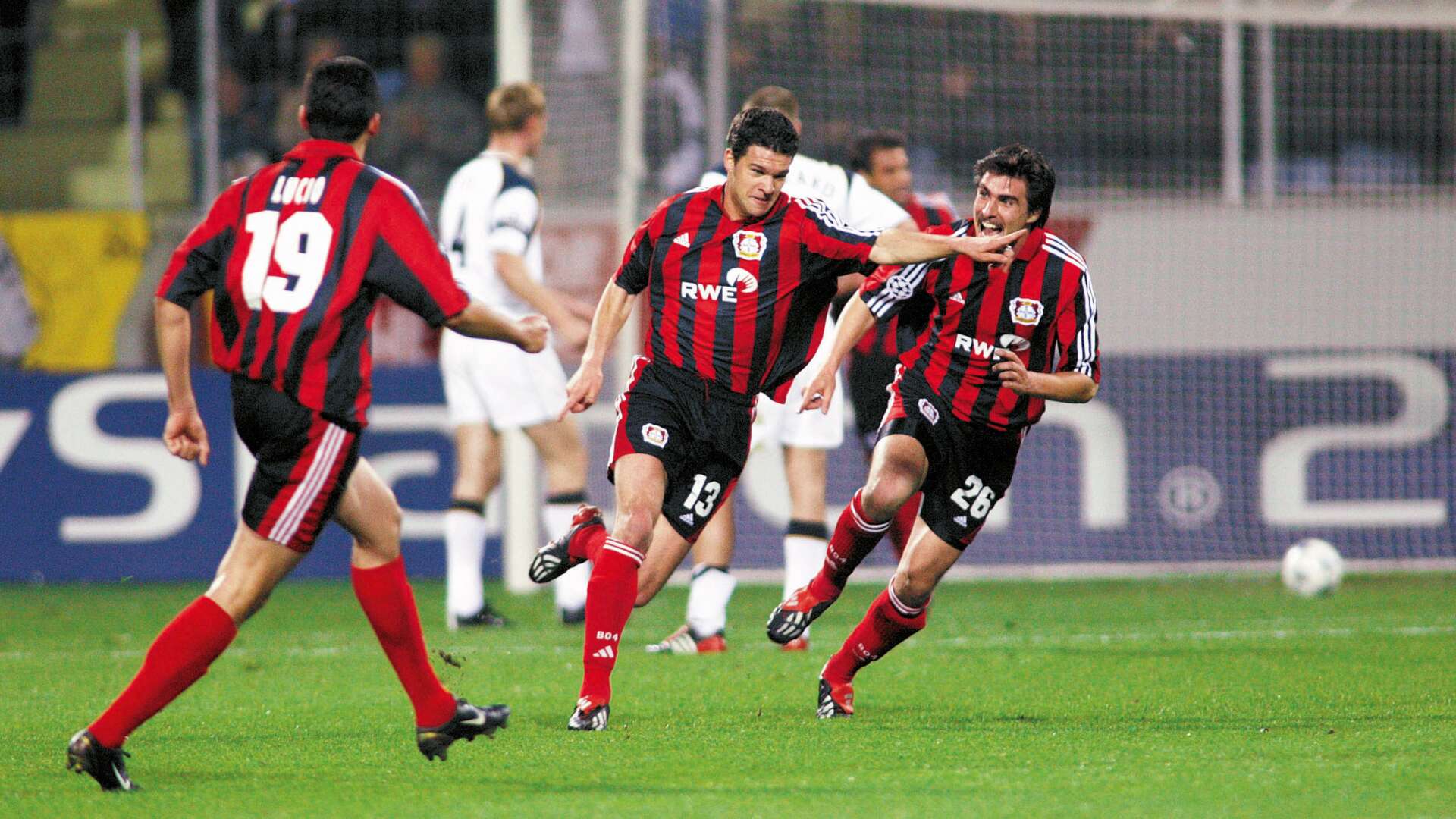
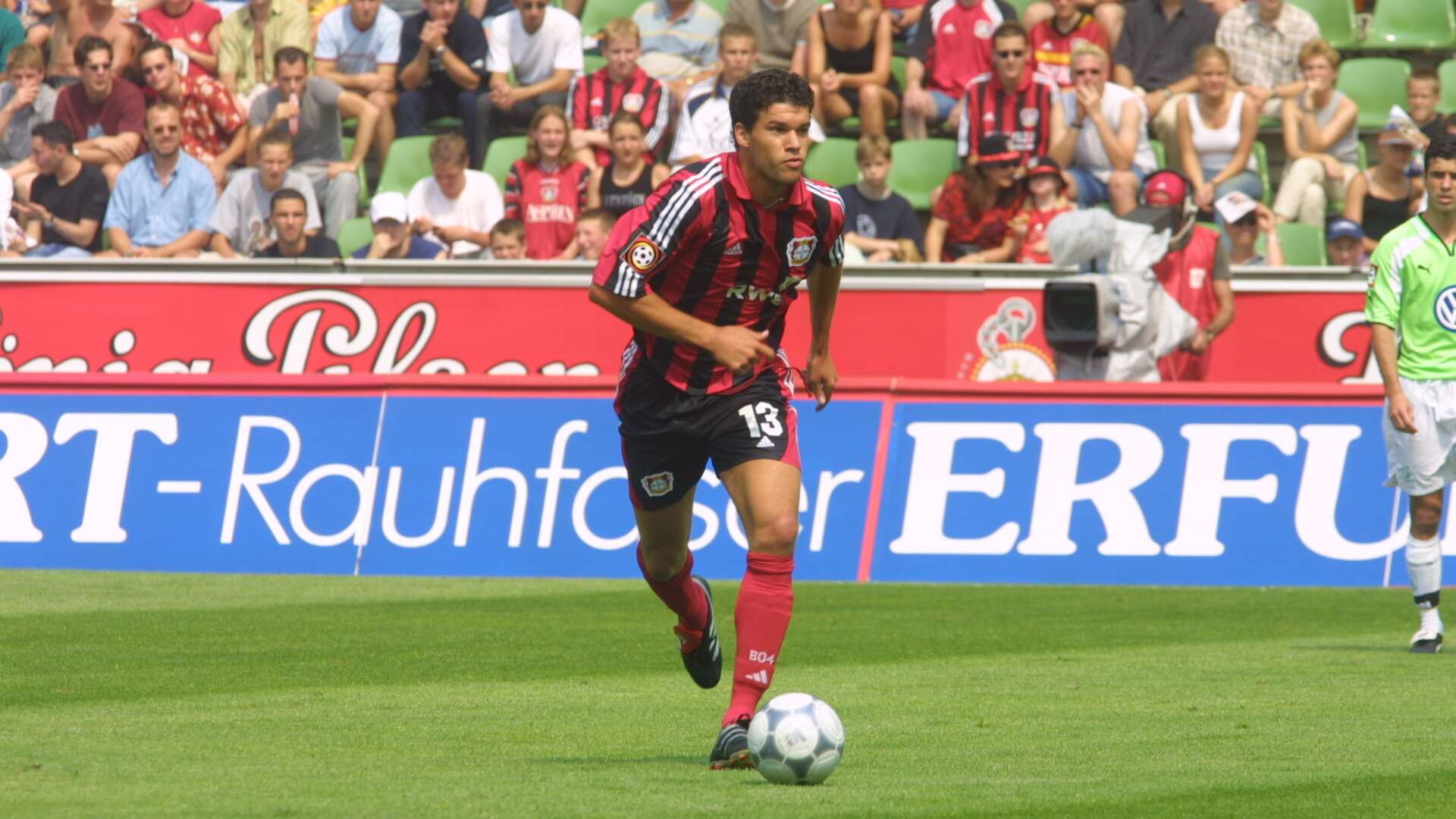
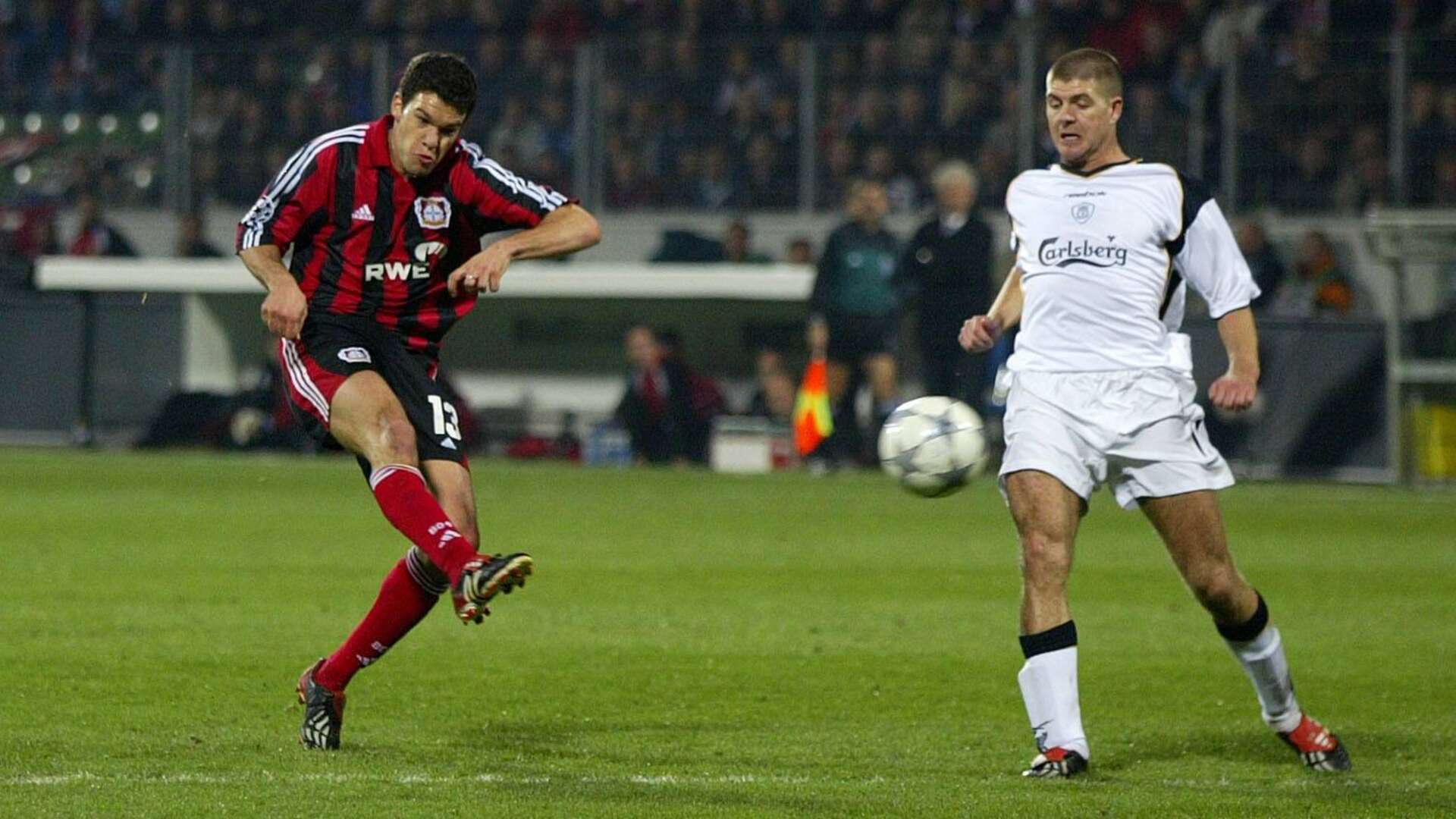
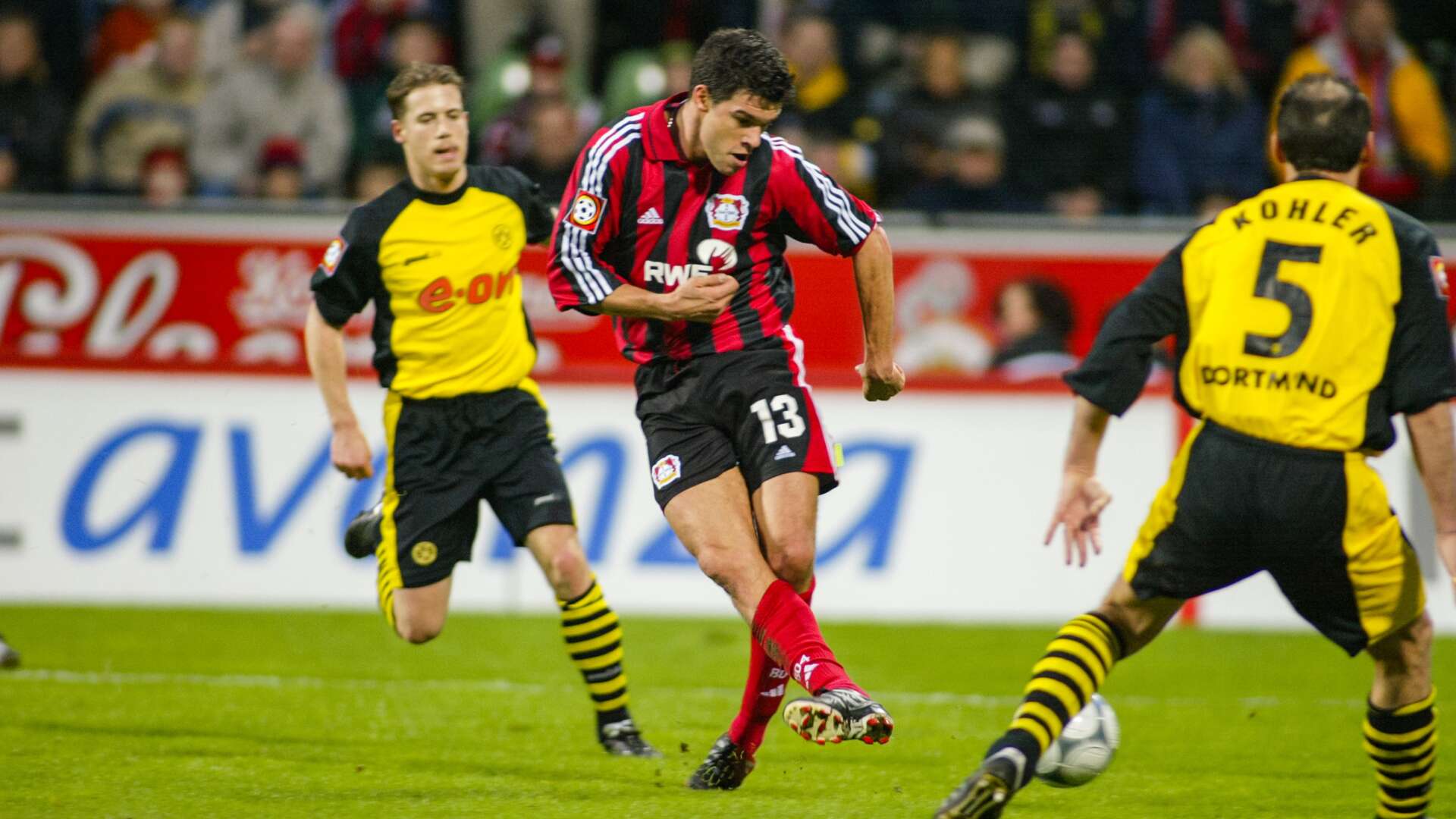
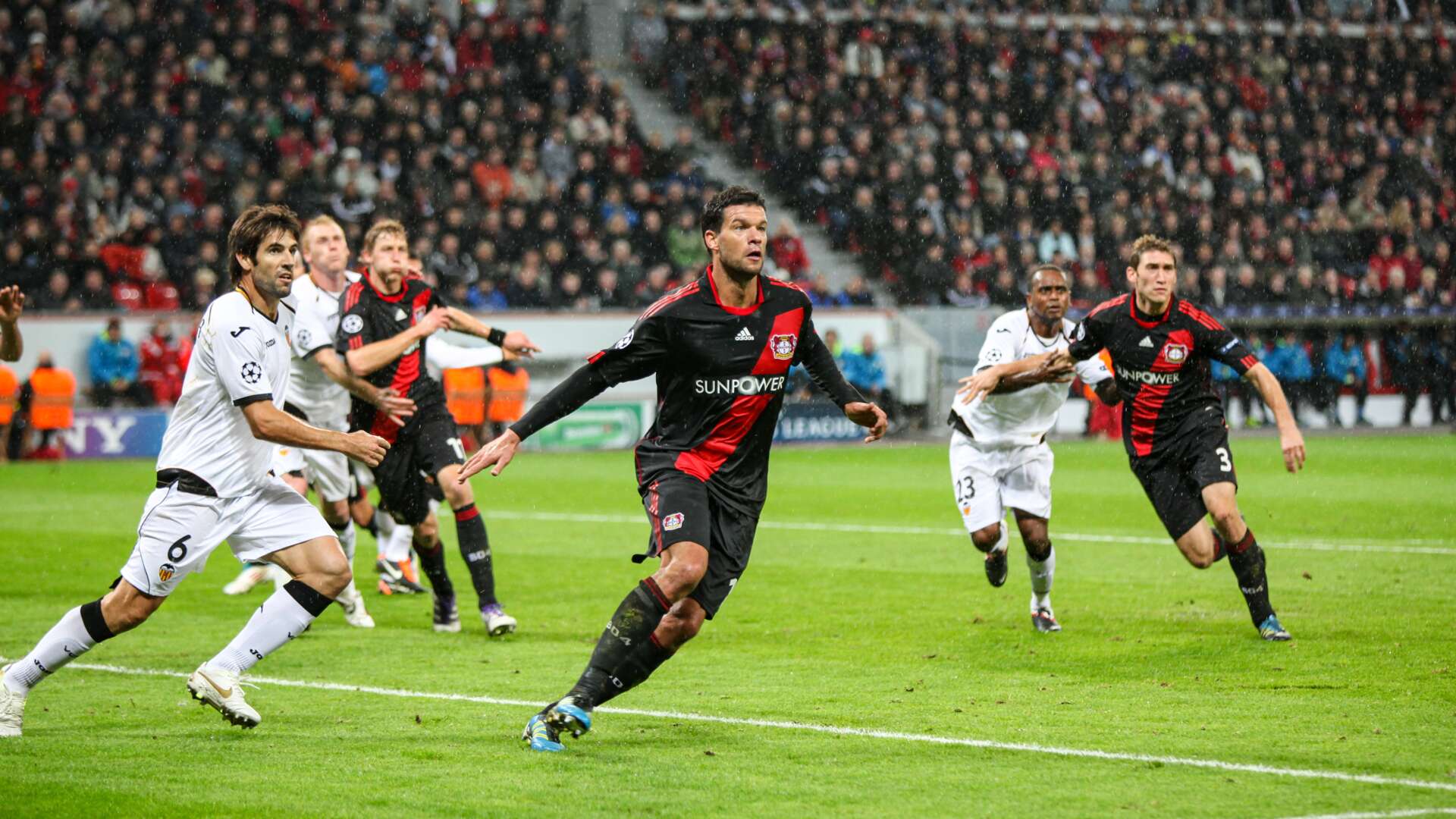
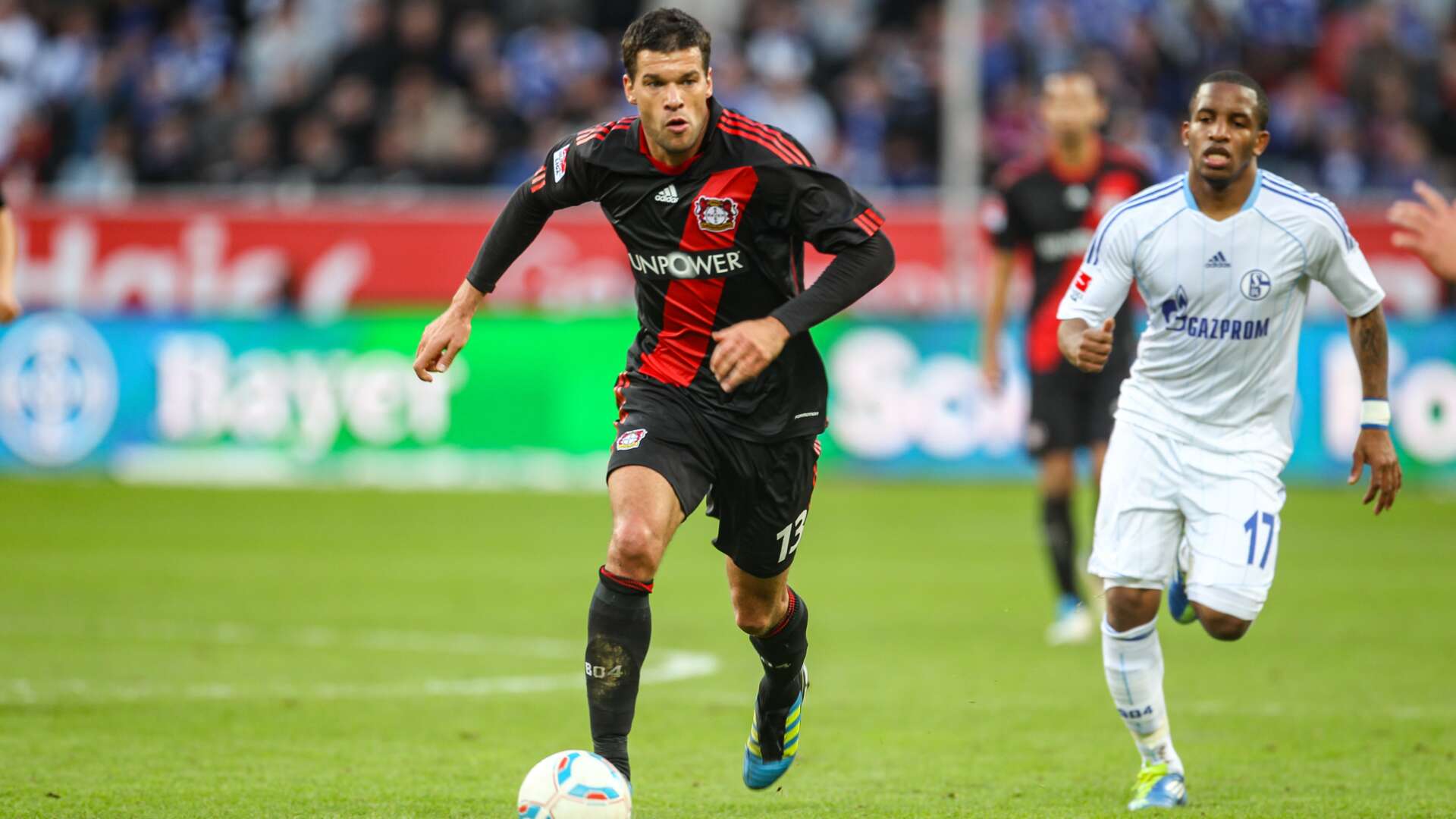
After the end of his playing career in 2012 Michael was active as a TV pundit and in different community projects. He continues to be involved in advertising. The father of three sons, with the middle one suffering a fatal accident on a quad-bike in 2021, played under the Bayer Cross for five years where he had a strong influence on Bayer 04. Above all, his first stint from 1992 to 2002 and his development into a world-class player at Leverkusen makes him a Bayer 04 legend.

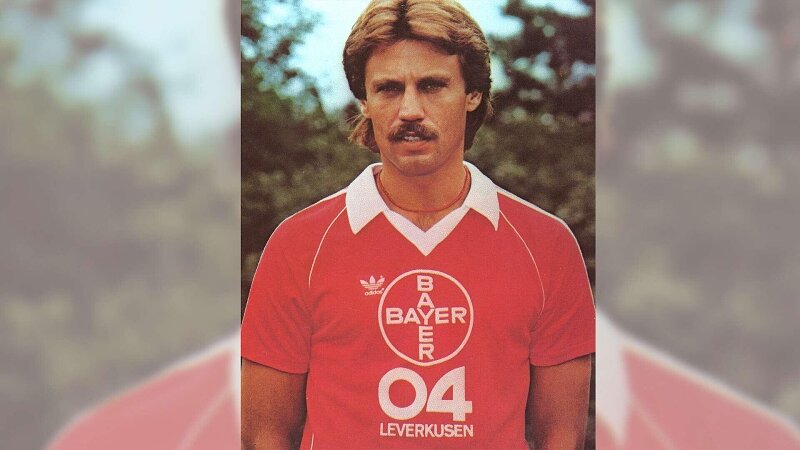
Dieter Bast was born in Oberhausen on 28 August 1951. He began playing football in the youth team at DJK Arminia Klosterhardt, a local club in Oberhausen. Whilst training as a toolmaker, he moved to neighbouring club Sterkrade 06/07 to play for their U19s, where he caught the eye of Bundesliga sides Rot-Weiss Essen and Borussia Mönchengladbach. Bast opted for Rot-Weiss and played in the Bundesliga from 1970 onwards. In his very first year, he made 22 appearances as a right winger, scoring three goals. Nevertheless, Essen were unable to avoid relegation.
Show more
José Vítor Roque Júnior was born on 31 August 1976 in Santa Rita do Sapucaí, in the Brazilian state of Minas Gerais. As a youth, he played for São José EC, a club in the east of the state of São Paulo. His professional career began in 1995 with Palmeiras São Paulo. There, Roque Júnior quickly established himself as a key player in the team, making more than 200 appearances and enjoying significant success. With the club, he won the Copa do Brasil in 1998 and the Copa Libertadores in 1999, the South American equivalent of the European Champions League.
Show more
In this video you can see impressive and important goals in the history of Bayer 04 from the month of August. It's not always about the beauty of the goals, but also a reminder of special games and players.
Show more
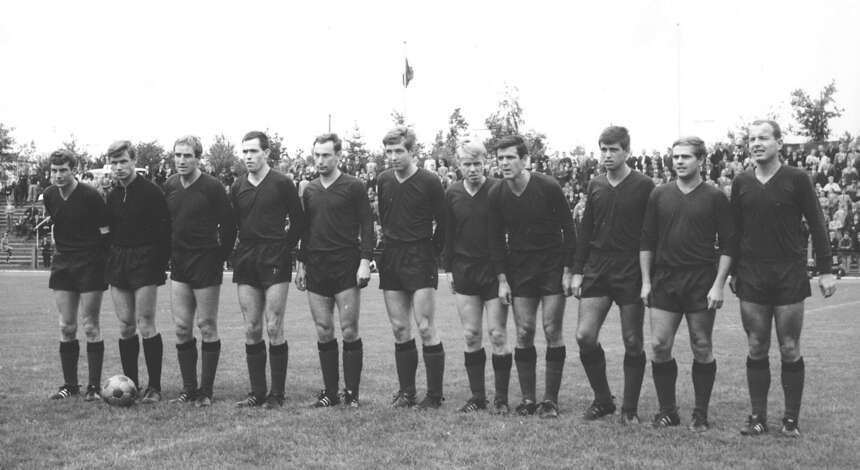
The Werkself play their first top-flight match in Bayer 04’s history away at Sportfreunde Katernberg. 7,000 spectators turn up at the Am Lindenbruch stadium in that district of Essen. The Katernbergers have transformed the once ‘barren’ pitch into a real gem. On this Sunday afternoon, 19 August 1951, the lush turf provides the perfect conditions for a good game of football.
Show more
Following a thoroughly successful start with a 2–1 home win against VfL Wolfsburg, the Werkself are organising a team event. On Wednesdays, they head to the Nürburgring together and do a few laps at speed. Manager Klaus Toppmöller welcomes this initiative, as it promotes team spirit and integration. During weekly training sessions, the team works extensively on various defensive tactics, as the manager was dissatisfied with his players’ pressing in the final minutes of the match against the Wolves.
Show more