Yes, I'd like to see videos dispalyed.
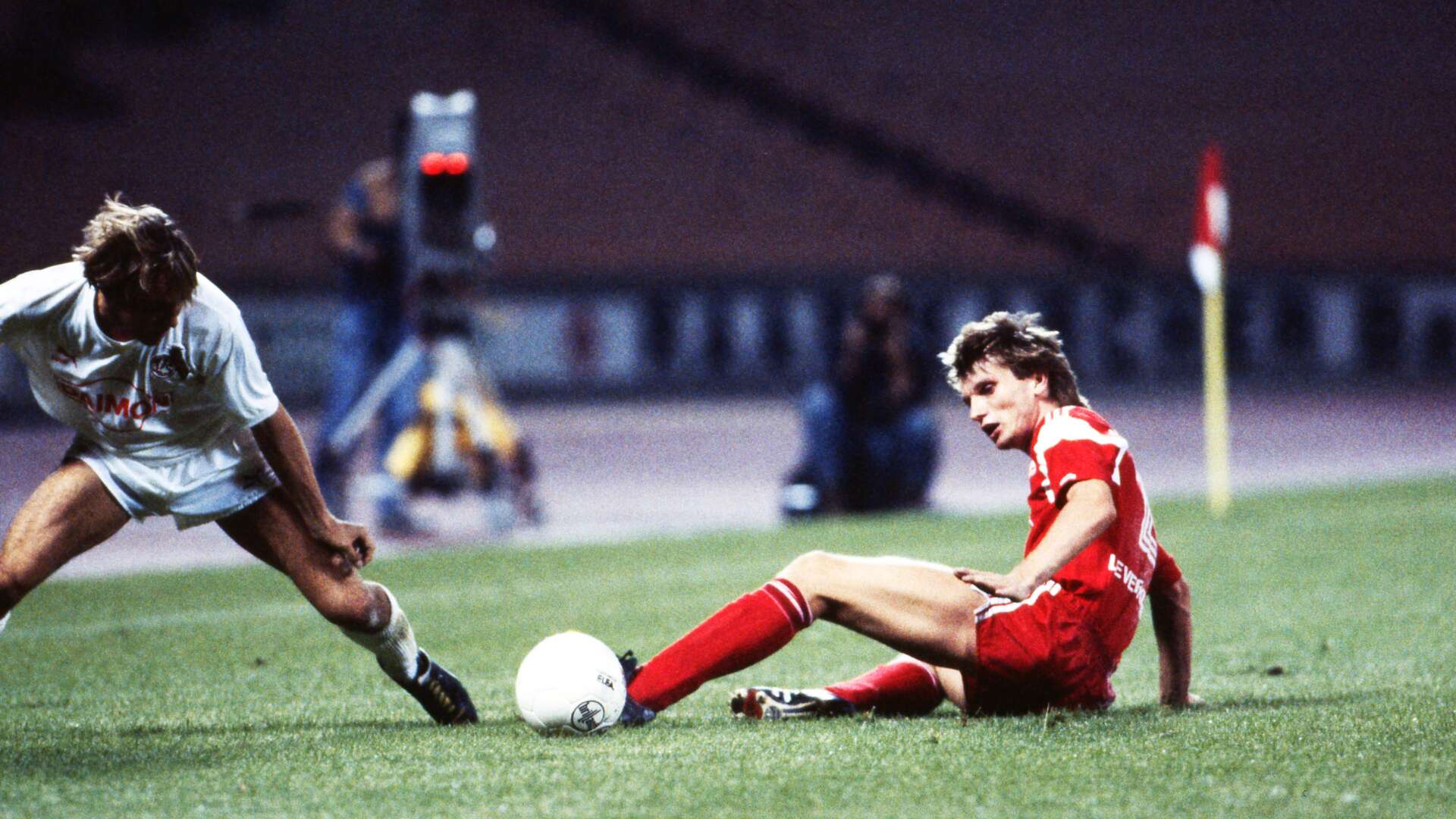
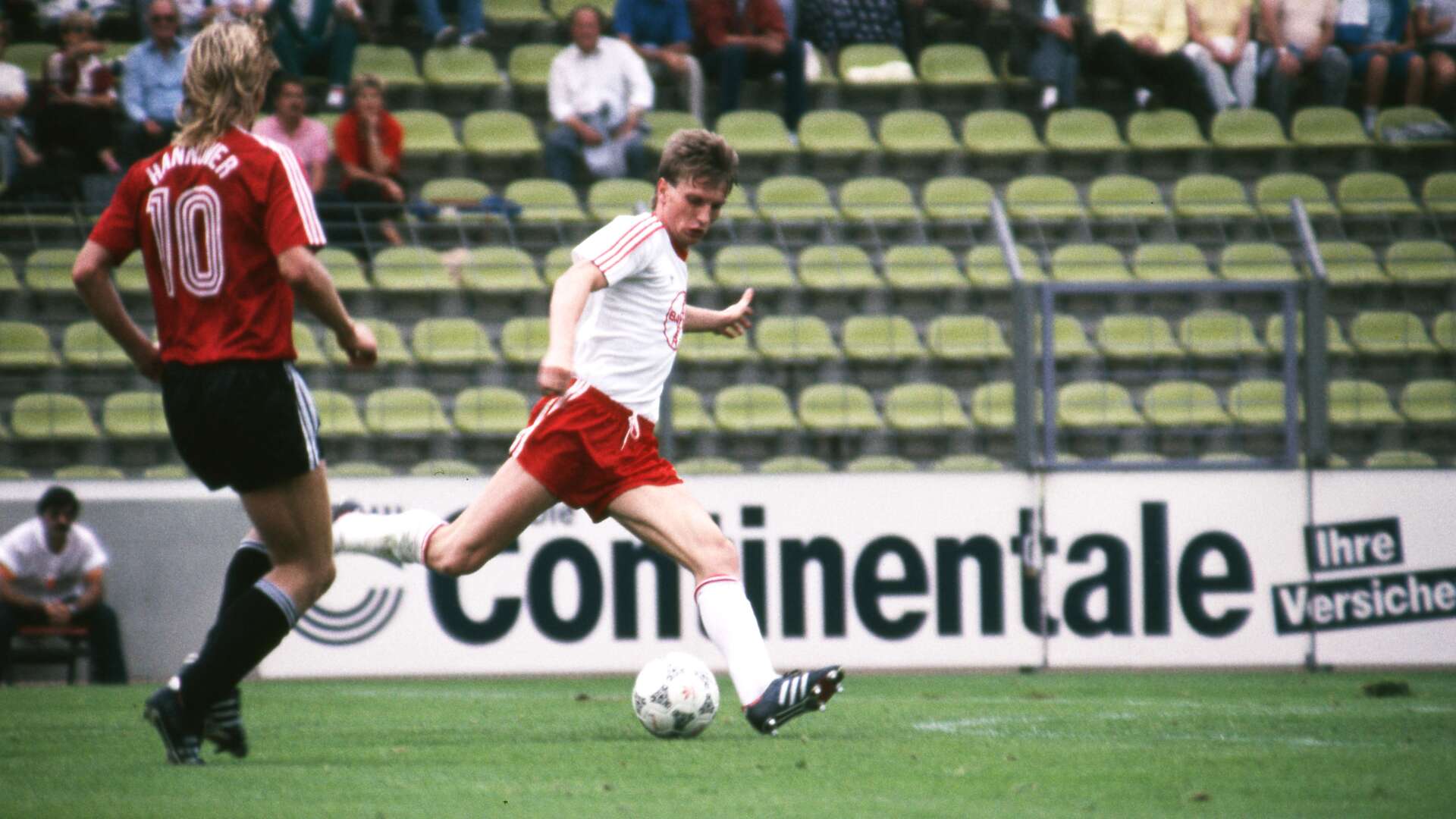
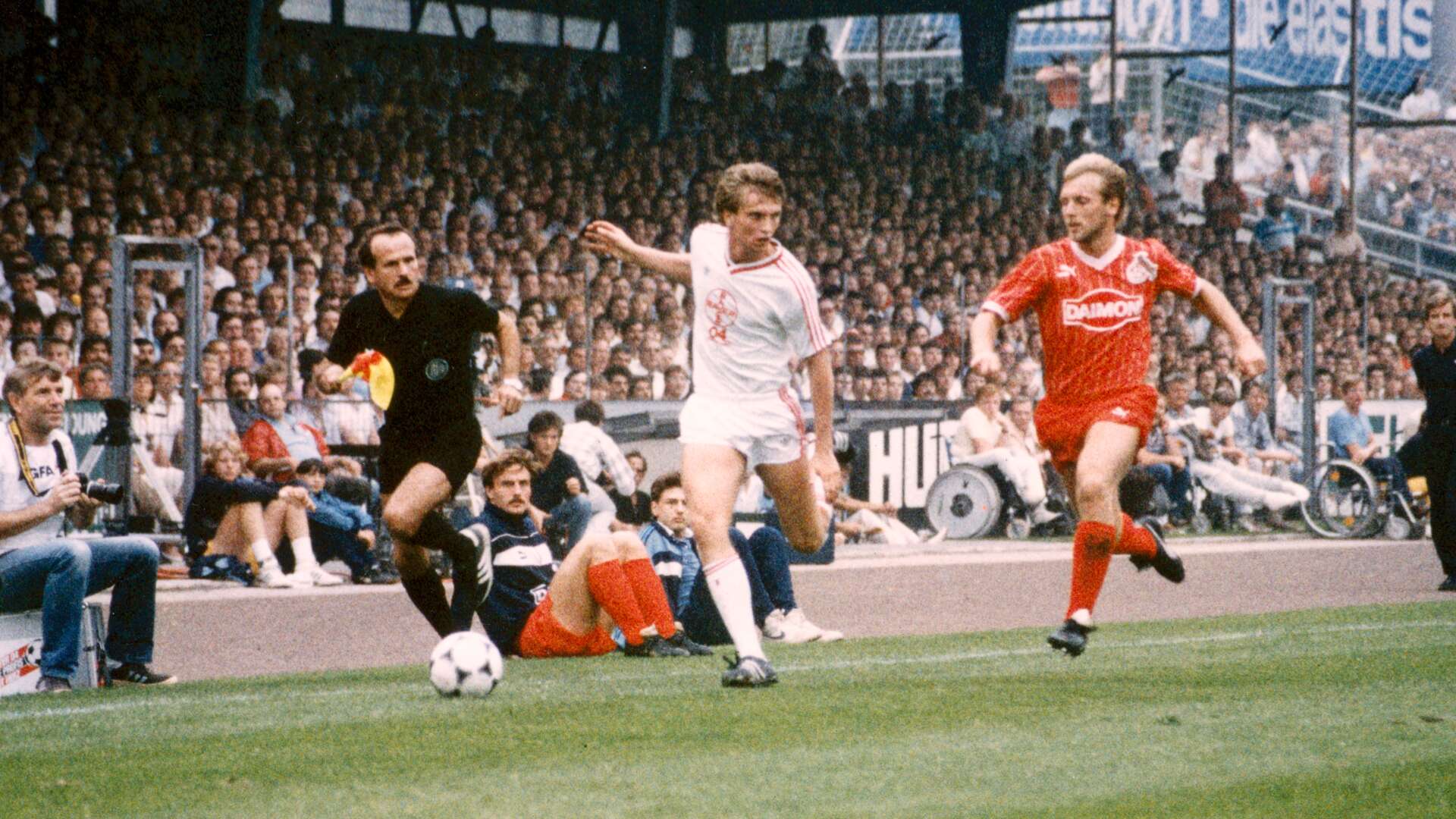
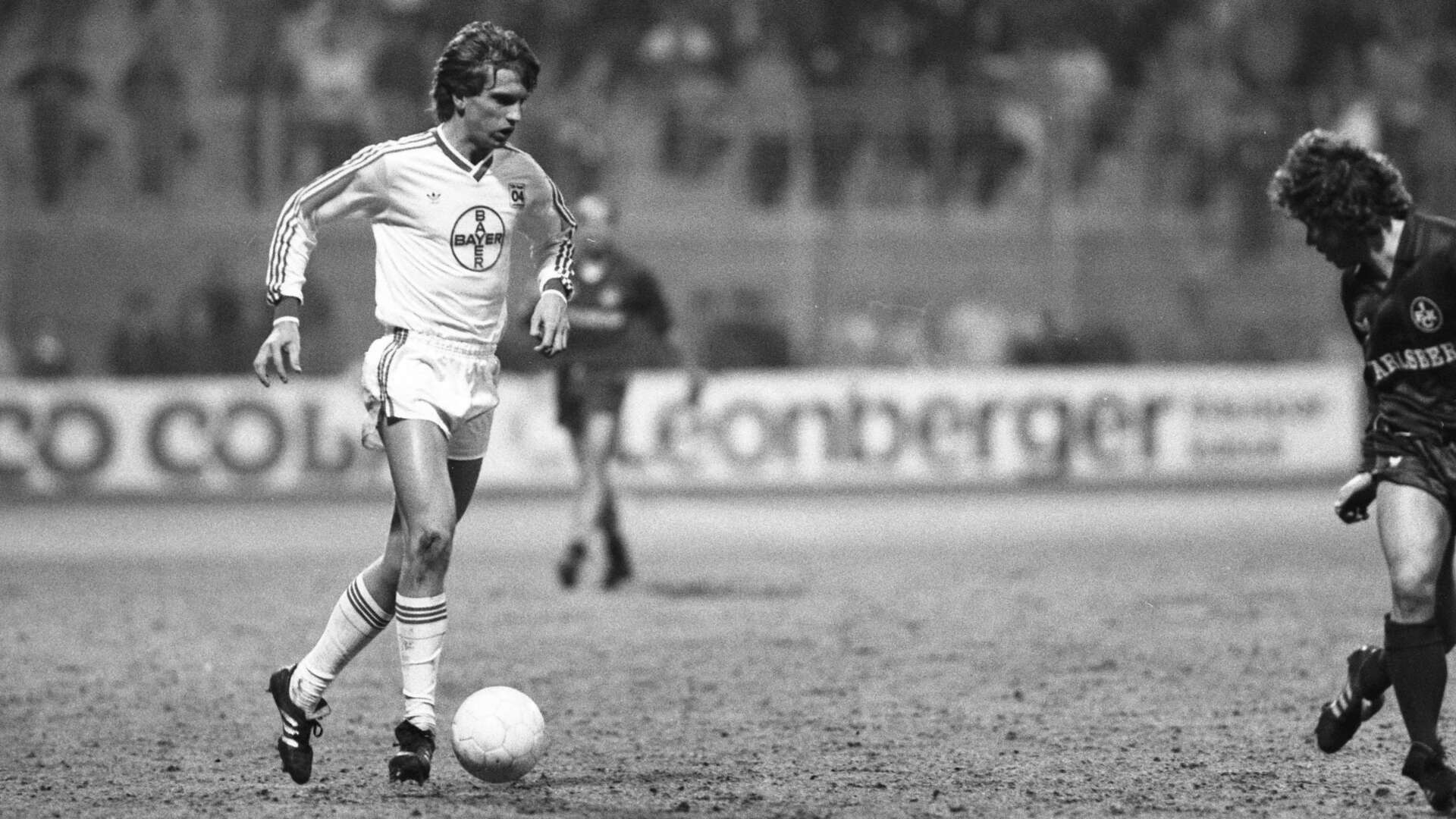
Peter progressed through the youth teams there and also made it into the national youth team. Via the Werkself amateur team, he finally broke through to the senior squad in the 1985/86 season. On 17 August 1985, he made his Bundesliga debut under coach Erich Ribbeck in a 2-0 win against FC Saarbrücken. In the following three years, ‘Zanti’, as he was called by his team-mates, made a total of 40 Bundesliga appearances for the Werkself.
Although he was denied a goal of his own, his assists and defensive stability made him a permanent fixture in the team. He also played in three DFB Pokal matches and eight UEFA Cup games. One of them on 17 September 1986 in Kalmar, Sweden. There he was in the starting eleven for the Werkself's first international appearance. Just one season later, he was part of the squad that celebrated one of the greatest successes in the club's history by winning the UEFA Cup.
In addition to playing for the Germany U21 team, Peter was also a member of the Bundeswehr national team in 1987, which reached the final of the World Military Cup in Italy. Although Germany were beaten 2-0 by the hosts Italy, second place was still a remarkable success.


After his time at Leverkusen, the right-back moved on to Hannover 96 for the 1988/89 season, where he also impressed with his calm, relaxed style of play and made 21 Bundesliga appearances. He then joined VfL Bochum, where he played a further 29 first division matches up to 1992. Zanter remained true to himself in all of his appearances: he was not a player for the headlines, but a reliable, team-orientated player.
Tragically, his career came to an abrupt end due to a serious Achilles tendon injury. Despite operations and attempts to make a comeback at lower league clubs such as SV Straelen and Hasper SV, he was unable to return to playing on a permanent basis. In 1994, Peter Zanter ended his active career with a heavy heart.
Nevertheless, he maintained his connection to football. In the years that followed, he worked as an assistant coach at several clubs, including KFC Uerdingen, Fortuna Köln, Preußen Münster, Holstein Kiel and Eintracht Braunschweig. At Braunschweig, he experienced a special moment alongside head coach Peter Vollmann: promotion to the Bundesliga 2. Peter later switched to scouting and worked for a sports agency - a field where he was able to contribute his flair for talent and his in-depth expertise.
Dear Peter, I wish you all the best for your 60th birthday! Stay healthy and celebrate.
Christoph Daum was born on 24 October 1953 in Zwickau. As a child, he moved to West Germany with his mother and grew up in Duisburg. He developed a great enthusiasm for football at an early age, even though it soon became clear that his future lay less on the pitch than on the sidelines. Even at a young age, his passion for analysing, explaining and improving things became apparent.
Show more
When the Bayer 04 players celebrated Christmas in 1960, they spent the winter in second place in the Oberliga West 2 on 20 points - but already five points behind leaders Schwarz-Weiß Essen. However, coach Erich Garske's team are struggling to get back on track in the new year. A goalless draw against Bonner FV at home at the Ulrich Haberland Stadium was followed by a 2-1 away defeat in Erkenschwick. The following home game also yielded just one point. As a result, the team's promotion ambitions dwindled to a minimum, as the gap to the coveted spot has now grown to a challenging ten points.
Show more
In this video you can see impressive and important goals in Bayer 04 history from the month of February. It's not always about the beauty of the goals, but also a reminder of special games and players.
Show more
It is 11 February 2006 and Schalke 04 and the Werkself kick off at 3.30 p.m. in a match that ends up being historic - at least from a Bayer 04 perspective.
Show more
As league leaders, the Werkself welcomed the relegation-threatened team from Rhenania Würselen. On 4 February 1951, 5,000 spectators line the touchlines despite the Sunday carnival parades. And they see a home team that is superior on the pitch. Without Theo Kirchberg, who was ill, and Emil Becks, who was suspended, the hosts attacked the opposing goal from the start. Battling against a strong wind in the first half, Bayer 04 created chance after chance, but were repeatedly thwarted by the Würselen goalkeeper. With the score at 0-0 at half-time, Karl Heinz Spikofski tried his luck on 55 minutes and hammered the ball into the opposition net from 20 metres out. Rhenania can no longer counterattack. The siege of the Würselen penalty area continued right to the end, but the game ended in a narrow 1-0 win.
Show more