Yes, I'd like to see videos dispalyed.
During that time, he also played for Brazil eight times and was also in the Selecao World Cup squad in 2002 but injury prevented his participation in the tournament.
In the summer of 2002, Franca took the plunge and moved to Europe to join Bayer. With a transfer fee of around 8.5 million euros, he becomes the most expensive new signing in the club's history. Expectations were high: Franca was expected to revitalise the attack, provide creativity and also prove his qualities in the Bundesliga.
However, his start in Leverkusen proved to be difficult. In his first season, Franca rarely found his best form and often fell short of expectations. He was hardly ever in the starting eleven and only managed one goal. Already labelled as a bad buy, everything changed in the 2003/04 season. Franca really blossomed, scoring 14 Bundesliga goals, setting up loads of others and developing into one of the most eye-catching attacking players in the Bundesliga. Together with Dimitar Berbatov, he formed a dangerous attacking duo and took on a key role in Bayer 04's game. One season later, things continued in the same vein.
On matchday 3, the entire team put in a brilliant performance in a 4-1 home win against FC Bayern, but Dimitar Berbatov and Franca were the main protagonists of this victory with two goals each. But as the first half of the season progressed, the Brazilian was ousted from the starting eleven by new signing Andrej Voronin. And so, after three years at Leverkusen, where he scored 33 goals in 97 matches for the Werkself, Franca decided to move on to Japan to join Kashiwa Reysol.
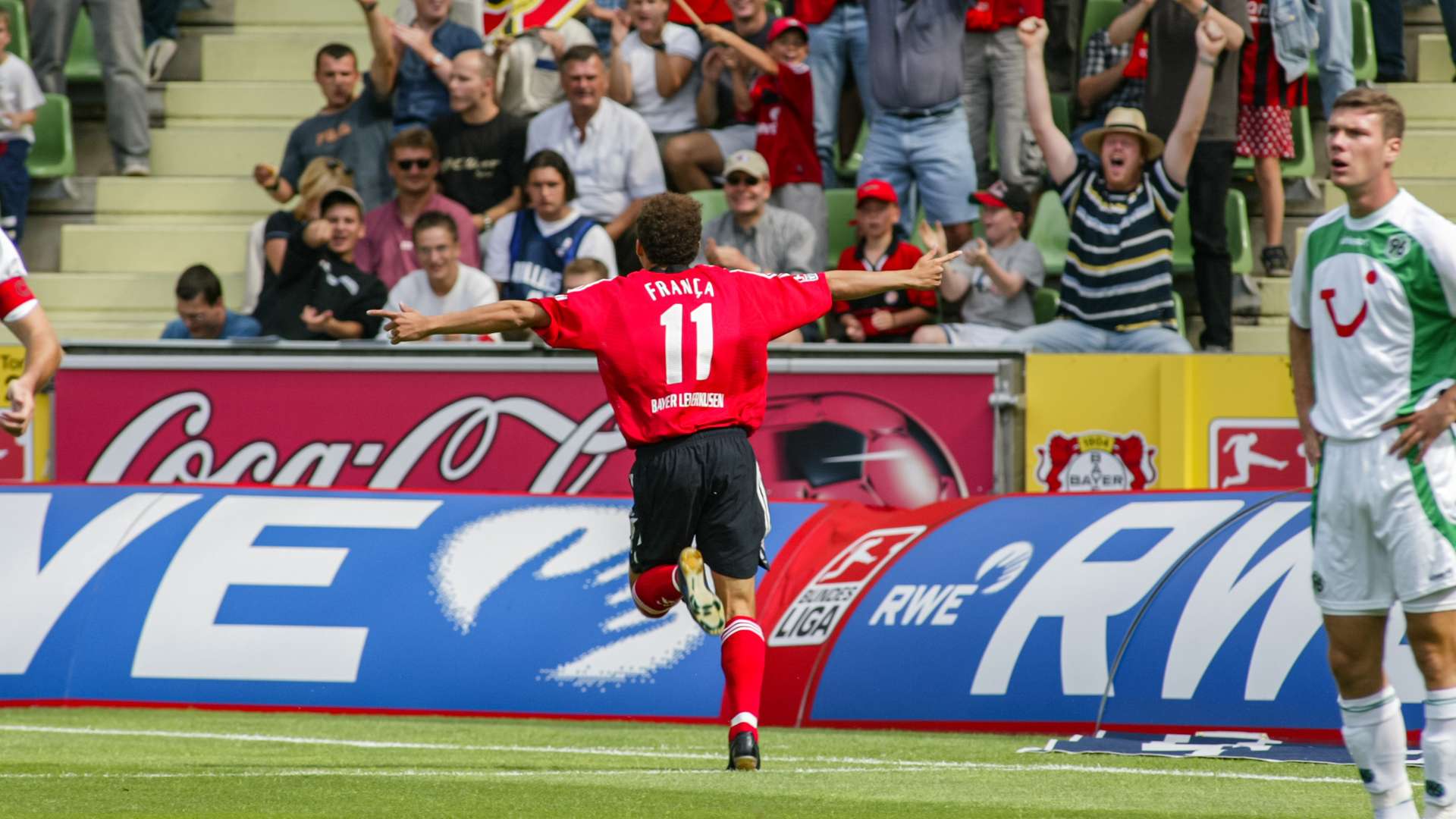
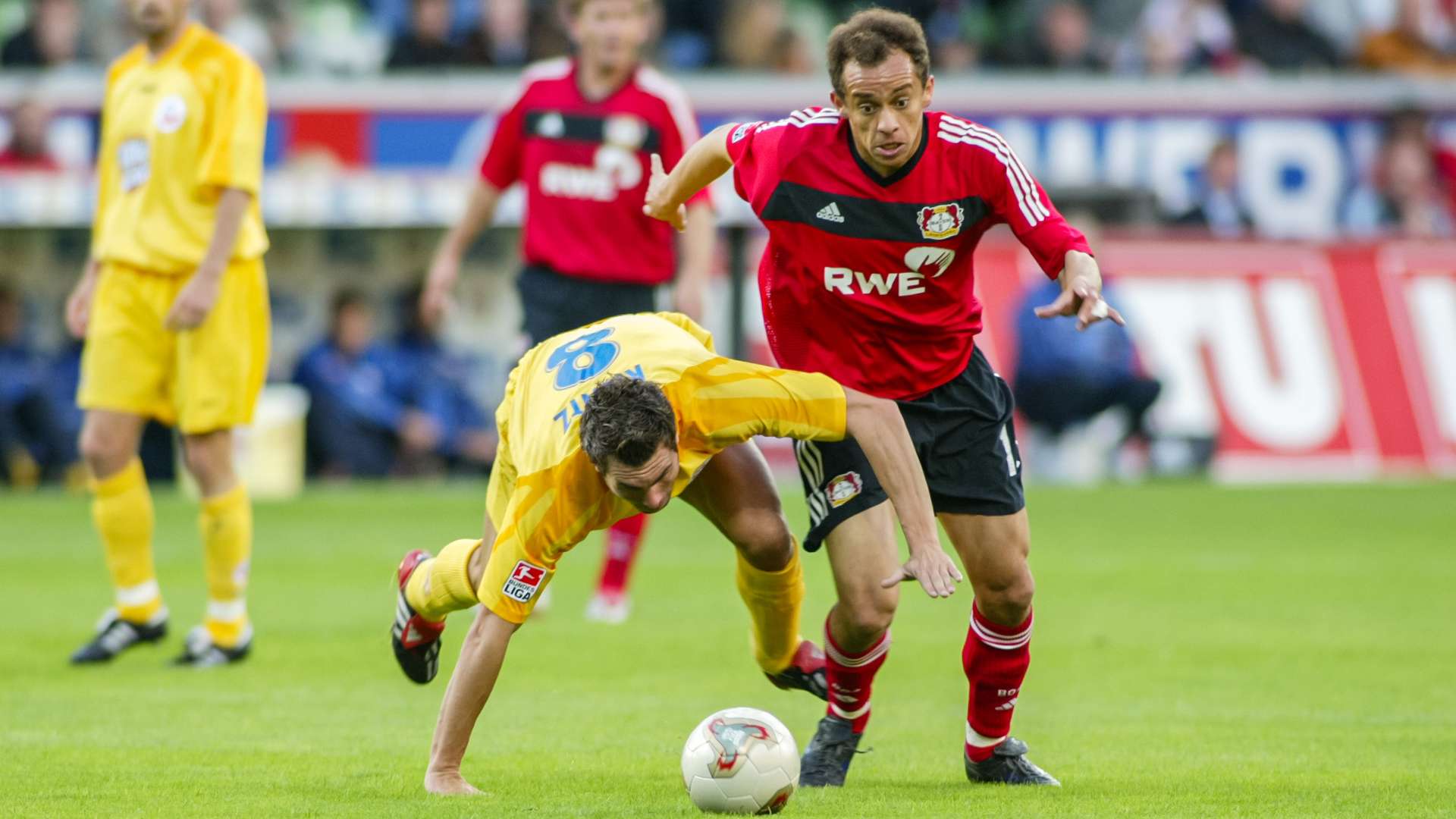

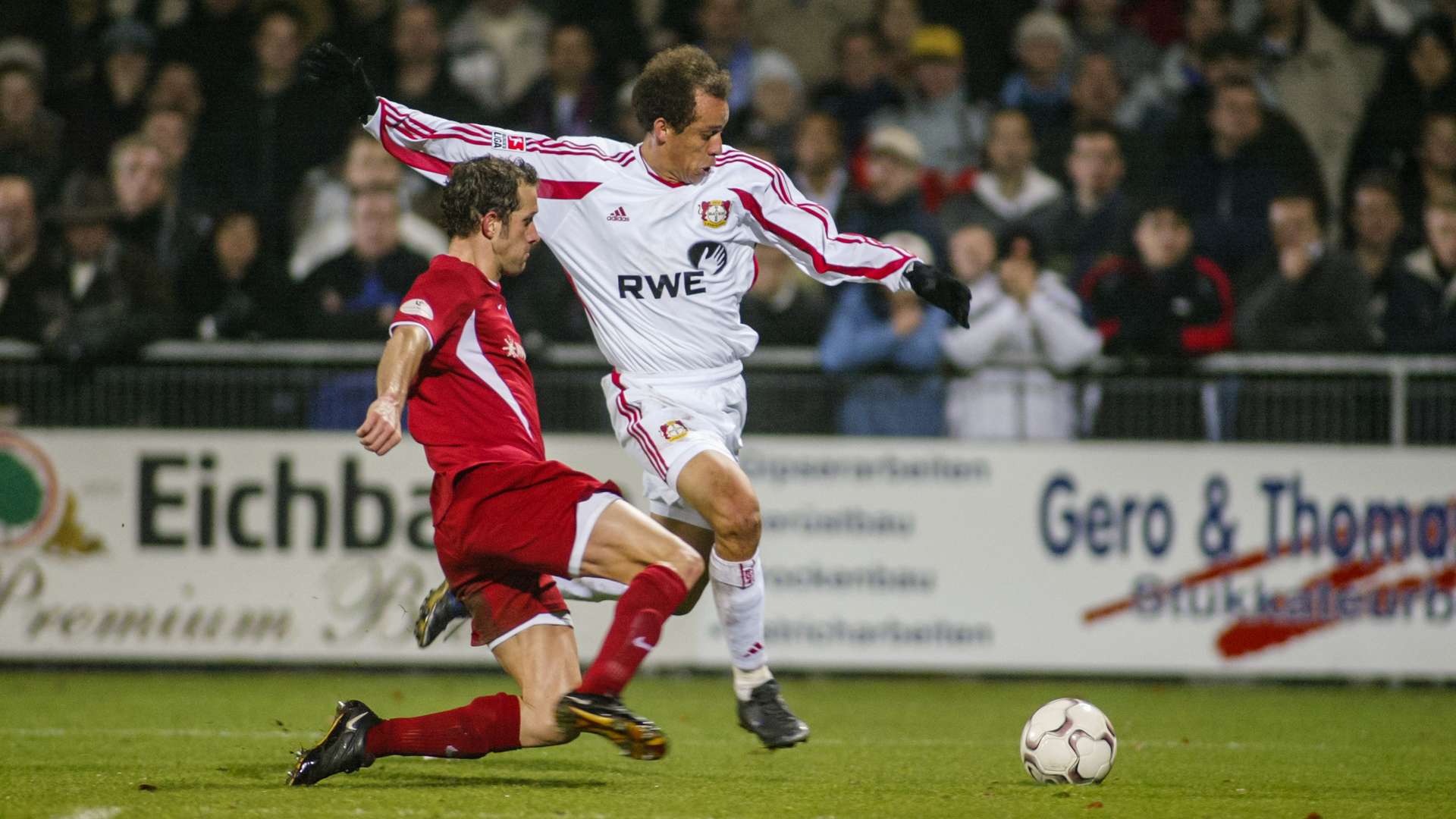
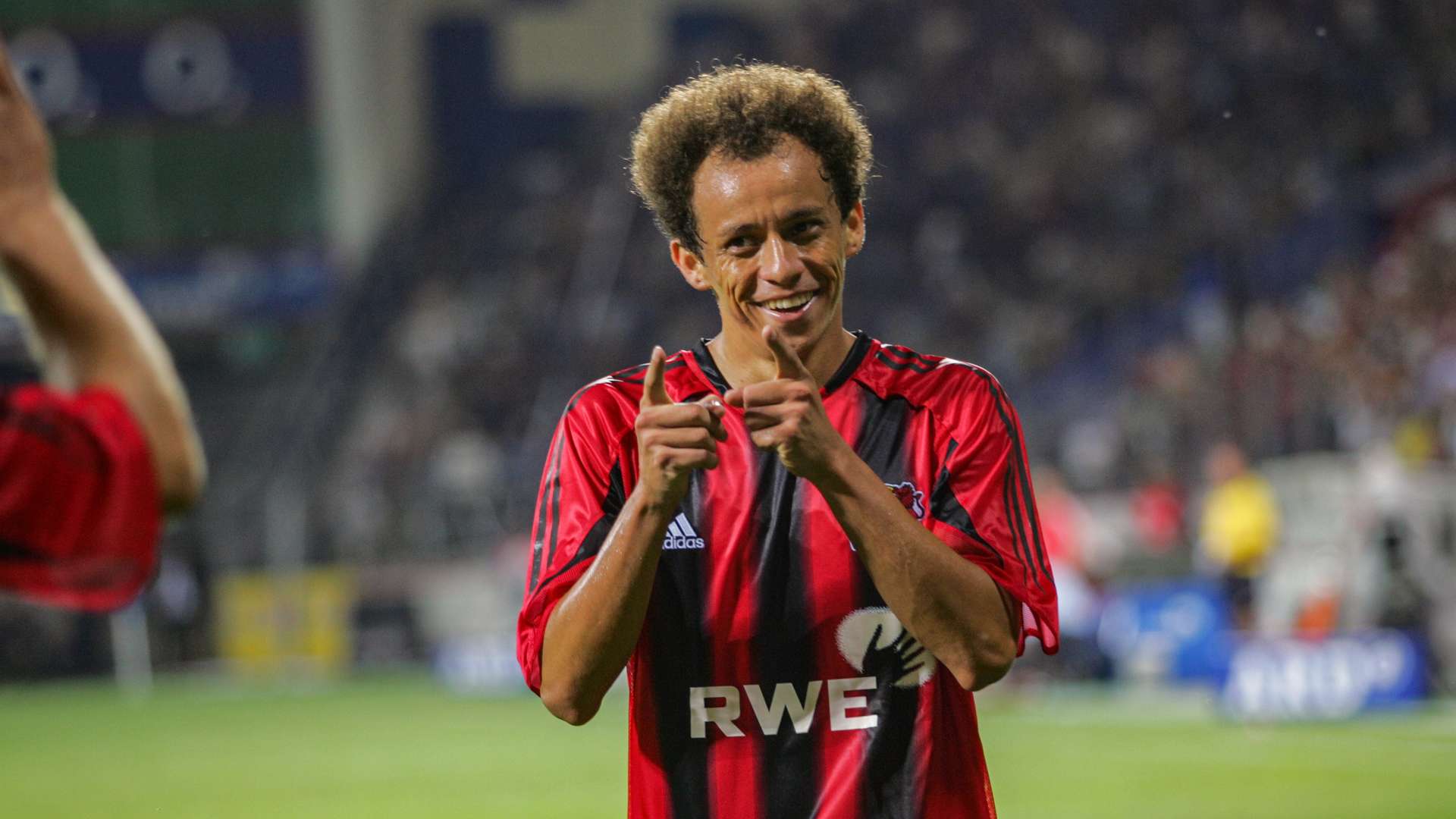
He successfully continued his career there. In 2010, he terminated his contract to end his career. However, he tried one more comeback. Franca made five appearances for the Brazilian club ADRC Icasa before trying his luck again in Japan. He scored his last goal for Yokohama FC and then left the football stage for good in 2011 at the age of 35.
To this day, many Leverkusen fans remember Franca as a technically gifted, goal-scoring striker with typical Brazilian flair - older Bayer 04 fans will remember his dancing celebration after his goals. Today, he lives out of the limelight in Brazil and maintains an intensive dialogue with football fans via his Instagram account.
Dear Franca, I wish you all the best for your 50th birthday. Stay healthy and celebrate.

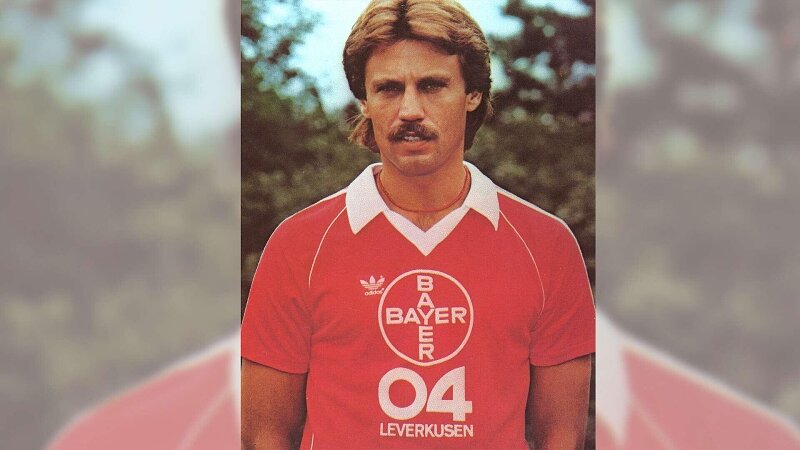
Harry Gniech was born on 14 October 1951 in Leverkusen-Schlebusch. At the age of six, he joined SV Bayer 04, initially in the athletics section. The boy actually wanted to play football, but was only allowed to switch to the football team when he turned nine. Harry quickly established himself as a playmaker in midfield. Despite his talent, the path from the youth team to the first-team squad was a long one back then. In the 1973–74 season, his former U19 coach, Friedhelm Renno – who was by then in charge of Bayer 04’s first team – selected him for his first match with the professional squad.
Show more
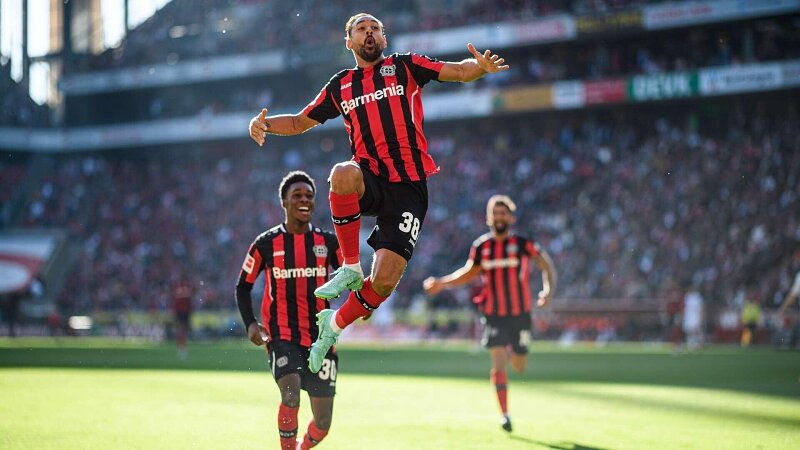
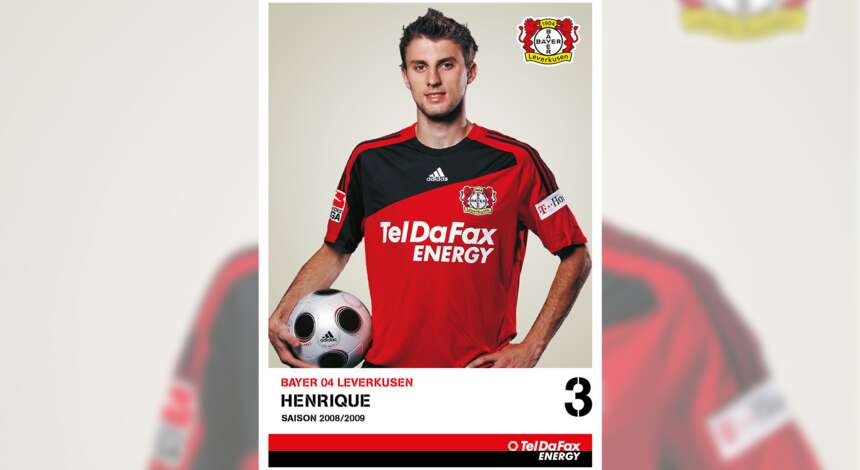
Henrique Adriano Buss, known as Henrique, was born on 14 October 1986 in Marechal Cândido Rondon, a town in the Brazilian state of Paraná. At the age of 13, he joined Coritiba FC and made the step up to the first team in 2006. Henrique helped the team gain promotion to the Brazilian top flight and then moved on to Palmeiras FC. After just five matches for his new club, the 1.85-metre-tall centre-back was signed by Barcelona in 2008 for ten million euros and loaned to Bayer 04 for one year for a fee of €400,000.
Show more
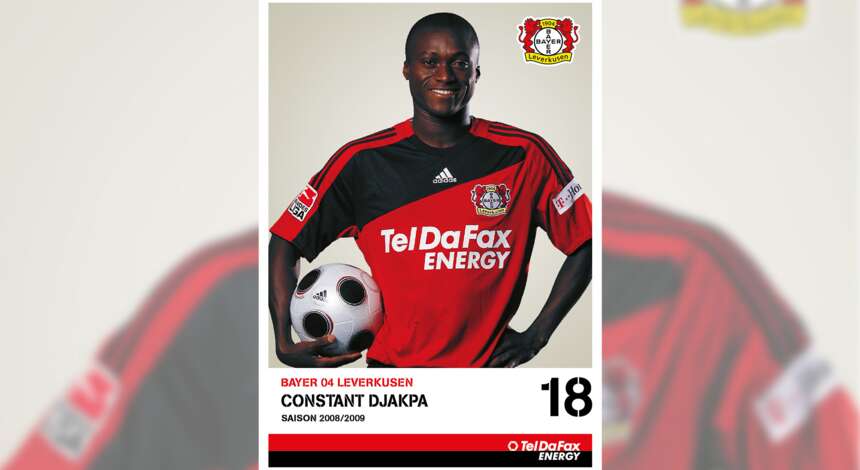
Constant Djakpa was born on 17 October 1986 in Abidjan, Ivory Coast. He started playing football at the age of five. He took his first steps in professional football at Stella Club d’Adjamé, before moving on to Sogndal IL in Norway. His path eventually led him to Germany via the Romanian club Pandurii Târgu Jiu.
Show more
In this video you can see impressive and important goals in the history of Bayer 04 from the month of October. It's not always about the beauty of the goals, but also a reminder of special games and players.
Show more
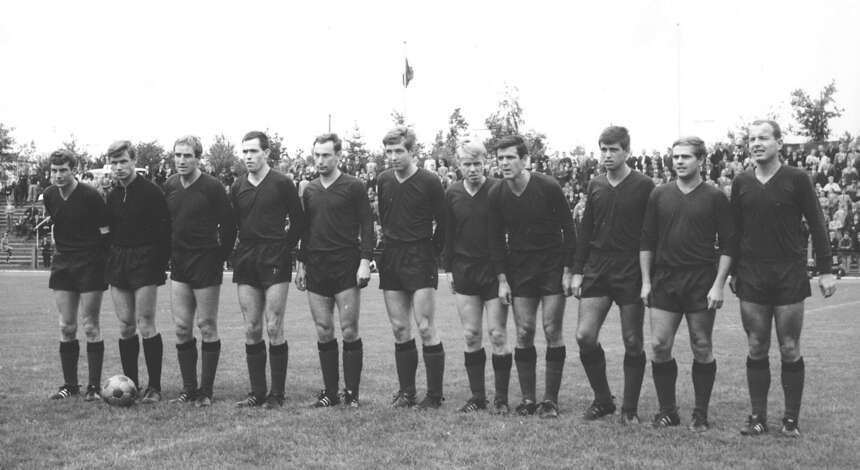
In the first week of October 1966, professional footballers decided to take an unusual step – they went on strike. They felt compelled to resort to this action, which was relatively uncommon until then, to give greater weight to their demands for fair pay. They reasoned that, with three draws, they were entitled to a bonus; at the very least, a points bonus of 75 Deutschmarks that was agreed before the start of the season.
Show more