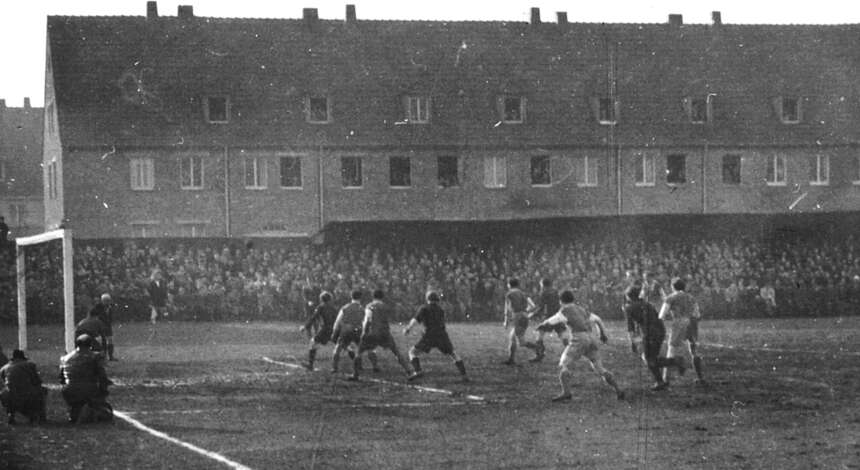
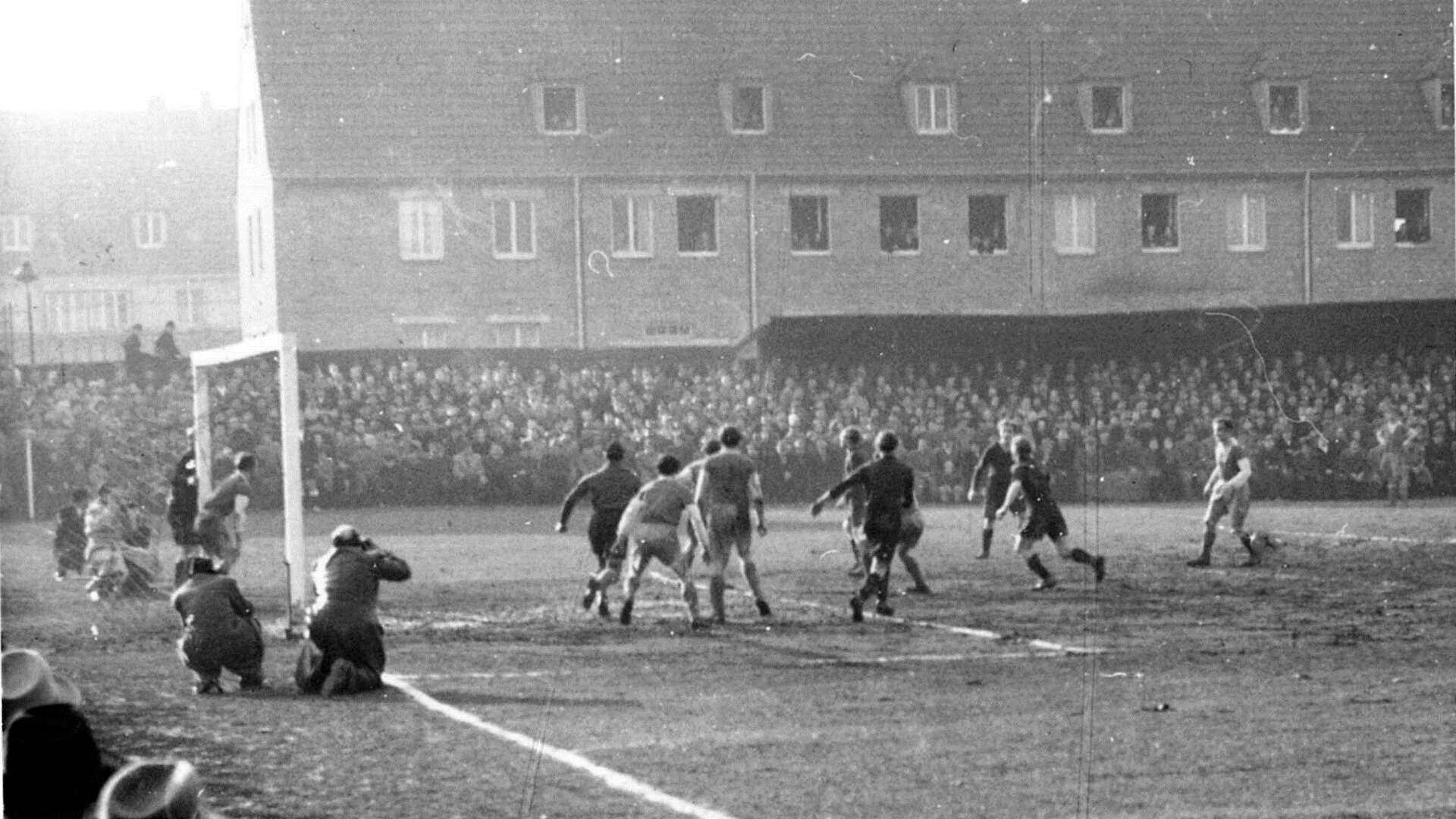
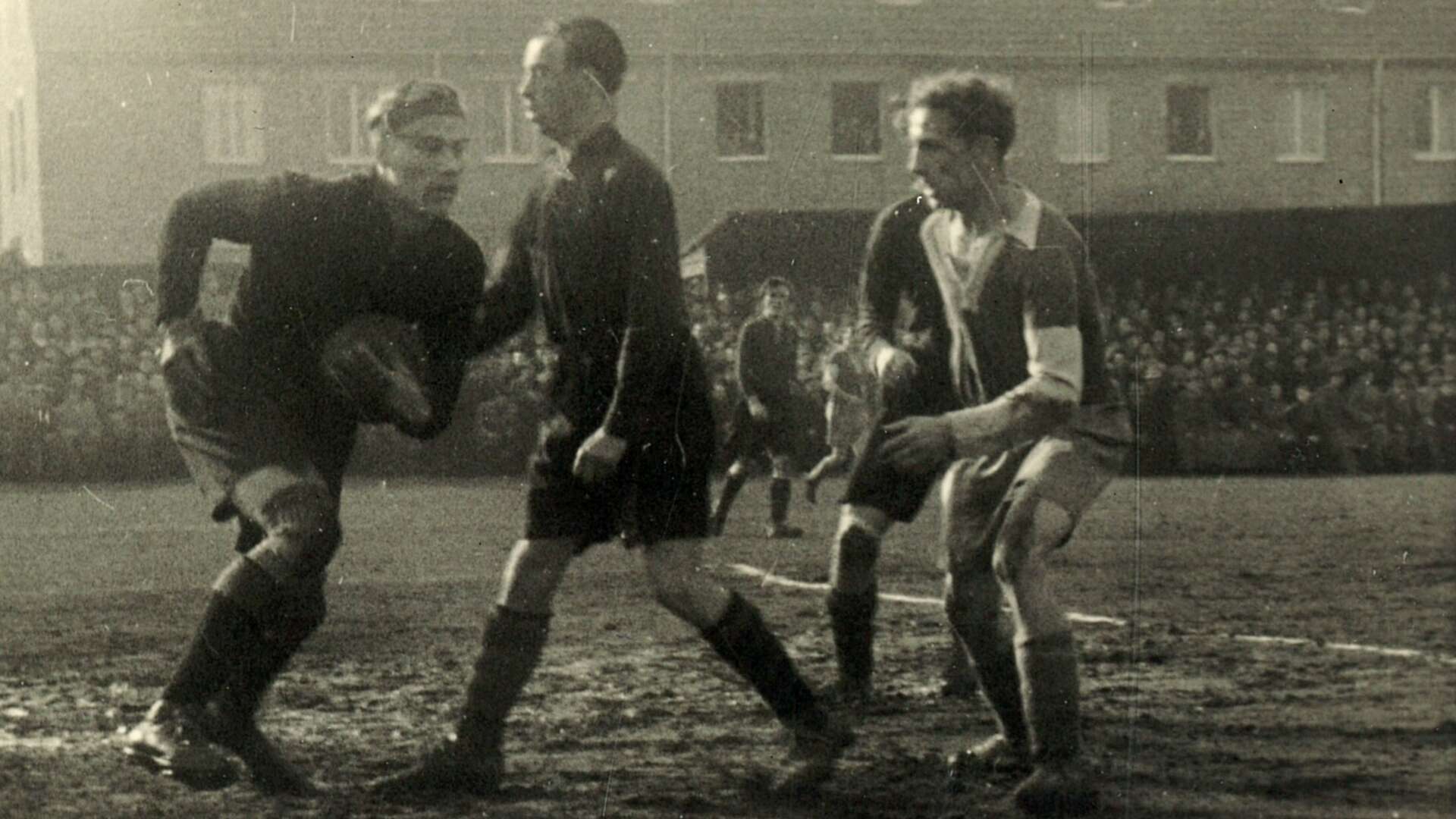
In the end, over 10,000 spectators fill the stands of the stadium. Both teams enter the pitch at 3 pm to thunderous applause. A free-kick by future international Erich Juskowiak causes the first commotion in the Leverkusen penalty area, but then the Bayer team are in the game. First left-winger Paul Wiorek hits the post, then Theo Kirchberg storms down the right in the tenth minute. A Wuppertal defender can only deflect his cross into the path of Paul Wiorek, who dinks the ball high into the Wuppertal net. The Bayer 04 fans go wild and the Werkself are now in their element. Once again, Paul Wiorek hits the post with a long-range shot. In the 29th minute, Hans Flohr made it 2-0 after splendid build-up play by Karl Heinz Spikofski. After half-time, there was plenty of action in the Werkself penalty area. The crossbar was hit once and Bayer 04 defender Jakob Kaiser once again made the clearance for his already beaten keeper Helmut Rennen. The visitors finally pulled a goal back on 74 minutes and the Bayer 04 fans could no longer contain their excitement. When the final whistle sounded, players and spectators were in each other's arms. Because after the third attempt, reaching the First Oberliga West should now only be a matter of weeks away.
14 days later, the Werkself welcome their neighbours from Union Ohligs. The enthusiasm in the city of Leverkusen for their team is great and over 5,000 Bayer 04 fans once again turn up at the Stadtpark. Richard Job converted a penalty after just two minutes to give his side the lead. In the 19th minute, Hans Flohr also increased the lead to 2-0 with a penalty, before the Ohligsers replied shortly afterwards with a goal. When Paul Wiorek restored the two-goal lead with a header in the 32nd minute, everyone at the stadium believed in another win. Union Ohligs opened up the game in the second half, but in the last ten minutes the Werkself really came back into the game and scored the decisive goal at 4-1 through Emil Becks.
On Good Friday, 23 March 1951, the Werkself played a friendly match against the Oberliga Süd club Wormatia Worms. When Bayer 04 finished this match, the fixture list has not yet been finalised and so the match on Easter Sunday is actually very inconvenient. But as the team are in top form and the table situation allows it, the Bayer 04 match committee does not cancel the friendly. However, the Thursday training session has been cancelled to minimise the additional workload on the players.
The Werkself will be travelling to Düsseldorf's Feuerbachstraße on Easter Sunday to play their league match against Turu Düsseldorf. Fans travelling to the game can take a special bus from the Grein travel agency from 1.45 p.m. for three Deutschmarks or travel by train for two Deutschmarks. In the first half, the 3,000 spectators witnessed only a few highlights. In the 23rd minute, Richard Job gave Bayer 04 a 1-0 lead with a free-kick that was perfectly curled over the wall, but the Düsseldorf team missed a great chance to equalise when Peter Röger's penalty hit the post. The radio broadcast starts in the second half. Reporter Kurt Brumme commentates the next 45 minutes live from the stadium on Feuerbachstraße and gives the Bayer 04 fans who have stayed in Leverkusen reason to cheer when he announces the second goal scored by Theo Kirchberg on 55 minutes. Now everything seemed to be sorted, but five minutes later Turu reduced the deficit. From this point on, Bayer's victory was hanging by a thread. But with a lot of luck, the Werkself managed to hold on to the lead.
The Werkself now only needed two points from the remaining four games to secure the title and promotion to the First Oberliga West. And these points are to be gained in April.

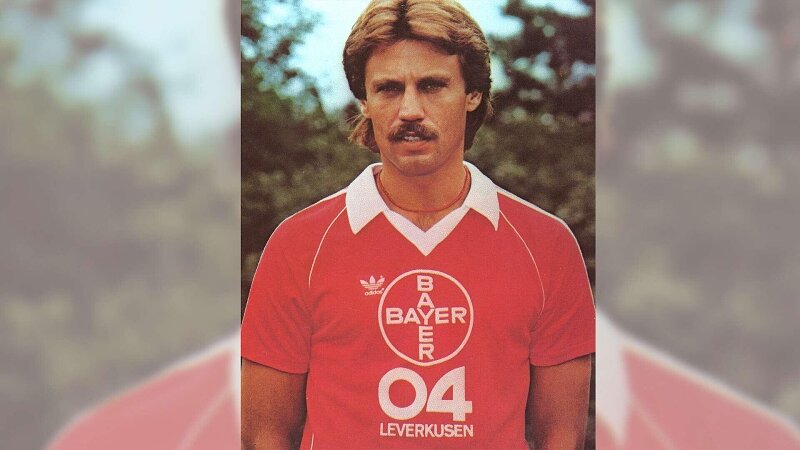
Harry Gniech was born on 14 October 1951 in Leverkusen-Schlebusch. At the age of six, he joined SV Bayer 04, initially in the athletics section. The boy actually wanted to play football, but was only allowed to switch to the football team when he turned nine. Harry quickly established himself as a playmaker in midfield. Despite his talent, the path from the youth team to the first-team squad was a long one back then. In the 1973–74 season, his former U19 coach, Friedhelm Renno – who was by then in charge of Bayer 04’s first team – selected him for his first match with the professional squad.
Show more
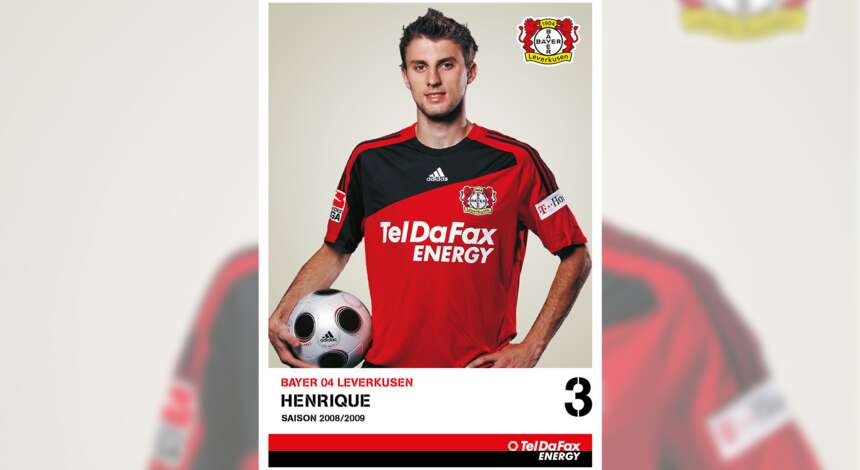
Henrique Adriano Buss, known as Henrique, was born on 14 October 1986 in Marechal Cândido Rondon, a town in the Brazilian state of Paraná. At the age of 13, he joined Coritiba FC and made the step up to the first team in 2006. Henrique helped the team gain promotion to the Brazilian top flight and then moved on to Palmeiras FC. After just five matches for his new club, the 1.85-metre-tall centre-back was signed by Barcelona in 2008 for ten million euros and loaned to Bayer 04 for one year for a fee of €400,000.
Show more
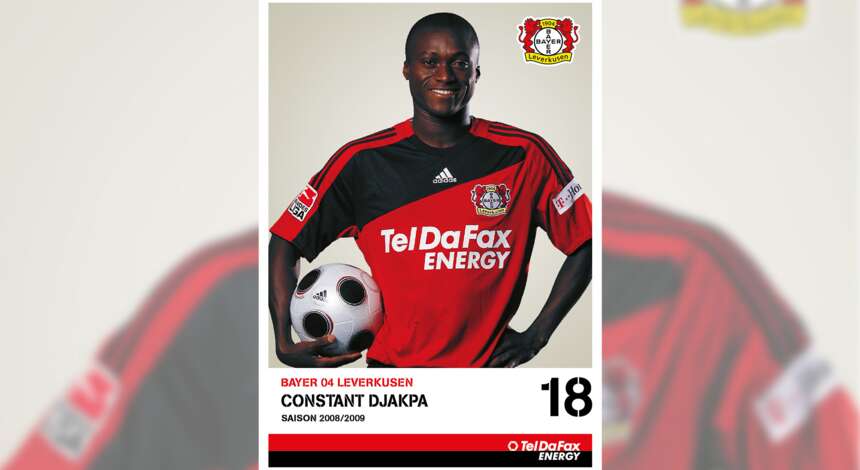
Constant Djakpa was born on 17 October 1986 in Abidjan, Ivory Coast. He started playing football at the age of five. He took his first steps in professional football at Stella Club d’Adjamé, before moving on to Sogndal IL in Norway. His path eventually led him to Germany via the Romanian club Pandurii Târgu Jiu.
Show more
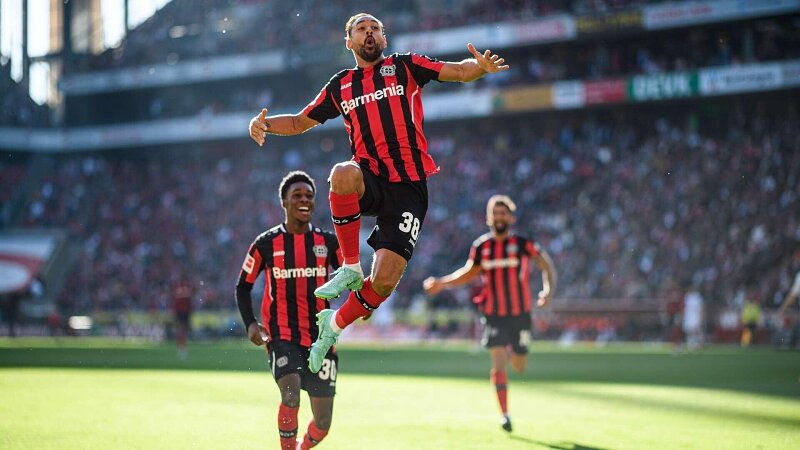
In this video you can see impressive and important goals in the history of Bayer 04 from the month of October. It's not always about the beauty of the goals, but also a reminder of special games and players.
Show more
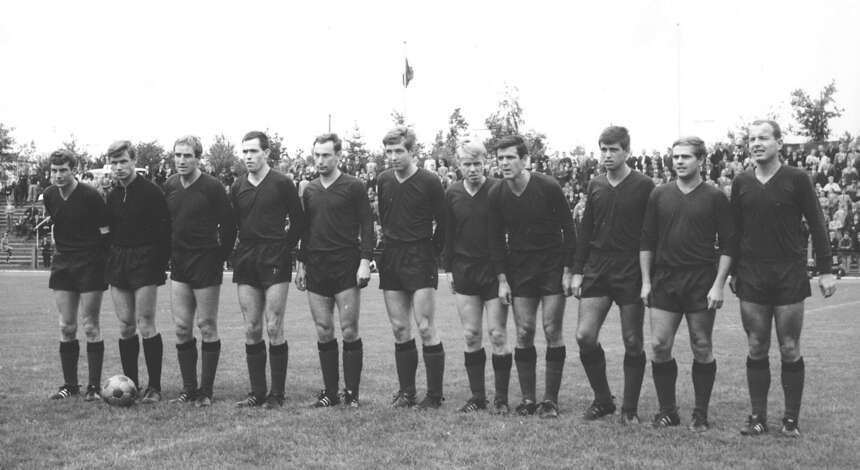
In the first week of October 1966, professional footballers decided to take an unusual step – they went on strike. They felt compelled to resort to this action, which was relatively uncommon until then, to give greater weight to their demands for fair pay. They reasoned that, with three draws, they were entitled to a bonus; at the very least, a points bonus of 75 Deutschmarks that was agreed before the start of the season.
Show more