History: 45 years ago – 1978/79 promotion season (December)
On Saturday, 2 December 1978, Bundesliga 2 northern section leaders Bayer 04 hosted the team sitting third in the southern section, SpVgg Bayreuth, in the third round of the DFB-Pokal.
Yes, I'd like to see videos dispalyed.
The Werkself went into the game with the confidence of an unbeaten team. The decisive goal came in the 14th minute when Klaus Bruckmann slid in a Dieter Herzog cross. Although Leverkusen had the chances to go further ahead before the break through Peter Szech and Herzog, the southern visitors remained dangerous. Bayreuth showed great togetherness at the Ulrich-Haberland-Stadion and upped the pressure on Bayer 04 goalkeeper Fred Bockholt in the second half. It meant fans were left on the edge of their seats till the end.
Ultimately, it was a victory that sent Leverkusen through to the last 16 of the DFB-Pokal for the first time ever. Both coach Willibert Kremer and the players described Bayreuth as their toughest opponent that season. And when Hamburg legend Uwe Seeler then draw TuS Neuendorf as the opponents for the last 16, there was real excitement at the prospect of reaching the quarter-finals against an amateur team.
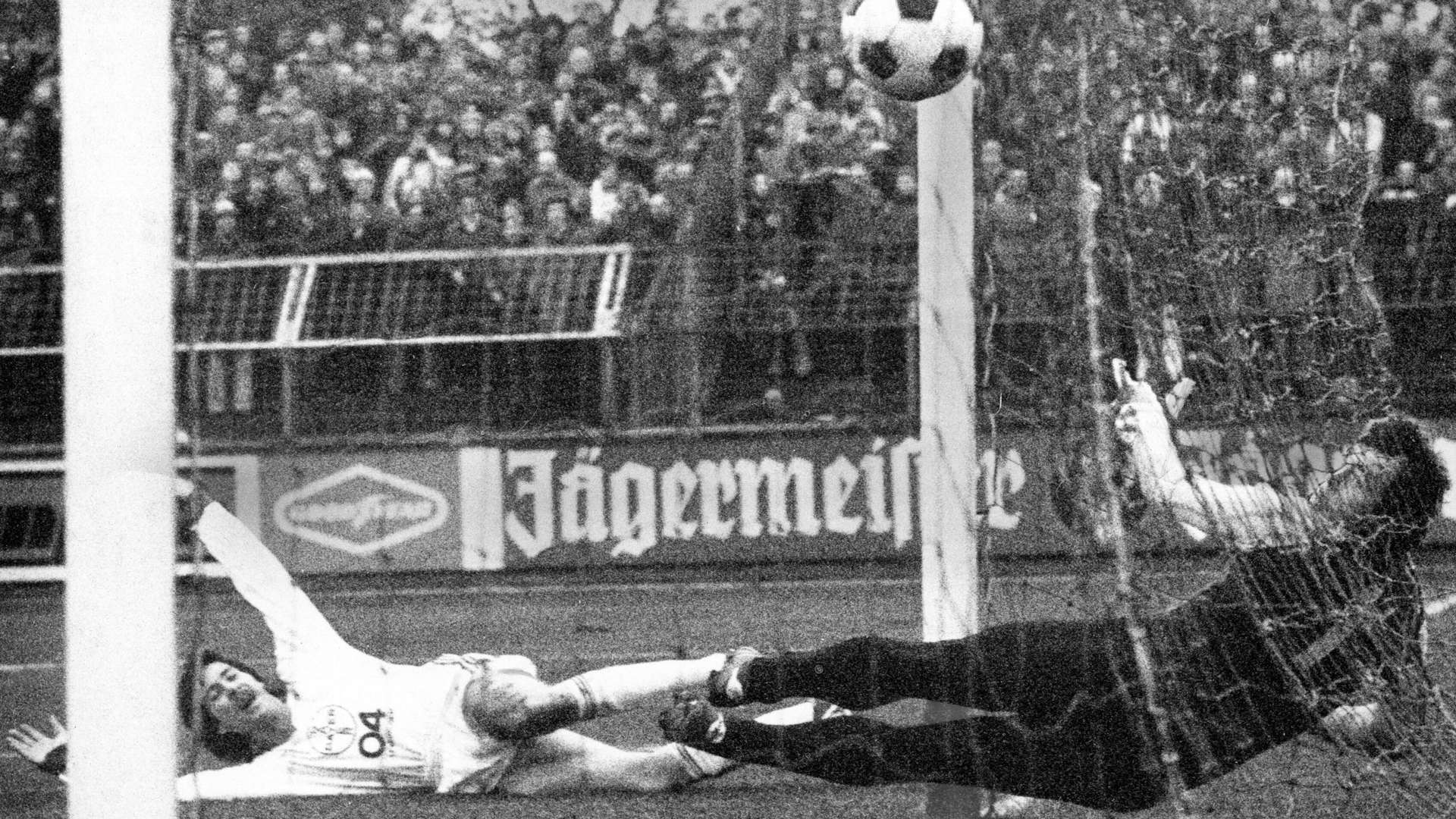
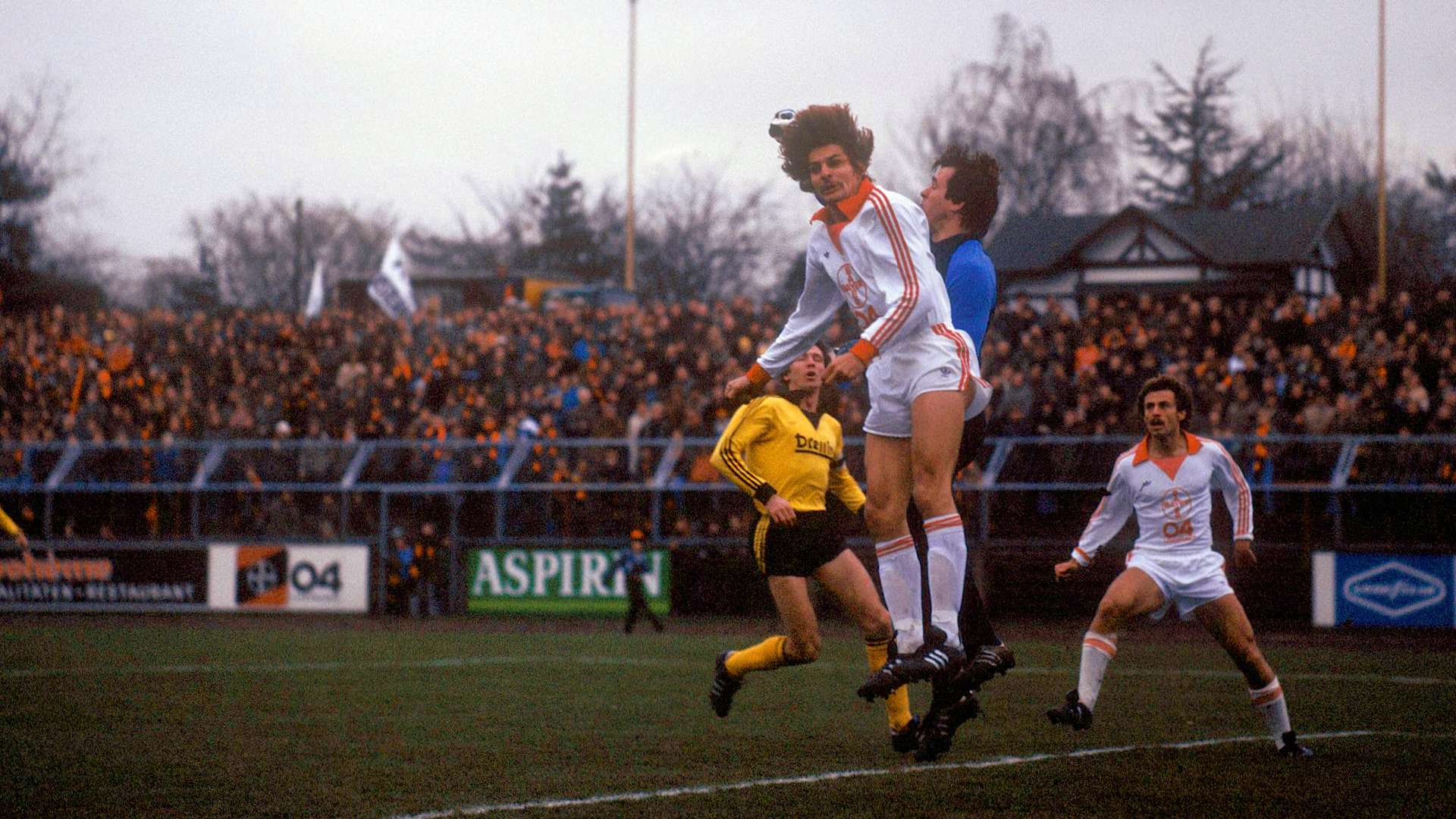
The following week, the Werkself were away at Wattenscheid, who were 10th in the table and only two points above the relegation zone. And once again, the opposition failed to inflict a first defeat on Leverkusen that season. However, Bayer 04 were once again made to sweat on the result before finally securing a point. They had some luck inside the opening four minutes when a Wattenscheid shot hit the bar, but the league leaders soon found their feet and rhythm in the game. Matthias Brücken came on for the injured Hans-Jürgen Scheinert after 27 minutes but was unable to add impetus before the break, with the score remaining 0-0.
Brücken finally broke the deadlock in the 55th minute, with the Werkself looking on course for another win. However, the hosts equalised around 20 minutes later with a shot from the edge of the box. The impressive Bockholt ensured it remained 1-1. The league leaders may not have lost any ground, but they had taken a few knocks.
Here’s highlights from the game!
The home match against Westfalia Herne on 17 December 1978 fell victim to adverse pitch conditions, but important squad decisions were made for the promotion favourites. The contracts of Bruckmann and Thomas Hörster, which were expiring at the end of the season, were extended. President Dr Jürgen Schwericke also extended the contracts of Bockholt, Walter Posner and Brücken, and reached an agreement with coach Kremer and assistant Gerd Kentschke beyond the end of the season.
Bayer 04 Leverkusen went into the winter break as leaders of the Bundesliga 2 north and favourites for promotion.
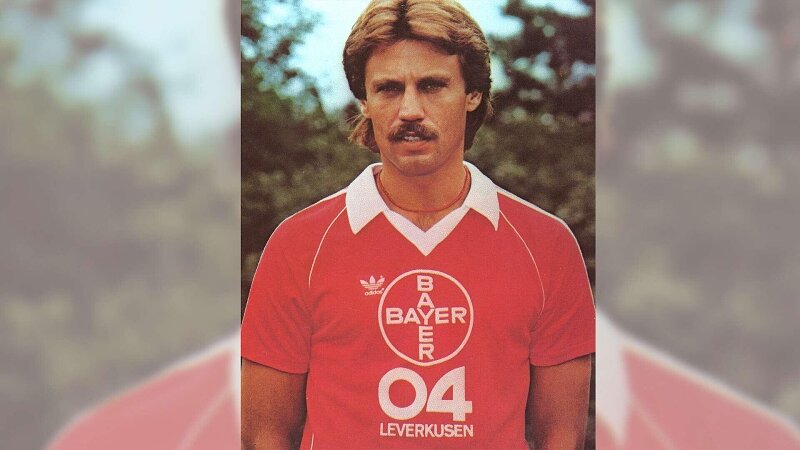
Harry Gniech was born on 14 October 1951 in Leverkusen-Schlebusch. At the age of six, he joined SV Bayer 04, initially in the athletics section. The boy actually wanted to play football, but was only allowed to switch to the football team when he turned nine. Harry quickly established himself as a playmaker in midfield. Despite his talent, the path from the youth team to the first-team squad was a long one back then. In the 1973–74 season, his former U19 coach, Friedhelm Renno – who was by then in charge of Bayer 04’s first team – selected him for his first match with the professional squad.
Show more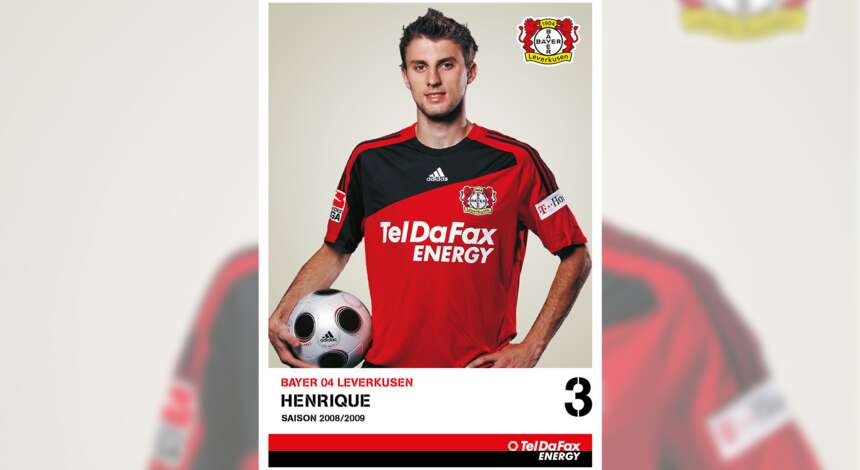
Henrique Adriano Buss, known as Henrique, was born on 14 October 1986 in Marechal Cândido Rondon, a town in the Brazilian state of Paraná. At the age of 13, he joined Coritiba FC and made the step up to the first team in 2006. Henrique helped the team gain promotion to the Brazilian top flight and then moved on to Palmeiras FC. After just five matches for his new club, the 1.85-metre-tall centre-back was signed by Barcelona in 2008 for ten million euros and loaned to Bayer 04 for one year for a fee of €400,000.
Show more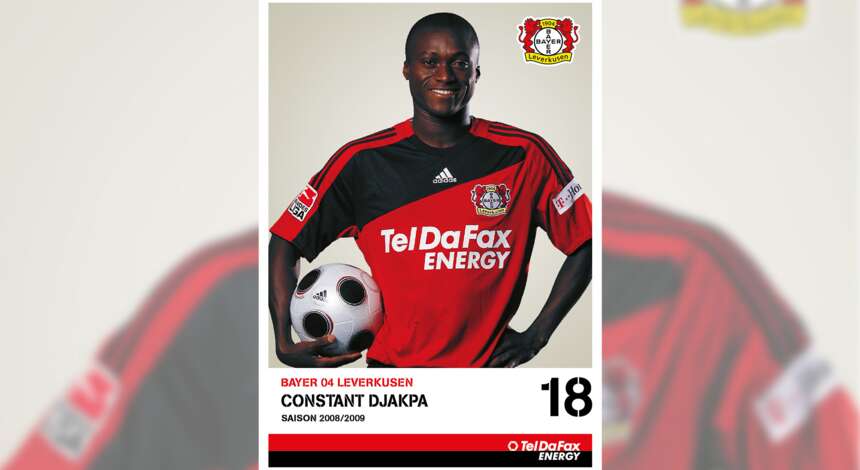
Constant Djakpa was born on 17 October 1986 in Abidjan, Ivory Coast. He started playing football at the age of five. He took his first steps in professional football at Stella Club d’Adjamé, before moving on to Sogndal IL in Norway. His path eventually led him to Germany via the Romanian club Pandurii Târgu Jiu.
Show more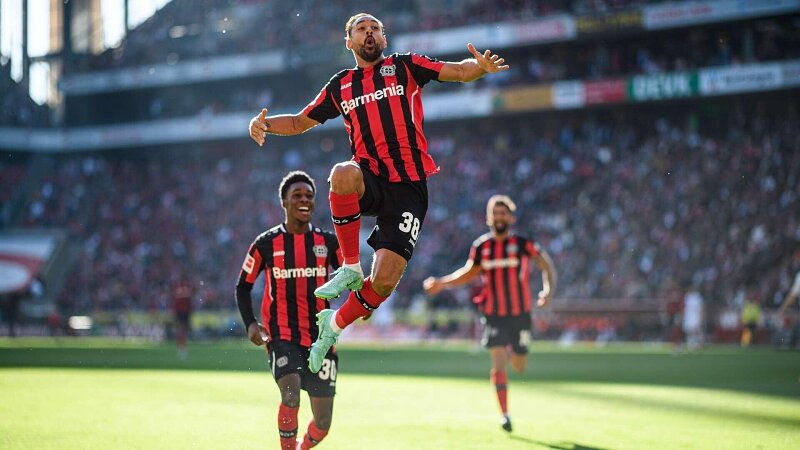
In this video you can see impressive and important goals in the history of Bayer 04 from the month of October. It's not always about the beauty of the goals, but also a reminder of special games and players.
Show more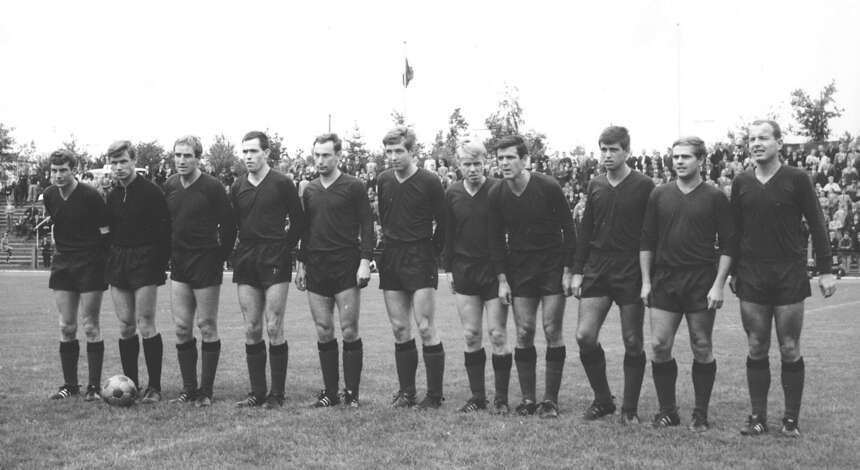
In the first week of October 1966, professional footballers decided to take an unusual step – they went on strike. They felt compelled to resort to this action, which was relatively uncommon until then, to give greater weight to their demands for fair pay. They reasoned that, with three draws, they were entitled to a bonus; at the very least, a points bonus of 75 Deutschmarks that was agreed before the start of the season.
Show more