From the archives: Sensational season 1967/68 – February
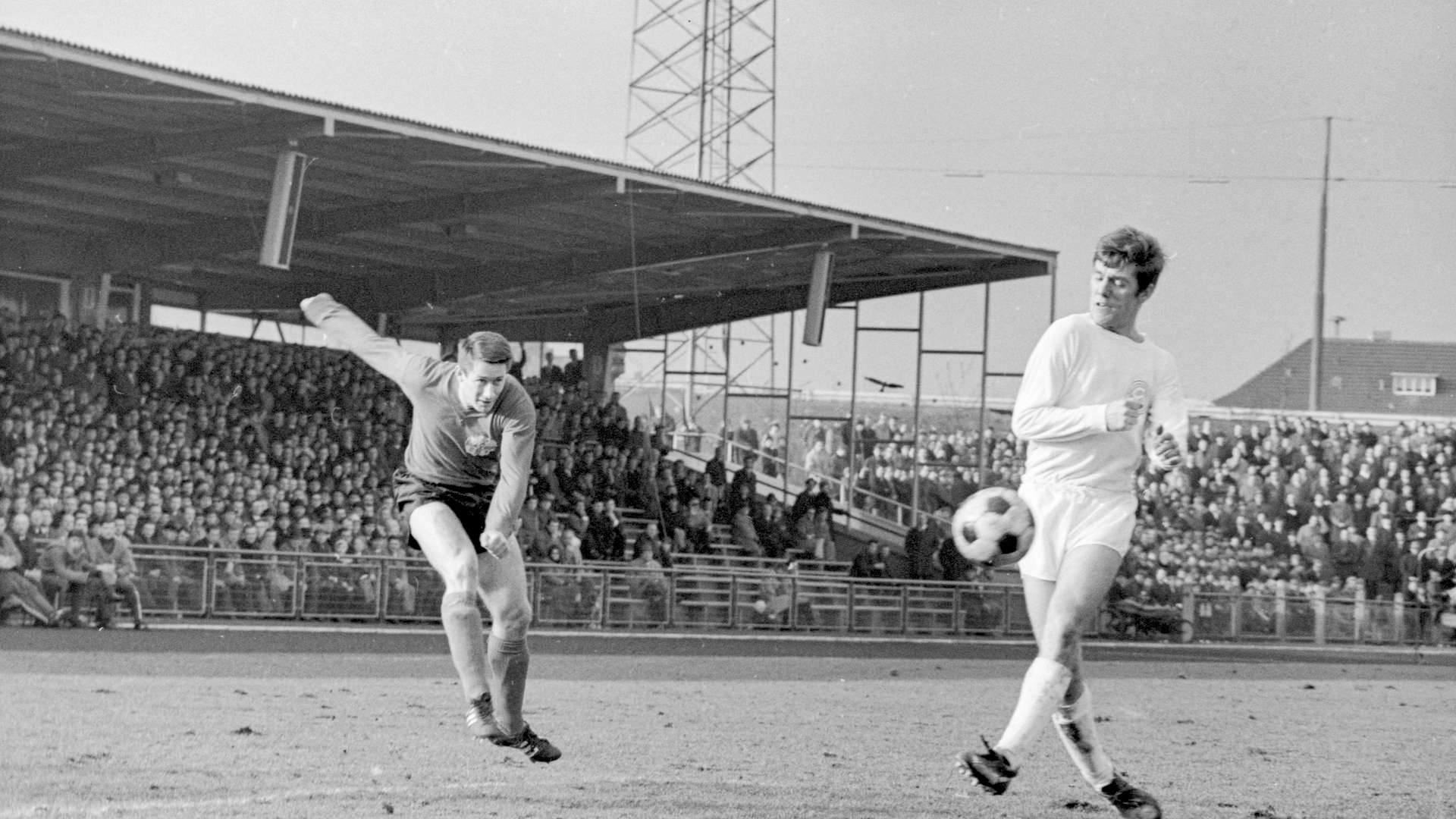
It's Sunday, 4 February 1968. The Bayer team await the Westphalians of TSV Marl-Hüls. The opponents put on a brave performance in front of 6,000 spectators at the Ulrich Haberland Stadium.
Yes, I'd like to see videos dispalyed.
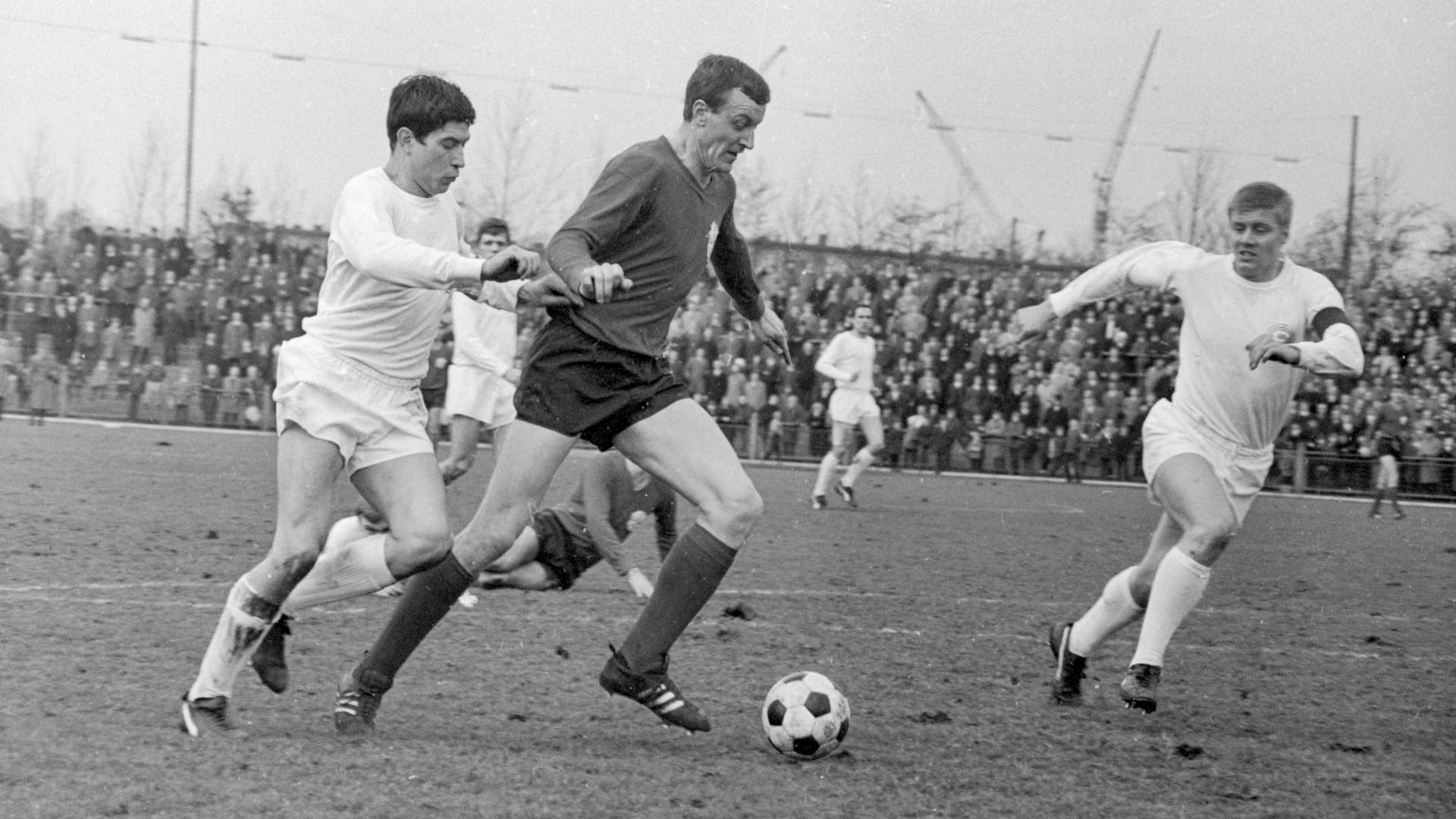
Bayer 04 bombard the opposition goal for over an hour and the keeper Marwig shows what he can do particularly with long-range efforts from the Werkself. Then it finally changes on 67 minutes. Midfielder Helmut Brücken beats three Marl-Hüls players, puts in an accurate cross for Fredi Hennecken and he can choose his corner of the net. The dam is broken: Two minutes later, Günter Haarmann makes it 2-0 from a Klaus Görtz corner. Görtz with the third strike and Helmut Richert with the fourth round off the scoring at 4-0. As the two Rot-Weiß teams from Essen and Oberhausen also win their games, the Kirchberg group maintain a two-point lead.
On 11 February 1968 it's off to Herne to play Westfalia. At the Schloß Strünkede Stadium, the home team fighting relegation, are the underdogs against Bayer 04. And the team with a cross on their chests fulfil their role as favourites. The Werkself deservedly lead 2-0 after 20 minutes with goals from Helmut Richert and Karl-Heinz Brücken. Clearly on top against the opponents, Bayer 04 ease off and the battling Herne team pull a goal back just before half-time. A short and sharp half-time discussion brings the league leaders back to life. Straight after the restart, Richert makes it 3-0 with a shot from the edge of the box. The Herne striker Schubert intercepts a back pass from Helmut Röhrig, beats the keeper Hans Benzler to make it 3-2 with 15 minutes to play giving Westfalia renewed hope. But Bayer 04 are able to see home the victory.
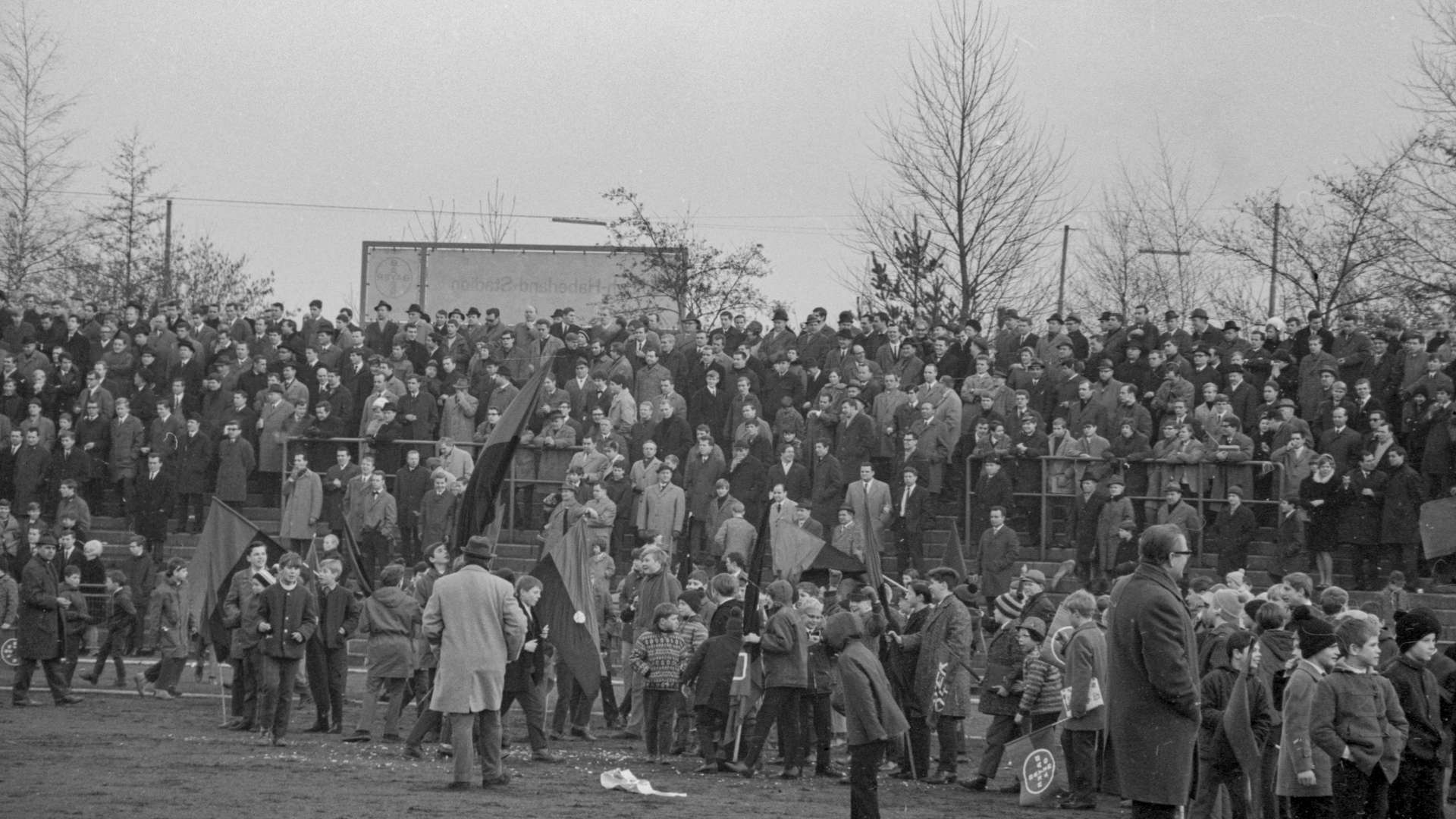
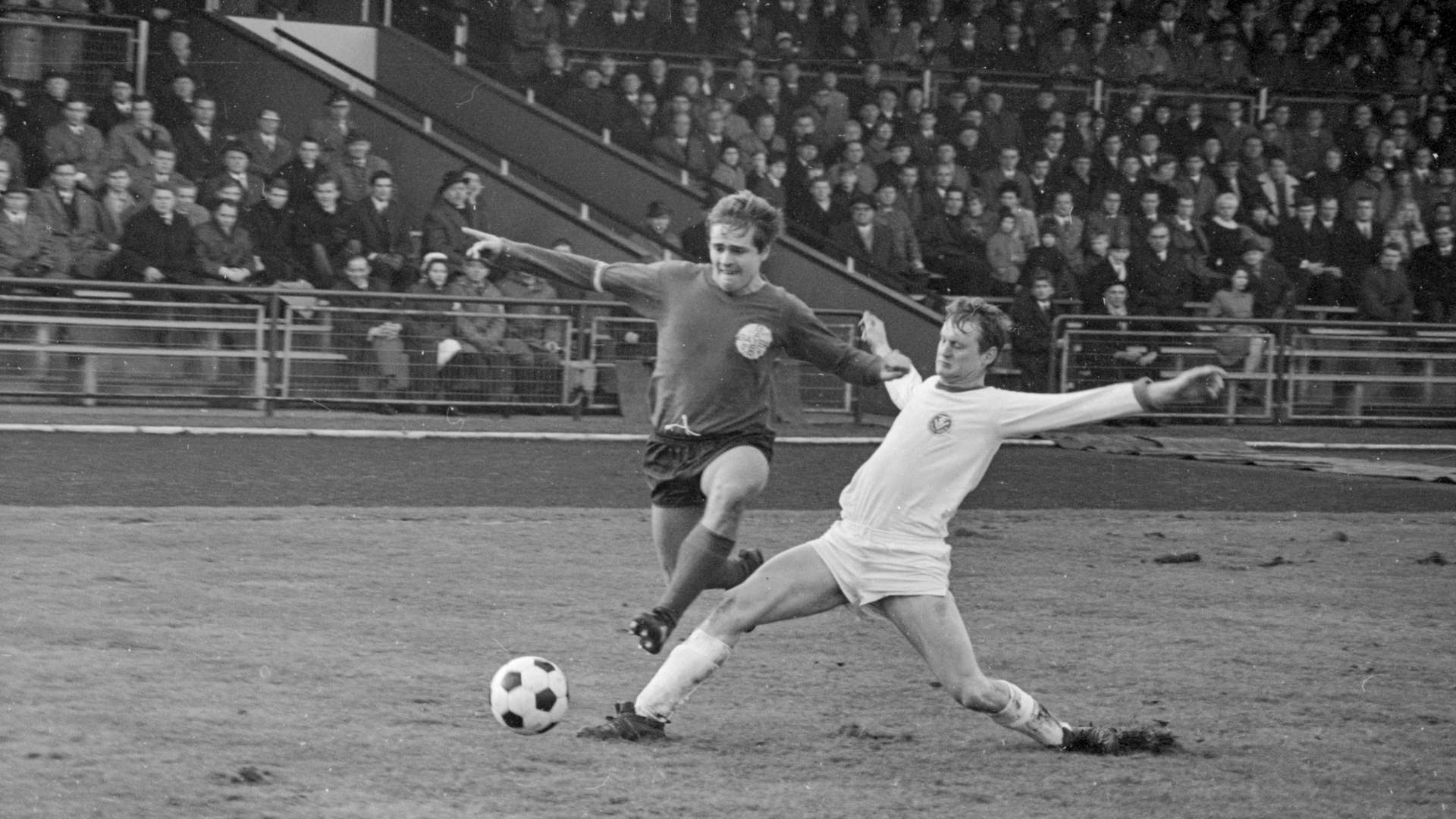
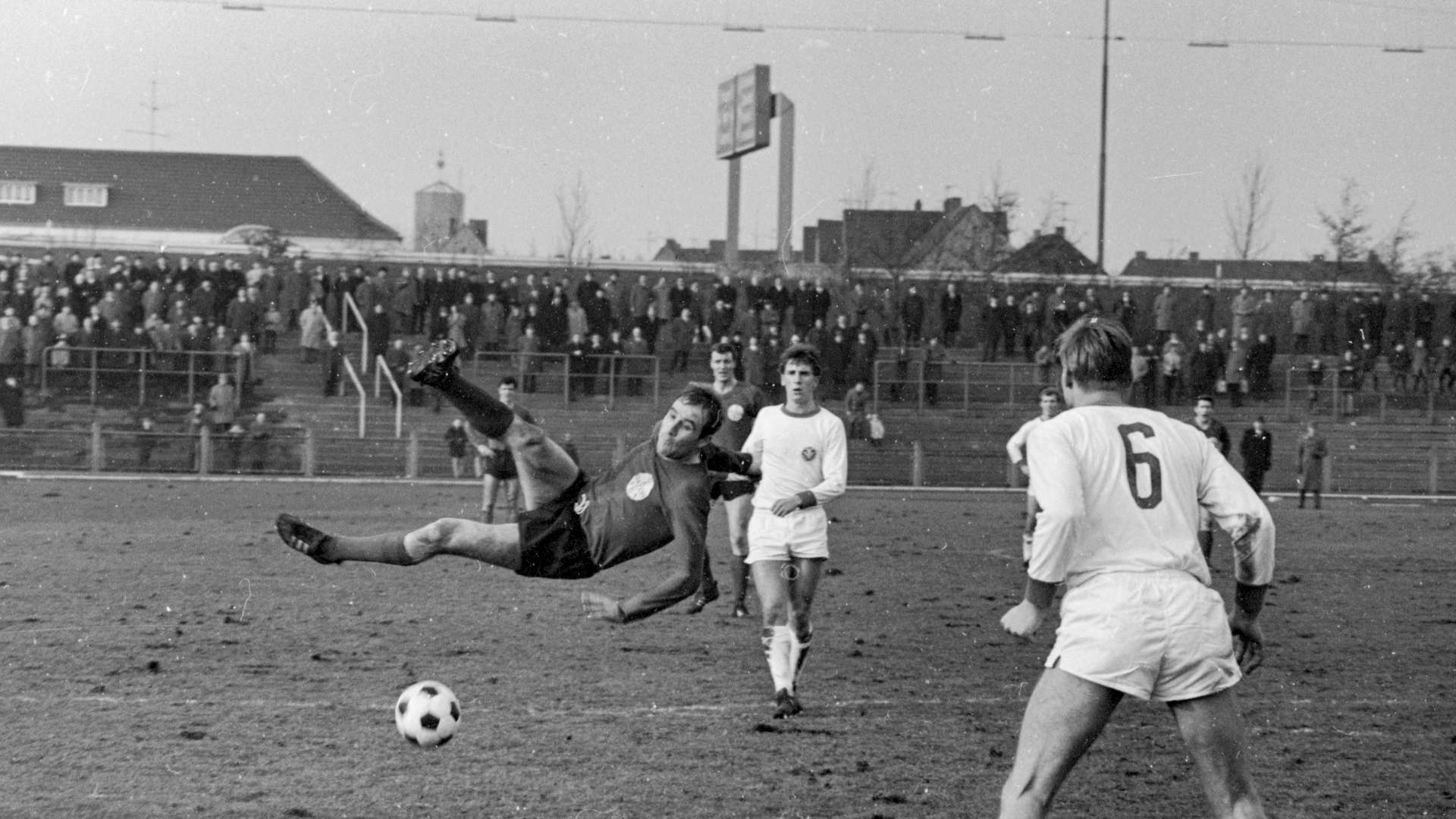
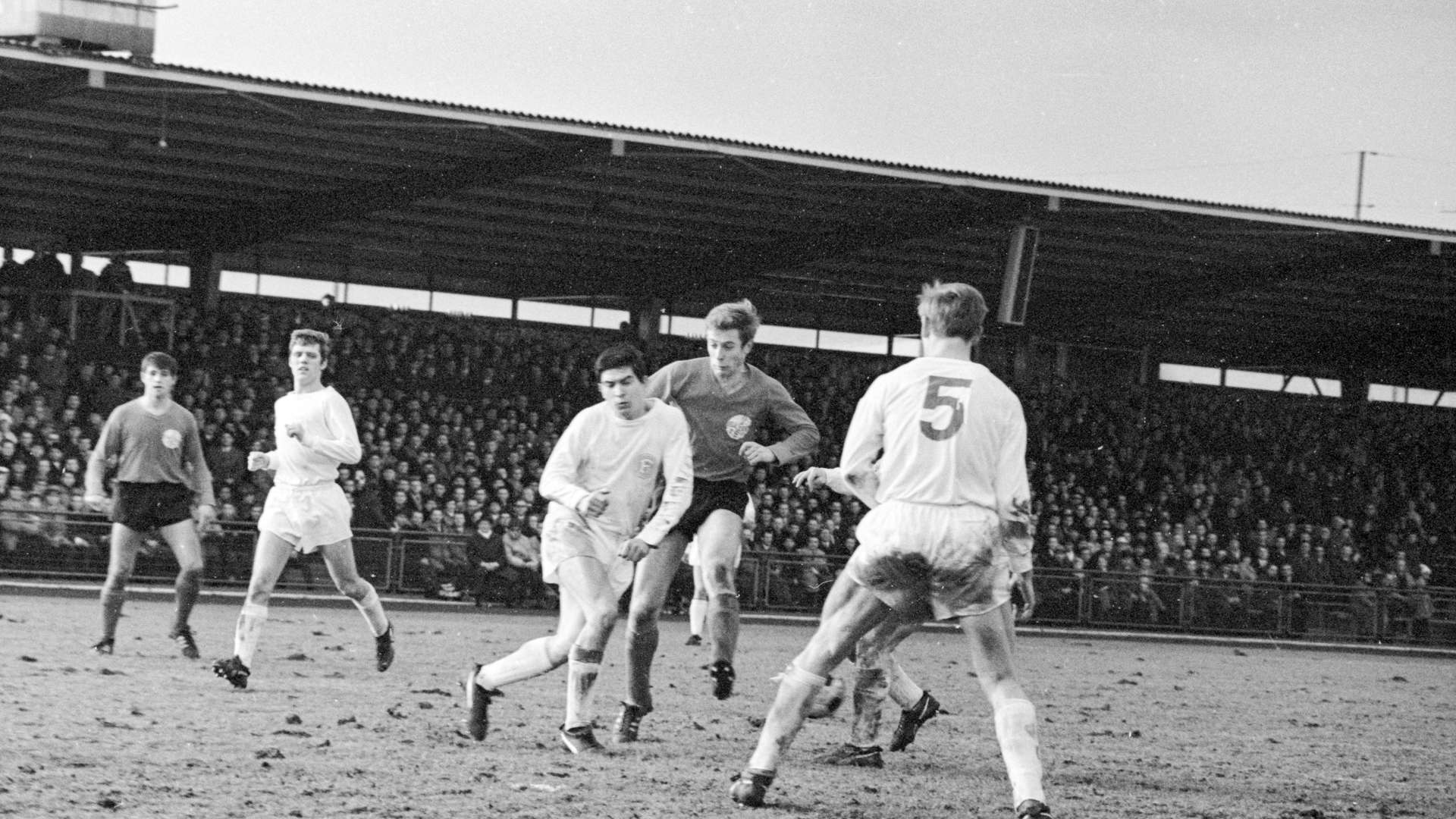
Fifth-placed Fortuna Düsseldorf visit the Ulrich Haberland Stadium a week later. Two goals from centre forward Karl-Heinz Brücken in the first half seal a convincing 2-0 win in front of 11,000 spectators. A well organised defence comfortably maintains the advantage in the second half. When a 2-1 defeat for Rot-Weiß Essen at Victoria Köln is announced over the loudspeakers there is great celebration around the ground. The top of the table is as follows:
1. Bayer 04 (22 games) – 35:9 points
2. RW Oberhausen (23 games) – 33:13 points
3. RW Essen (22 games) – 31:13 points
And March brings the big games against the two direct rivals Oberhausen and Essen as well as a rearranged game at home to Preußen Münster. More on that next month.
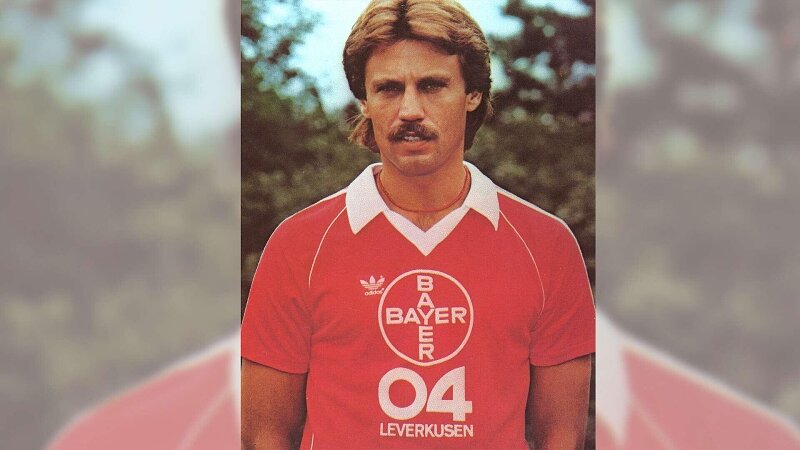
Harry Gniech was born on 14 October 1951 in Leverkusen-Schlebusch. At the age of six, he joined SV Bayer 04, initially in the athletics section. The boy actually wanted to play football, but was only allowed to switch to the football team when he turned nine. Harry quickly established himself as a playmaker in midfield. Despite his talent, the path from the youth team to the first-team squad was a long one back then. In the 1973–74 season, his former U19 coach, Friedhelm Renno – who was by then in charge of Bayer 04’s first team – selected him for his first match with the professional squad.
Show more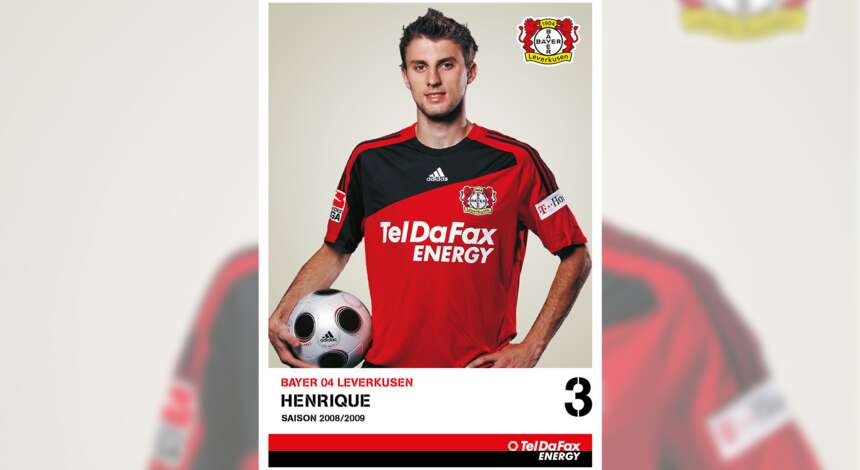
Henrique Adriano Buss, known as Henrique, was born on 14 October 1986 in Marechal Cândido Rondon, a town in the Brazilian state of Paraná. At the age of 13, he joined Coritiba FC and made the step up to the first team in 2006. Henrique helped the team gain promotion to the Brazilian top flight and then moved on to Palmeiras FC. After just five matches for his new club, the 1.85-metre-tall centre-back was signed by Barcelona in 2008 for ten million euros and loaned to Bayer 04 for one year for a fee of €400,000.
Show more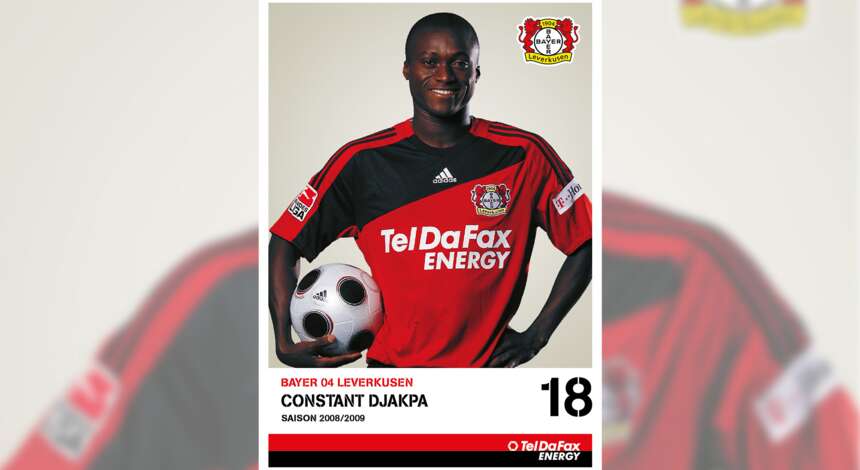
Constant Djakpa was born on 17 October 1986 in Abidjan, Ivory Coast. He started playing football at the age of five. He took his first steps in professional football at Stella Club d’Adjamé, before moving on to Sogndal IL in Norway. His path eventually led him to Germany via the Romanian club Pandurii Târgu Jiu.
Show more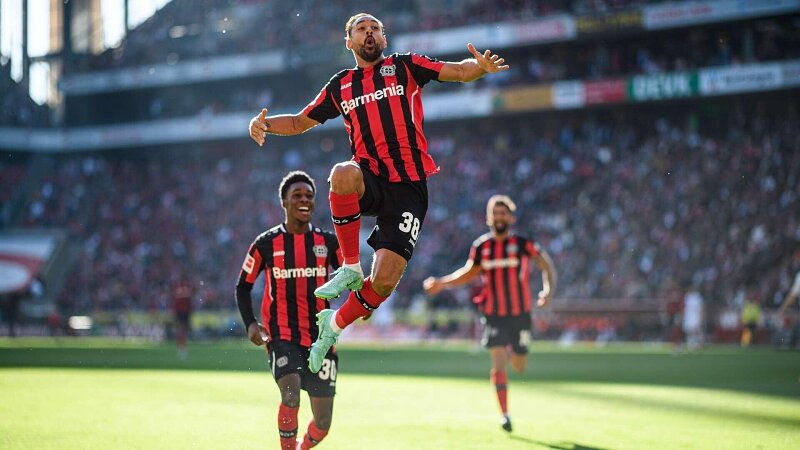
In this video you can see impressive and important goals in the history of Bayer 04 from the month of October. It's not always about the beauty of the goals, but also a reminder of special games and players.
Show more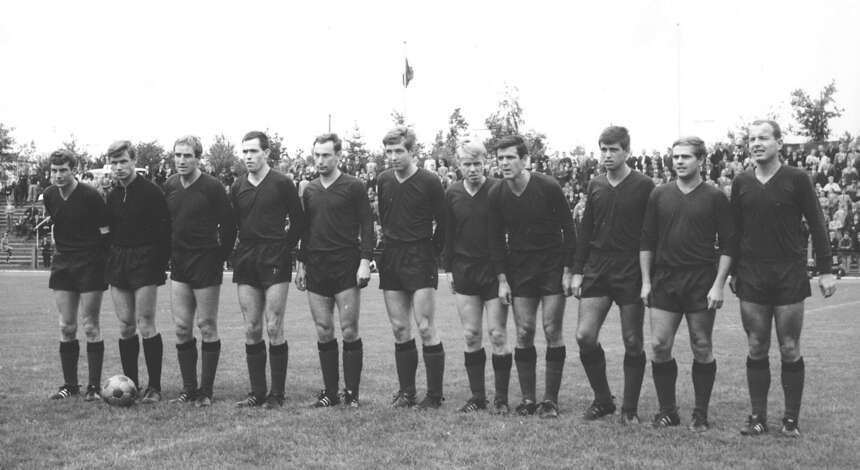
In the first week of October 1966, professional footballers decided to take an unusual step – they went on strike. They felt compelled to resort to this action, which was relatively uncommon until then, to give greater weight to their demands for fair pay. They reasoned that, with three draws, they were entitled to a bonus; at the very least, a points bonus of 75 Deutschmarks that was agreed before the start of the season.
Show more