The board see themselves vindicated, despite animosity from spectators and newspapers, by holding on to Kirchberg and having gone into the season with a lot of young and very inexperienced players in the squad. At the same time, in the home game against Lüner SV on 7 December 1969 there are still six players in the line-up from the Regional League West championship winning side of 1968 in the shape of Willy Haag, Günther Haarmann, Helmut Röhrig, Karl-Heinz Brücken, Fredi Hennecken and Friedhelm Strzelczyk.
Lüner SV come to the Ulrich Haberland Stadium in sixth place in the table. The team from Westphalia have not lost any of the last eight games and have bags of confidence. The Werkself, with the young keeper Dieter Ferner, who later played in the Bundesliga for FC Saarbrücken and in the USA with Chicago Sting the champions in 1981, take the lead in front of 3,500 spectators on three minutes with a headed goal scored by Hans Dieter Schäde from a cross by Friedhelm Strzelczyk. At the start of the season, the lively right winger was seen as "the one-eyed man, king in the land of the blind", as Strelli, as his teammates called him, only had one healthy eye. The other is a glass eye that he takes out when playing cards to have a "look" into the other players’ hands.
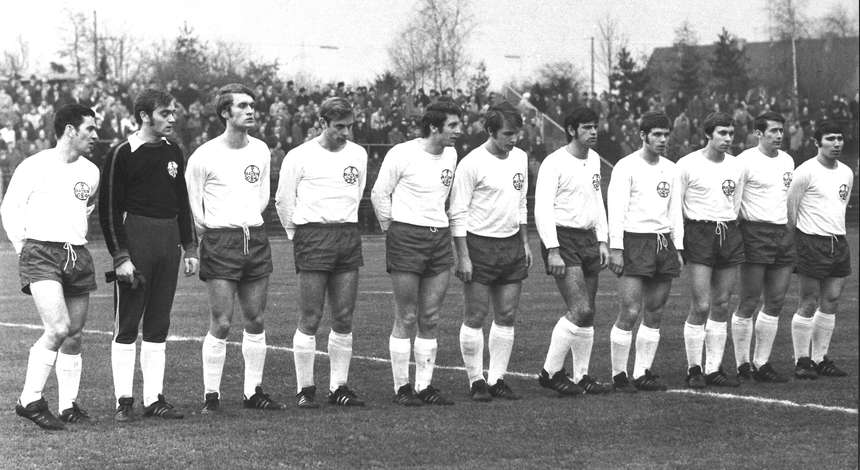
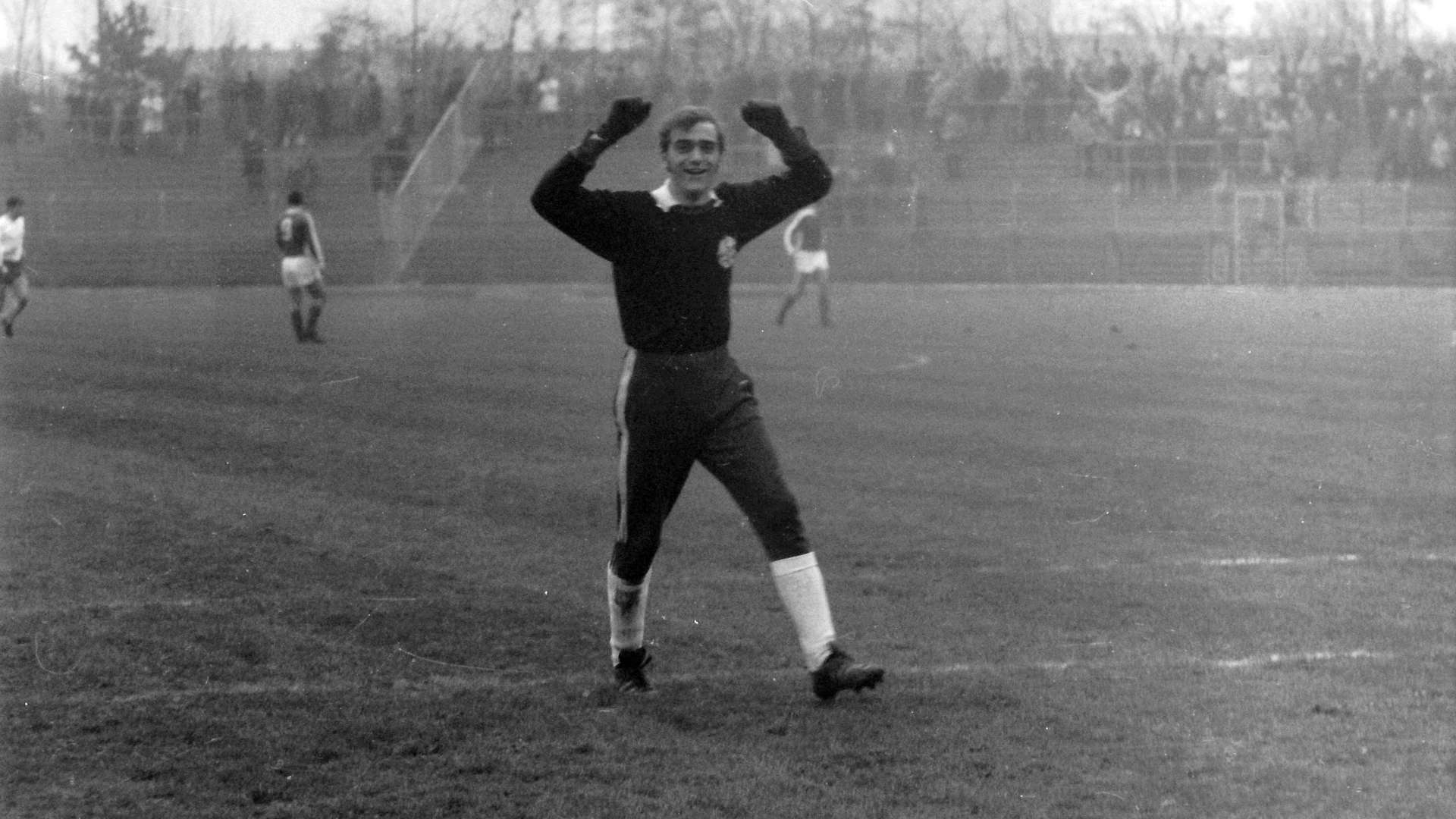
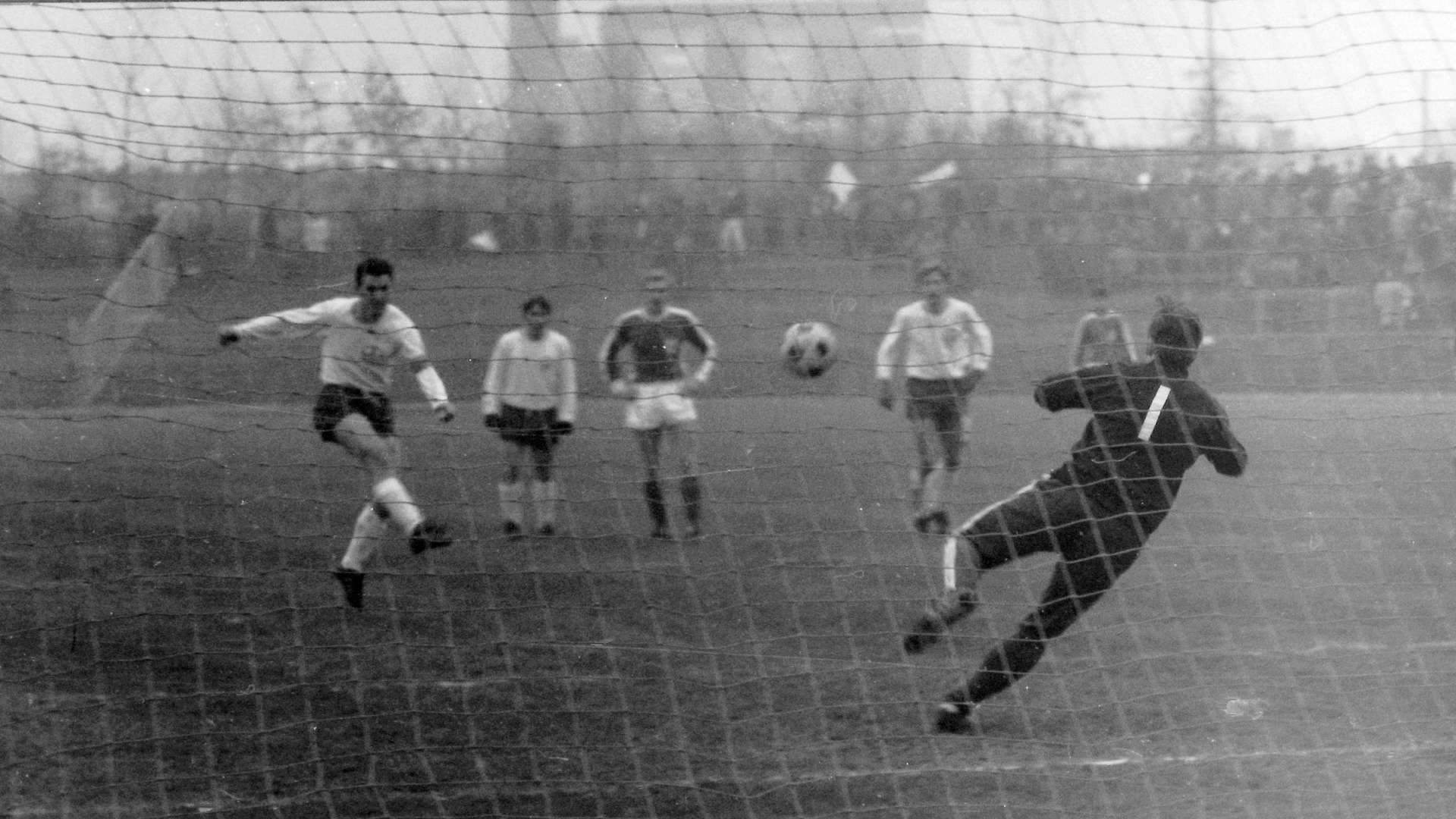
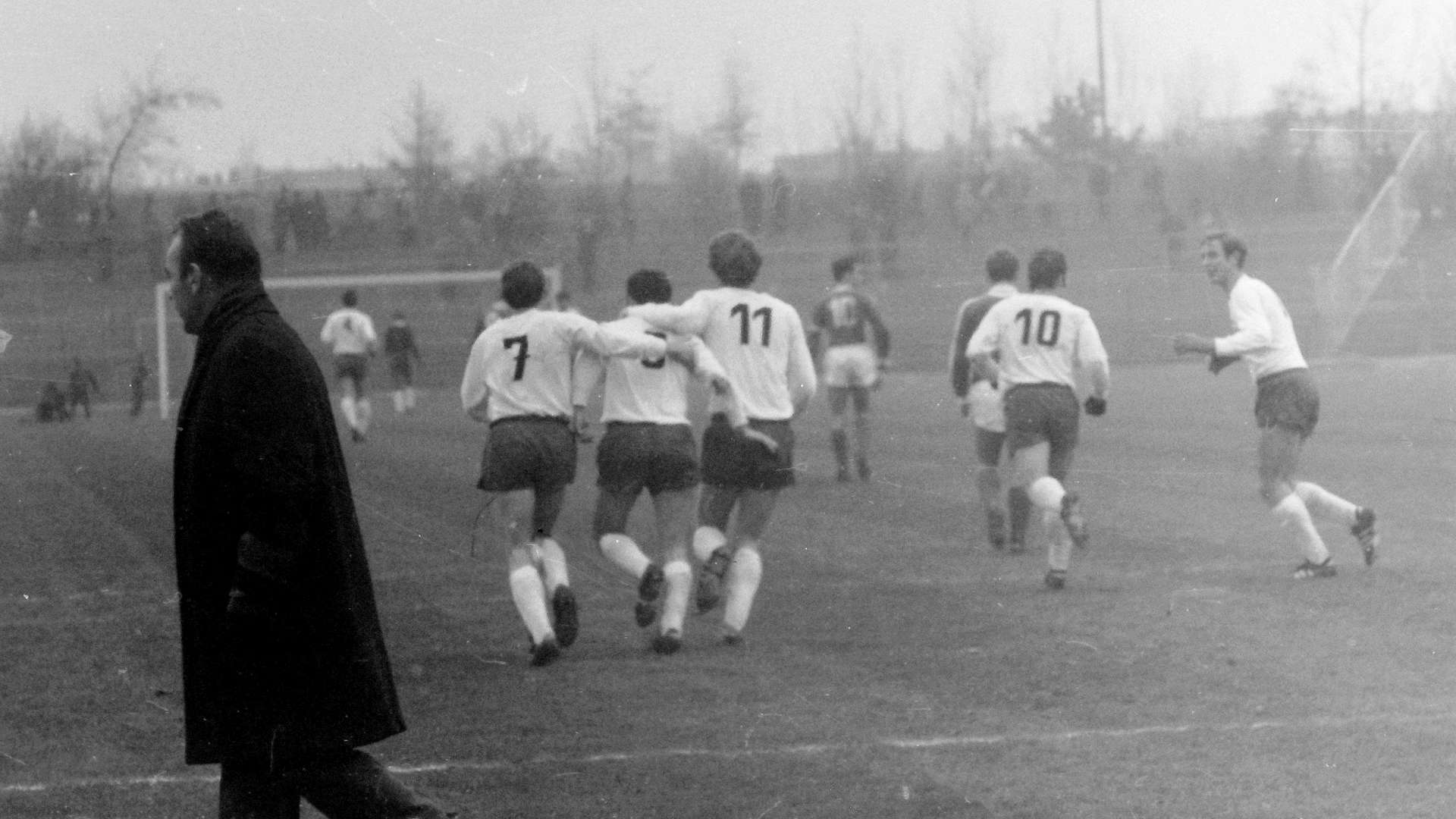
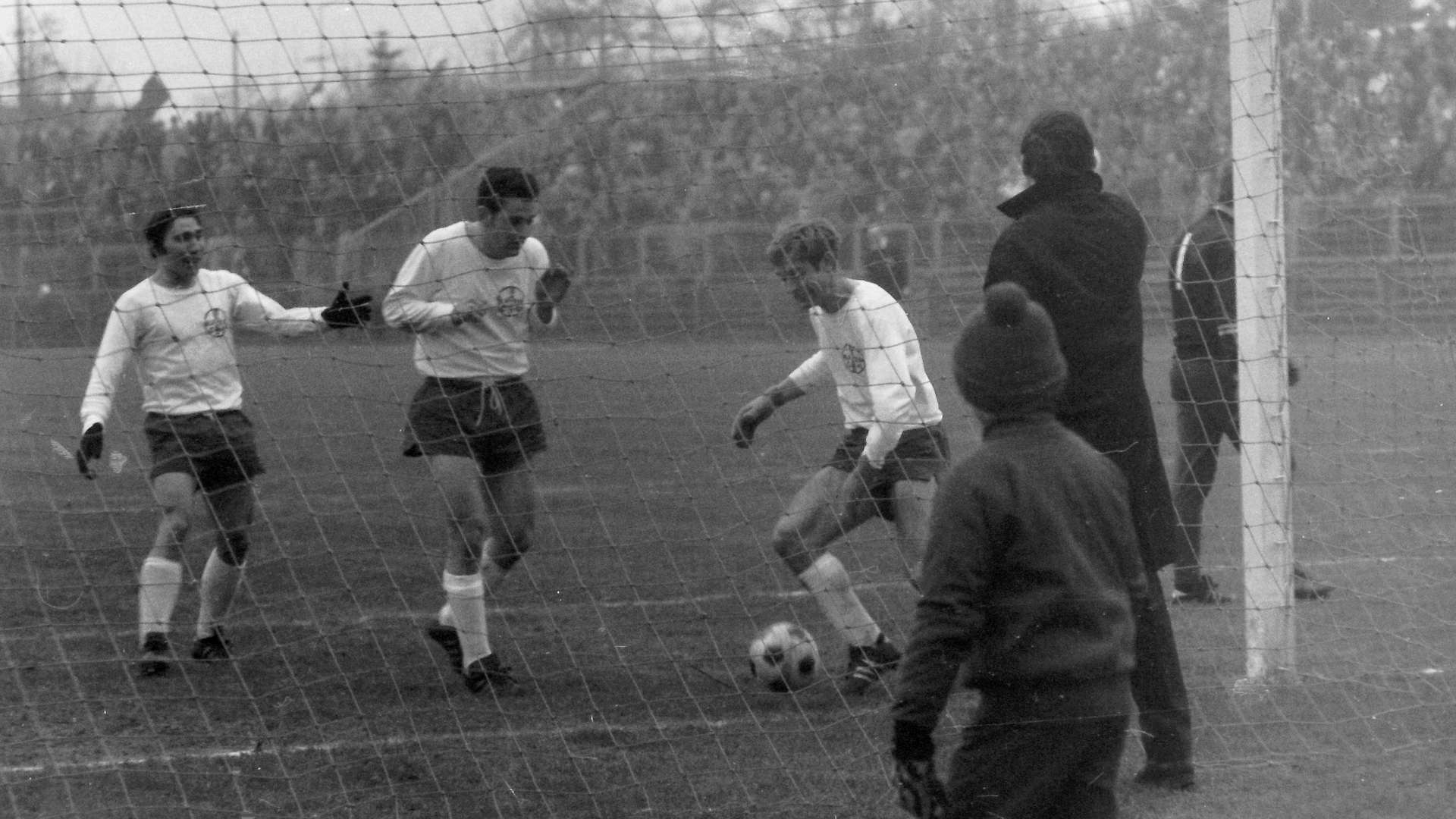
Whoever thought the fast goal would give the Bayer team a real boost was disappointed. The visitors were the better team and had three big chances. Shortly before half-time, centre-forward Karl-Heinz Brücken headed in a fine cross from Hans Dieter Schäde to take a 2-0 lead into the break. At the start of the second half, on 46 minutes, the Lüner sweeper Dieter Zorc, father of the long-standing Dortmund Bundesliga player and manager Michael Zorc, handled the ball in the penalty area. Fredi Hennecken fires the ball from the spot into the roof of the net – 3-0. Bayer 04 now dominate the ball and the opponents. And Lüner SV are downhearted 15 minutes later when Werner Thies converts another cross from Friedhelm Strzelczyk to make it 4-0. A bigger win is missed out on in the last 30 minutes because good chances for Hans Dieter Schäde and Fredi Hennecken go begging.
After that win and a mid-table position of eleventh, the Bayer 04 officials are very confident looking to the future. In the last two matches before Christmas, the Werkself lose 3-1 in Bielefeld but are able to secure their position a week later with a 1-0 home win against SSV Velbert. The spectre of relegation is slowly driven out of the Ulrich Haberland Stadium.

Harry Gniech was born on 14 October 1951 in Leverkusen-Schlebusch. At the age of six, he joined SV Bayer 04, initially in the athletics section. The boy actually wanted to play football, but was only allowed to switch to the football team when he turned nine. Harry quickly established himself as a playmaker in midfield. Despite his talent, the path from the youth team to the first-team squad was a long one back then. In the 1973–74 season, his former U19 coach, Friedhelm Renno – who was by then in charge of Bayer 04’s first team – selected him for his first match with the professional squad.
Show more
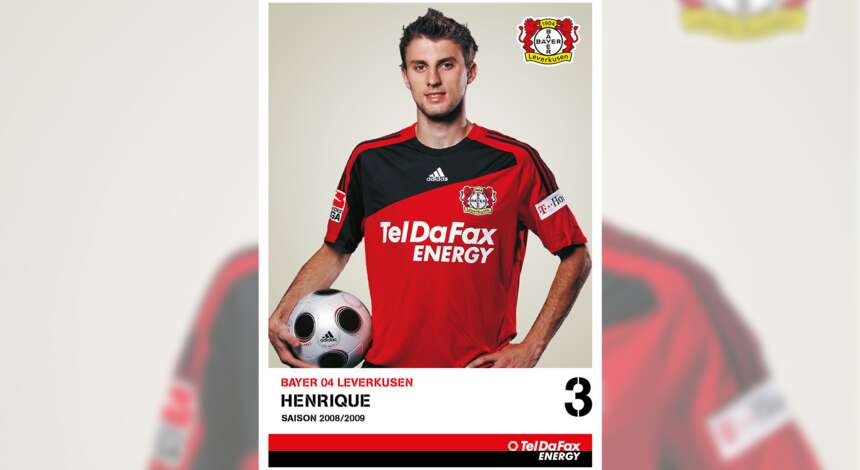
Henrique Adriano Buss, known as Henrique, was born on 14 October 1986 in Marechal Cândido Rondon, a town in the Brazilian state of Paraná. At the age of 13, he joined Coritiba FC and made the step up to the first team in 2006. Henrique helped the team gain promotion to the Brazilian top flight and then moved on to Palmeiras FC. After just five matches for his new club, the 1.85-metre-tall centre-back was signed by Barcelona in 2008 for ten million euros and loaned to Bayer 04 for one year for a fee of €400,000.
Show more
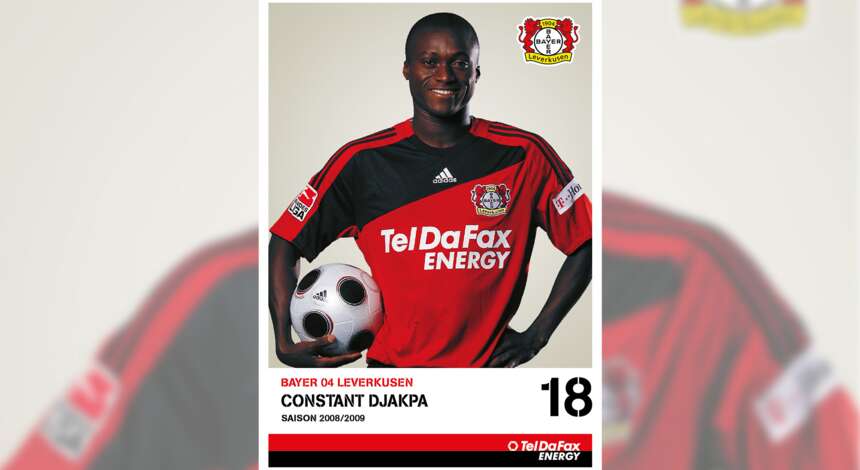
Constant Djakpa was born on 17 October 1986 in Abidjan, Ivory Coast. He started playing football at the age of five. He took his first steps in professional football at Stella Club d’Adjamé, before moving on to Sogndal IL in Norway. His path eventually led him to Germany via the Romanian club Pandurii Târgu Jiu.
Show more
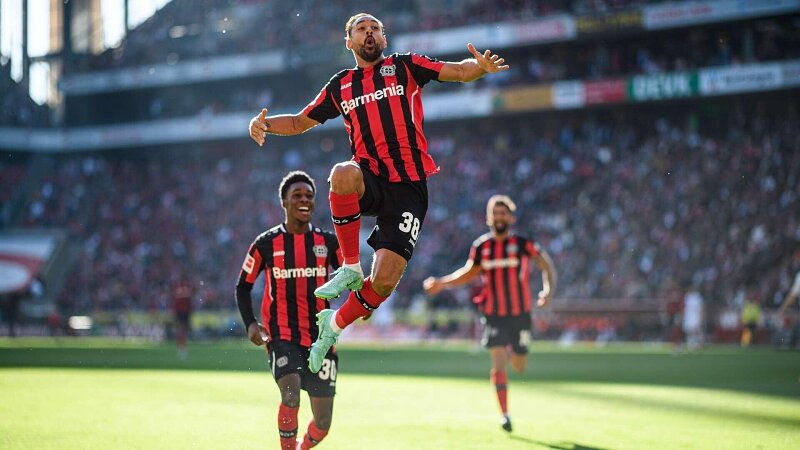
In this video you can see impressive and important goals in the history of Bayer 04 from the month of October. It's not always about the beauty of the goals, but also a reminder of special games and players.
Show more
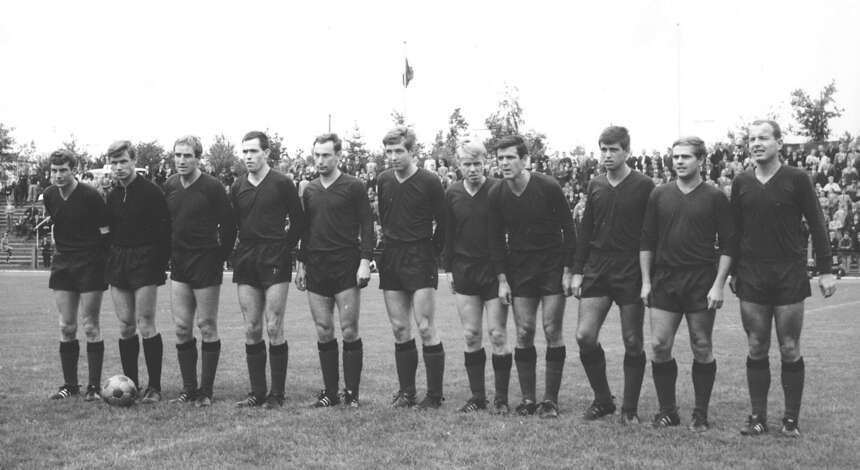
In the first week of October 1966, professional footballers decided to take an unusual step – they went on strike. They felt compelled to resort to this action, which was relatively uncommon until then, to give greater weight to their demands for fair pay. They reasoned that, with three draws, they were entitled to a bonus; at the very least, a points bonus of 75 Deutschmarks that was agreed before the start of the season.
Show more