Yes, I'd like to see videos dispalyed.
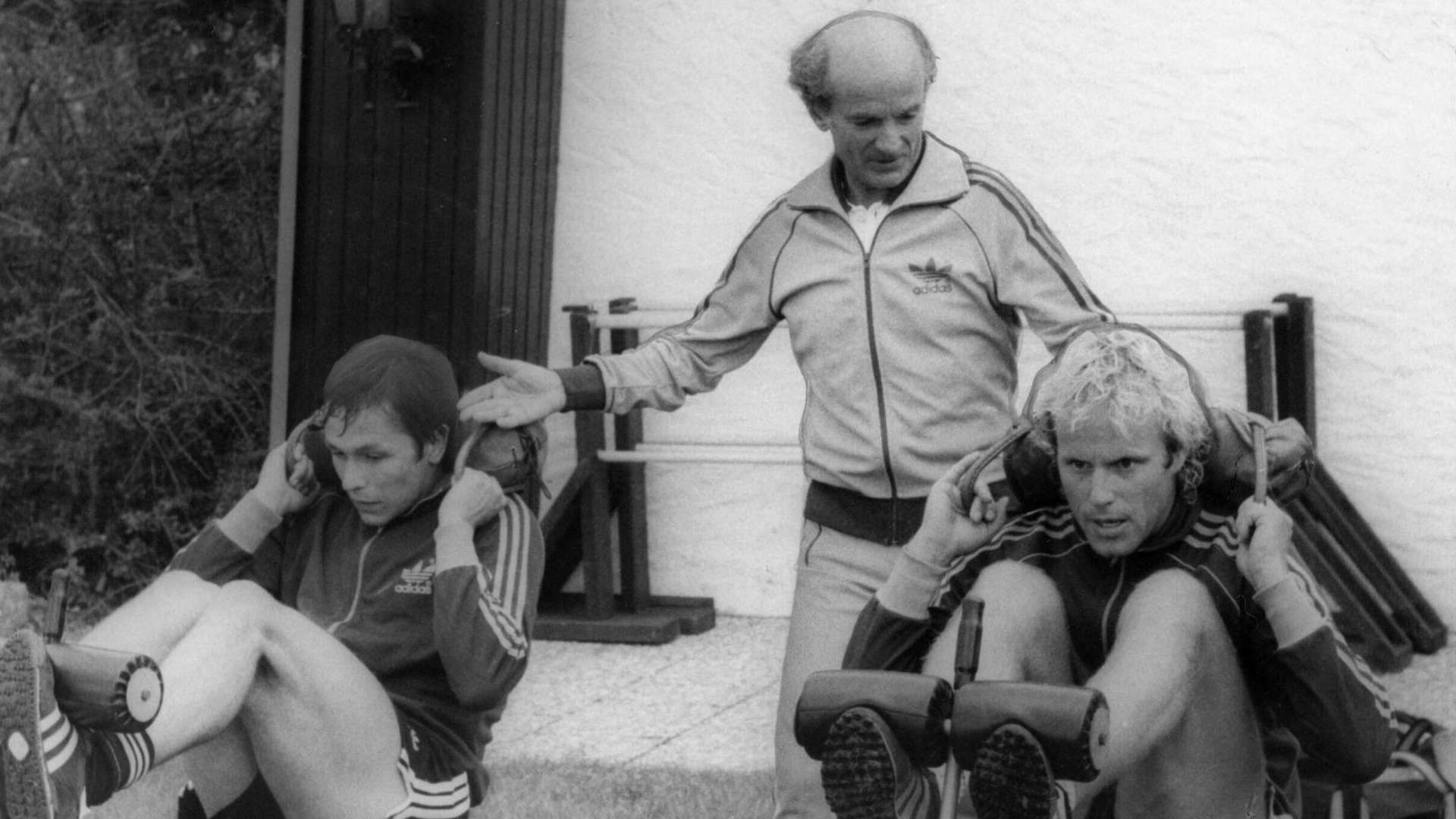
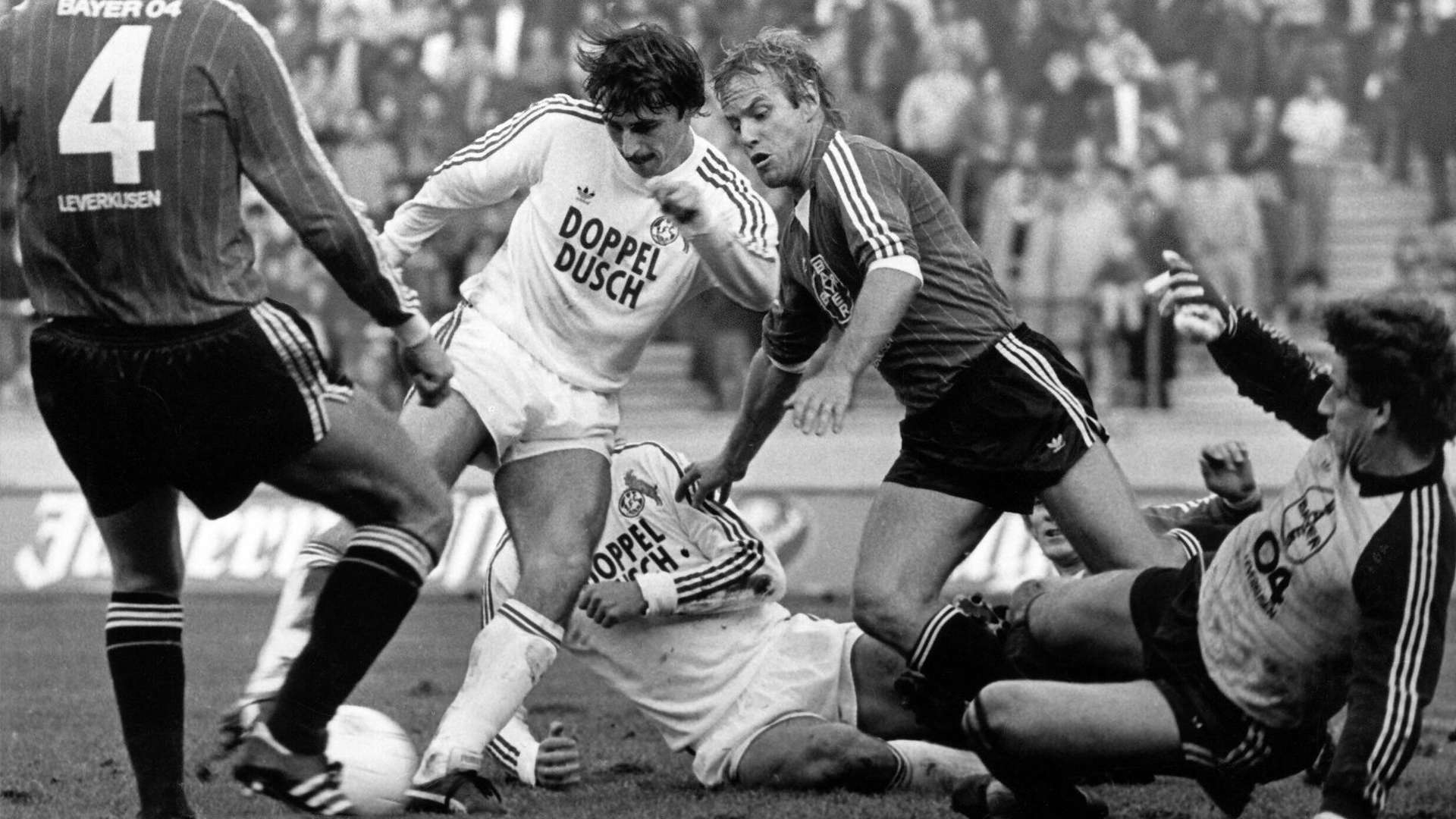
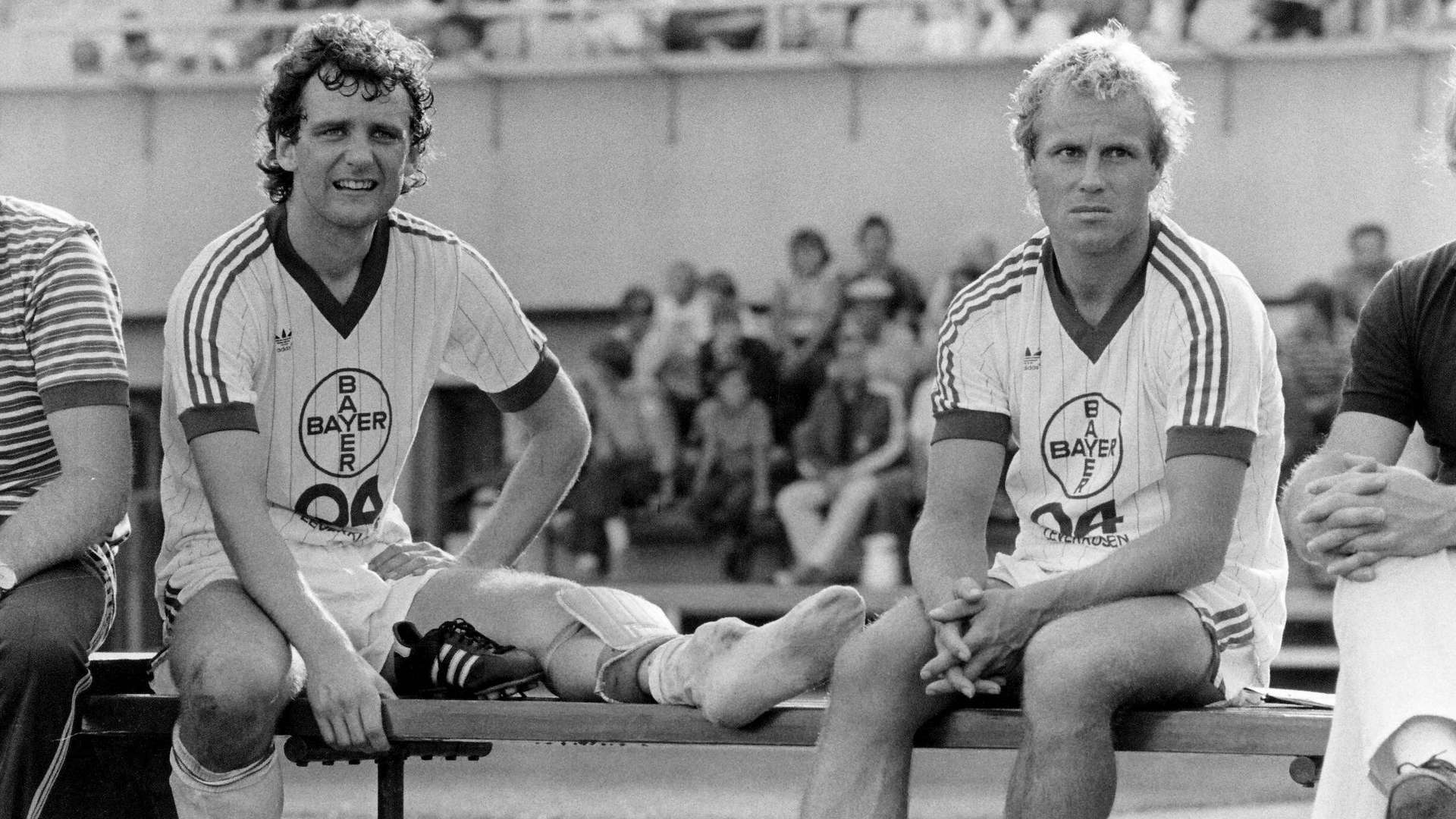
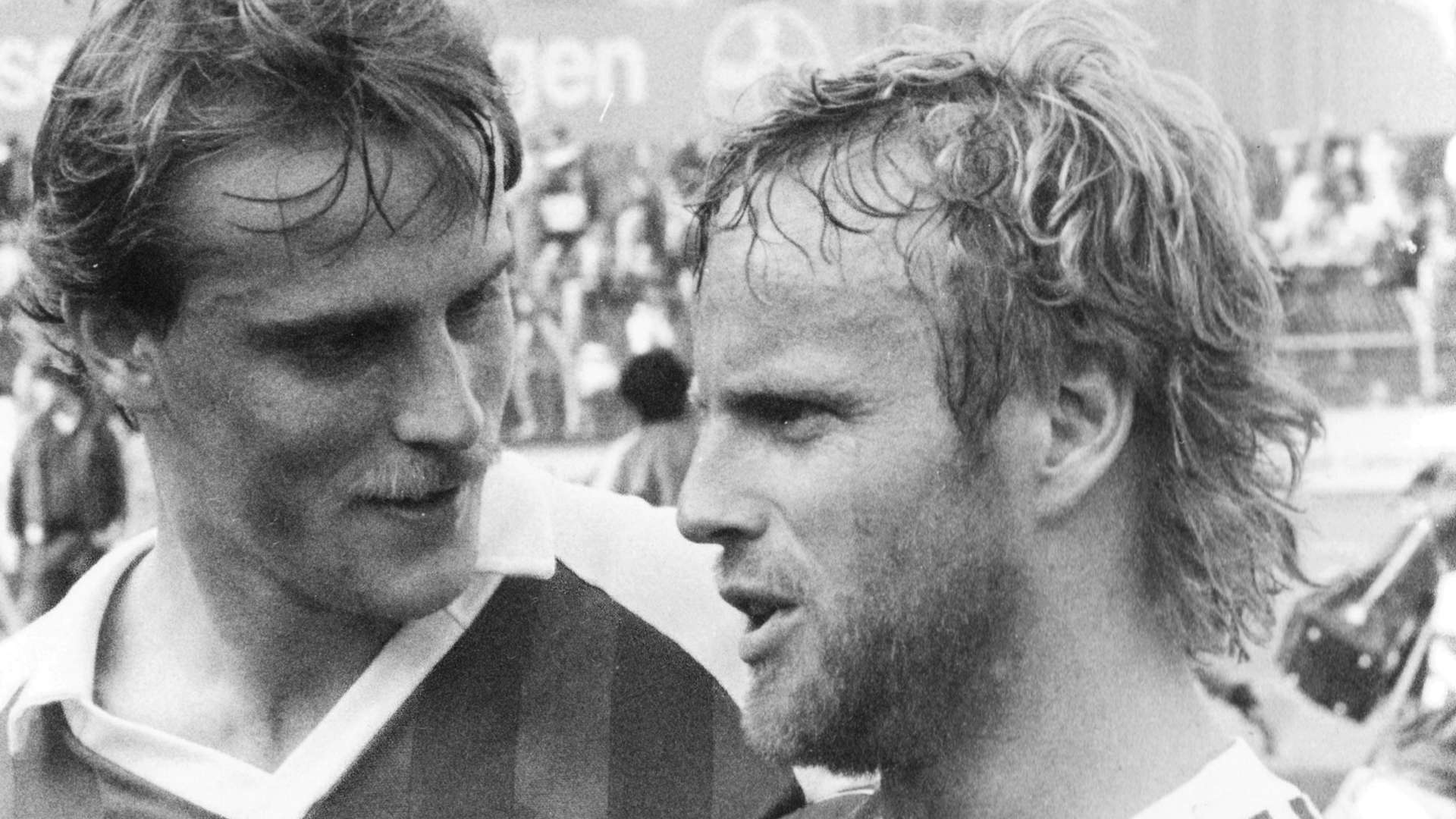
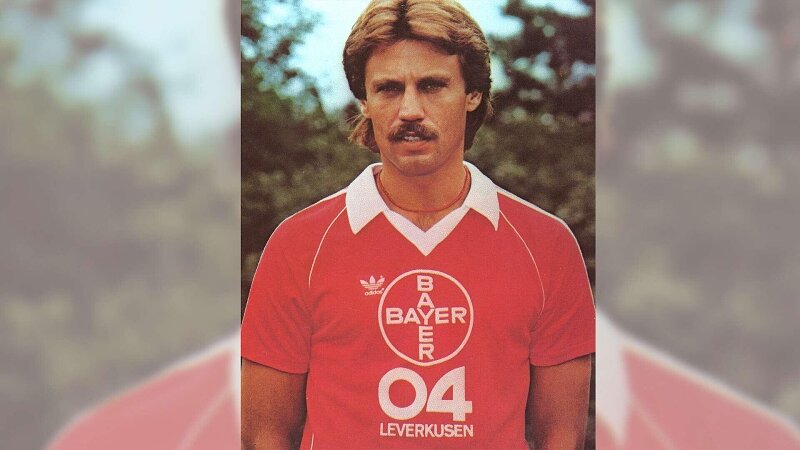
Röber became a regular at Bremen, playing six years for the Green-Whites and scoring 57 goals in his 184 Bundesliga matches. During this time there, he also played three international B matches. Eventually, Röber's powerful style of play and his dangerous long-range shots also attracted the attention of Bayern Munich. However, he only played there for one season, wining the Bundesliga, in 1980/81. After that, he moved to Canada for six months with the Calgary Boomers before joining Nottingham Forest in the English Premier League. Bayer 04 coach Dettmar Cramer then brought him to Leverkusen in 1982. In his four years with the Werkself, Röber scored 18 goals. One of those, his overhead kick to put the team 2-1 ahead against Bayer 05 Uerdingen, was voted Goal of the Month by the viewers of Sportschau in March 1984.
An injury sustained in a Bundesliga match in Frankfurt put him out of action for six months, meaning he lost his regular place and moved to Bundesliga 2 North team Rot-Weiss Essen in 1986. As well as being a player there, he was also assistant under various coaches at the same time.
Following forced relegation from Bundesliga 2, Röber became head coach at Essen and led the club to the German Amateur Championship in 1992. Another year later, he and Rot-Weiss were promoted back to Bundesliga 2. Shortly afterwards, he was unable to resist an offer to take over at Bundesliga club VfB Stuttgart. Nevertheless, RWE fans voted him the club’s coach of the century in 2000.

After two years in Stuttgart, Röber moved to the capital. His six years at Hertha Berlin were to be his most successful, guiding them back into the Bundesliga and subsequently to the only Champions League qualification in their history. He made it through the first group stage in the 1999/2000 season but missed out on a place in the quarter-finals in the second stage after matches against Barcelona, Porto and Slavia Prague.
Since his dismissal from Hertha in 2002, he has been on the touchline for Wolfsburg, Partizan Belgrade, Borussia Dortmund, Saturn Ramenskoje and Ankaraspor.
Röber retired from coaching in 2011. He swapped the dugout for an office chair and became sporting director at Osmanlispor, the successor club to Ankaraspor, for two years from 2015. From 2017 to 2020, he worked in the same position for Belgian first division club Royal Excel Mouscron. He has been in well-earned retirement since 2020.
Dear Jürgen, I wish you all the best for your 70th birthday! Celebrate with your loved ones and stay healthy!

Harry Gniech was born on 14 October 1951 in Leverkusen-Schlebusch. At the age of six, he joined SV Bayer 04, initially in the athletics section. The boy actually wanted to play football, but was only allowed to switch to the football team when he turned nine. Harry quickly established himself as a playmaker in midfield. Despite his talent, the path from the youth team to the first-team squad was a long one back then. In the 1973–74 season, his former U19 coach, Friedhelm Renno – who was by then in charge of Bayer 04’s first team – selected him for his first match with the professional squad.
Show more
Henrique Adriano Buss, known as Henrique, was born on 14 October 1986 in Marechal Cândido Rondon, a town in the Brazilian state of Paraná. At the age of 13, he joined Coritiba FC and made the step up to the first team in 2006. Henrique helped the team gain promotion to the Brazilian top flight and then moved on to Palmeiras FC. After just five matches for his new club, the 1.85-metre-tall centre-back was signed by Barcelona in 2008 for ten million euros and loaned to Bayer 04 for one year for a fee of €400,000.
Show more
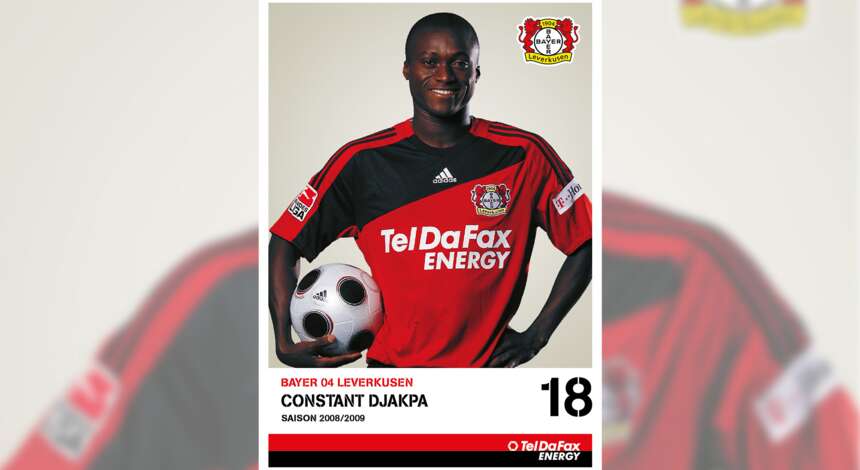
Constant Djakpa was born on 17 October 1986 in Abidjan, Ivory Coast. He started playing football at the age of five. He took his first steps in professional football at Stella Club d’Adjamé, before moving on to Sogndal IL in Norway. His path eventually led him to Germany via the Romanian club Pandurii Târgu Jiu.
Show more
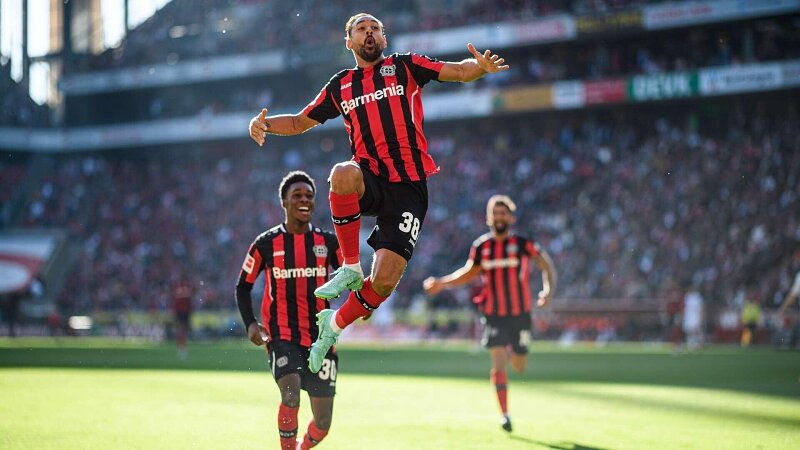
In this video you can see impressive and important goals in the history of Bayer 04 from the month of October. It's not always about the beauty of the goals, but also a reminder of special games and players.
Show more
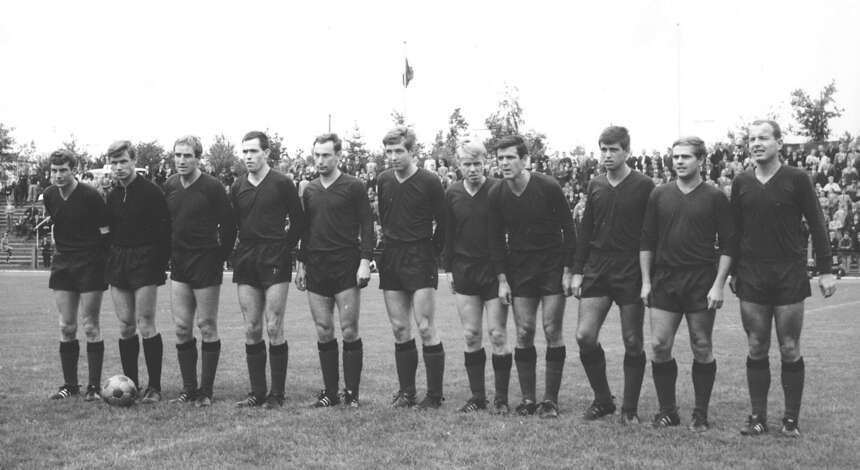
In the first week of October 1966, professional footballers decided to take an unusual step – they went on strike. They felt compelled to resort to this action, which was relatively uncommon until then, to give greater weight to their demands for fair pay. They reasoned that, with three draws, they were entitled to a bonus; at the very least, a points bonus of 75 Deutschmarks that was agreed before the start of the season.
Show more