Yes, I'd like to see videos dispalyed.
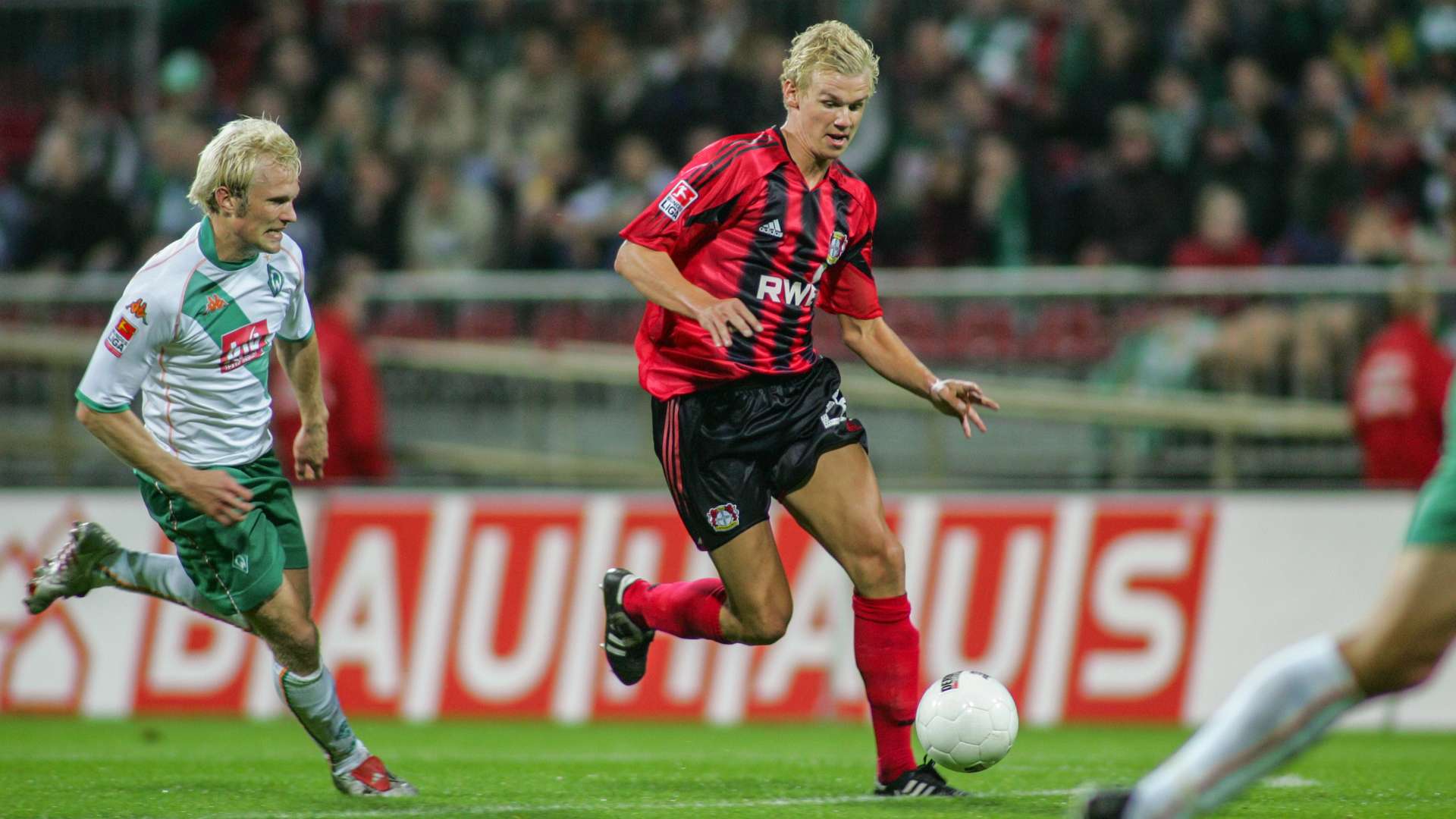
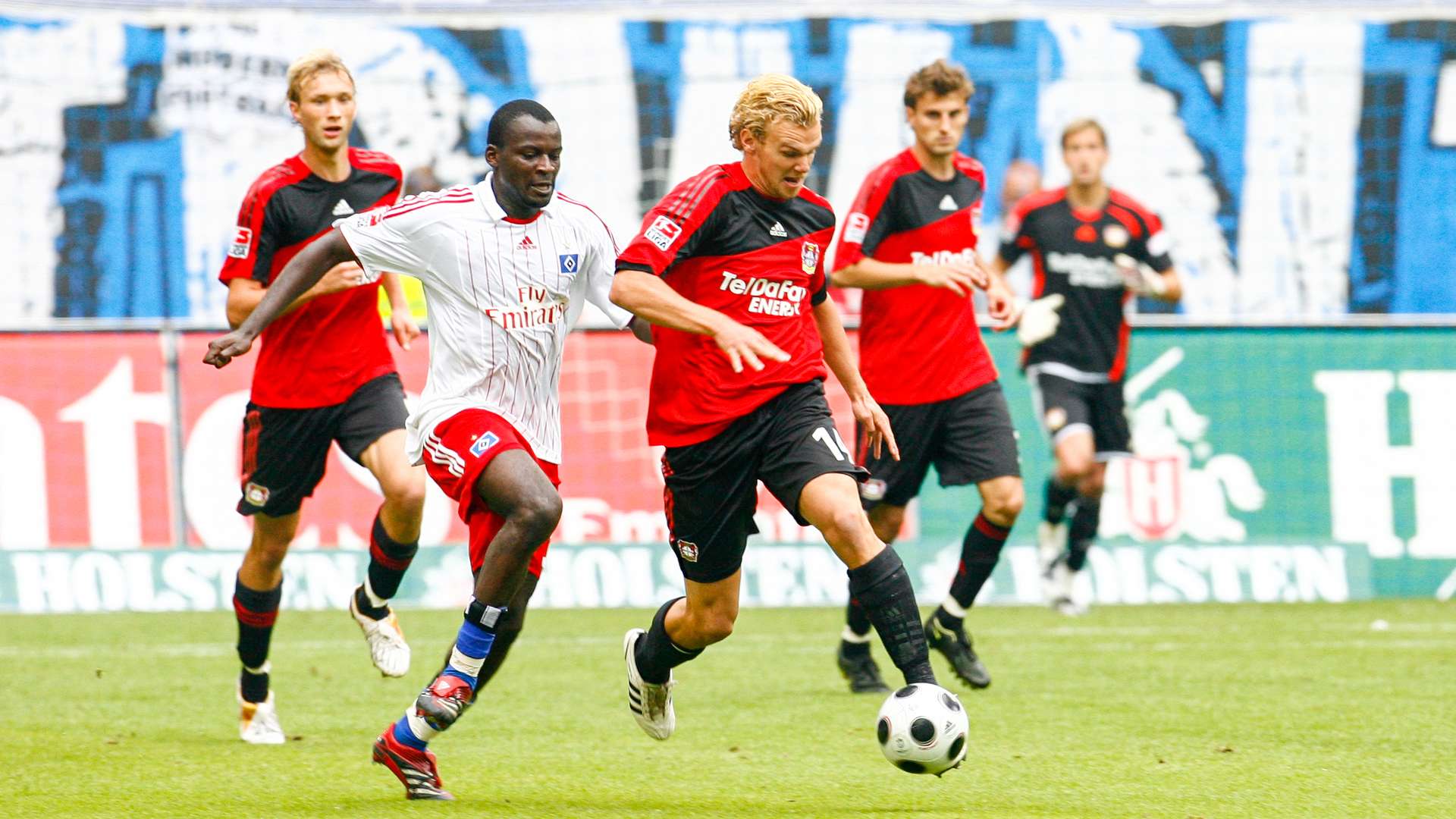
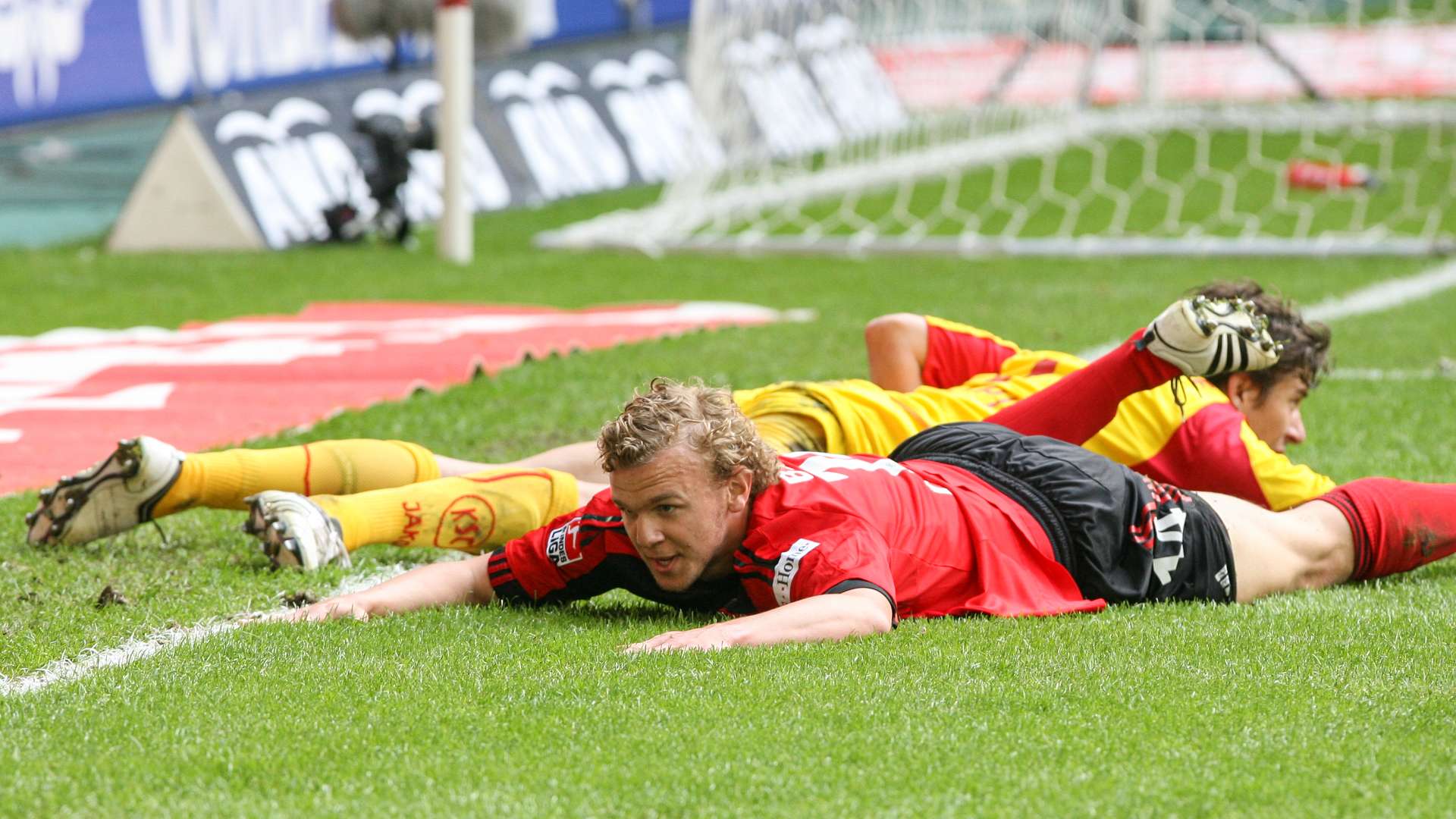
Bayer 04 coach Klaus Augenthaler took Sascha along to the winter training camp and brought him on for the first time on 19 February 2005 in Nuremberg. Sascha made his starting line-up debut a month later, in the home match against Hertha Berlin, where he had the thankless task of playing at left-back against the Brazilian Marcelinho. Seeing himself more as an attacking player, he was outplayed by the Brazilian dribbling maestro and was substituted at half-time. From the summer of 2005, he was part of the Werkself squad, but only played for the reserve team.
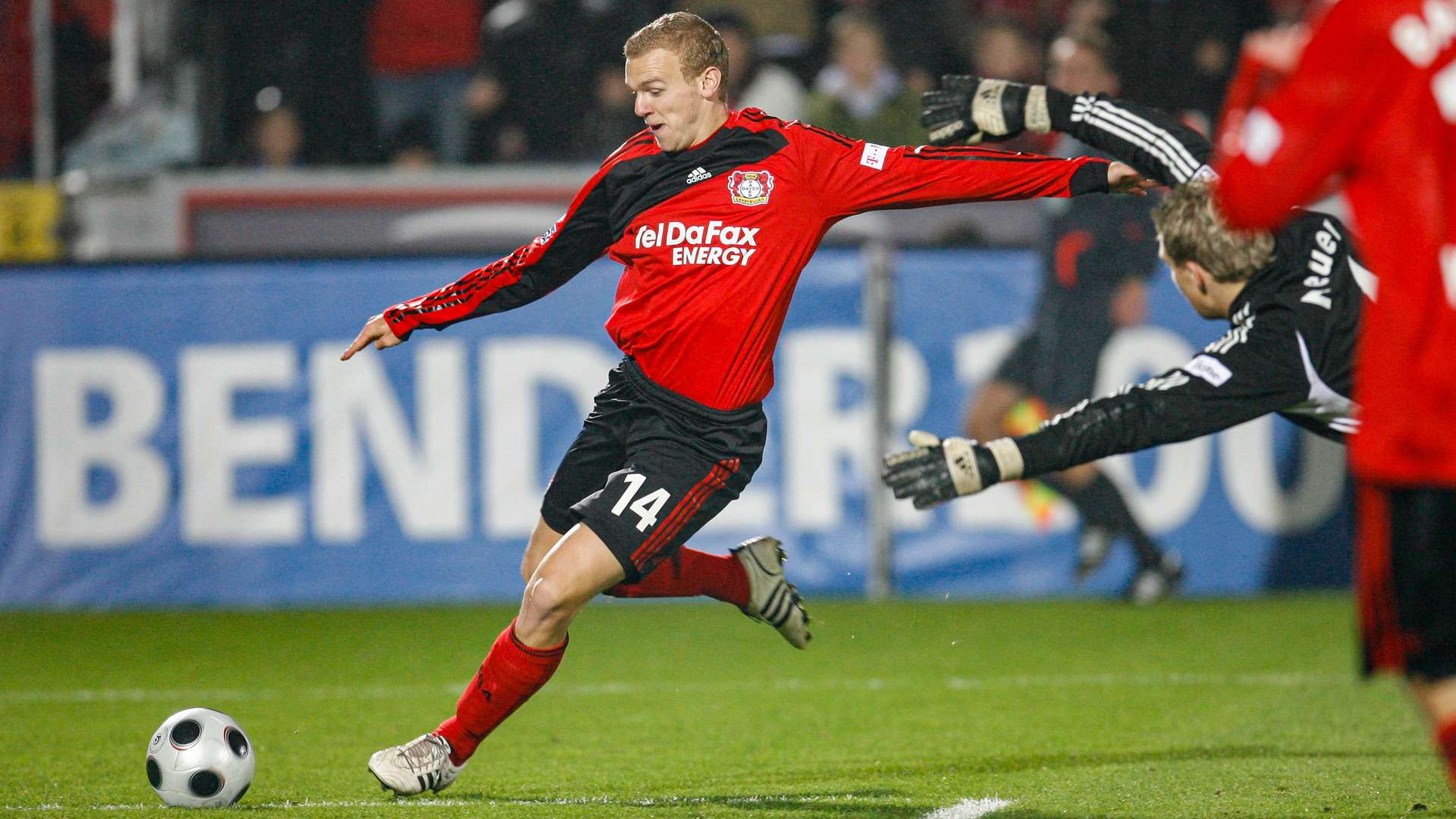
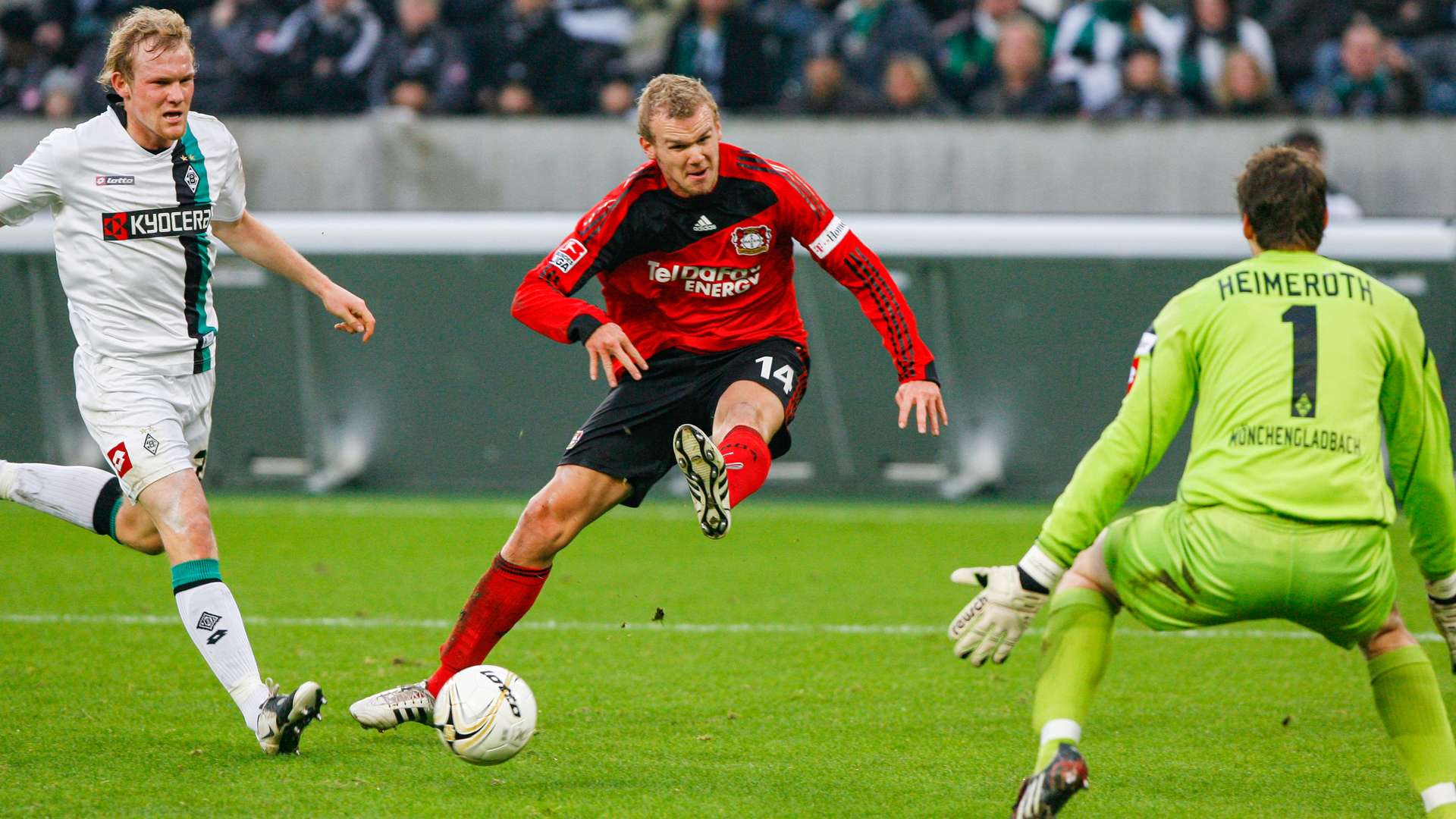
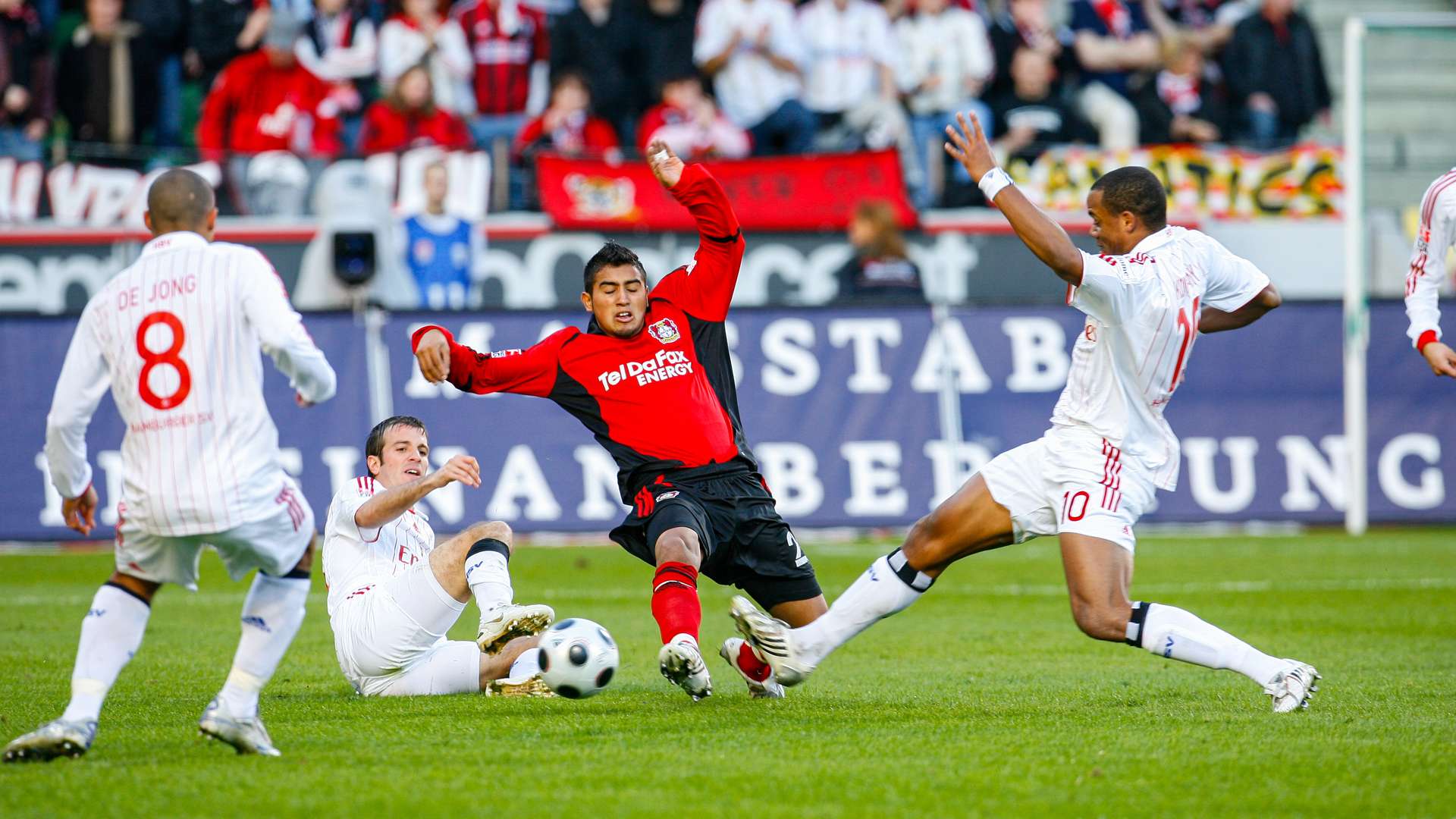
In the second half of the 2005/06 season, Sascha was loaned out to Aachen, where he helped Alemannia gain promotion to the Bundesliga, only to be relegated again a year later. But he never quite managed to turn things around for himself. Back at the BayArena, he was unable to rise above the status of a squad player during the 2007/08 season. He switched between coming on as a substitute for the first team and gaining match practice with the reserves. The situation did not improve under Bayer 04 coach Bruno Labbadia either. Although he started twice, in his remaining 18 Bundesliga appearances he was once again limited to coming off the bench.


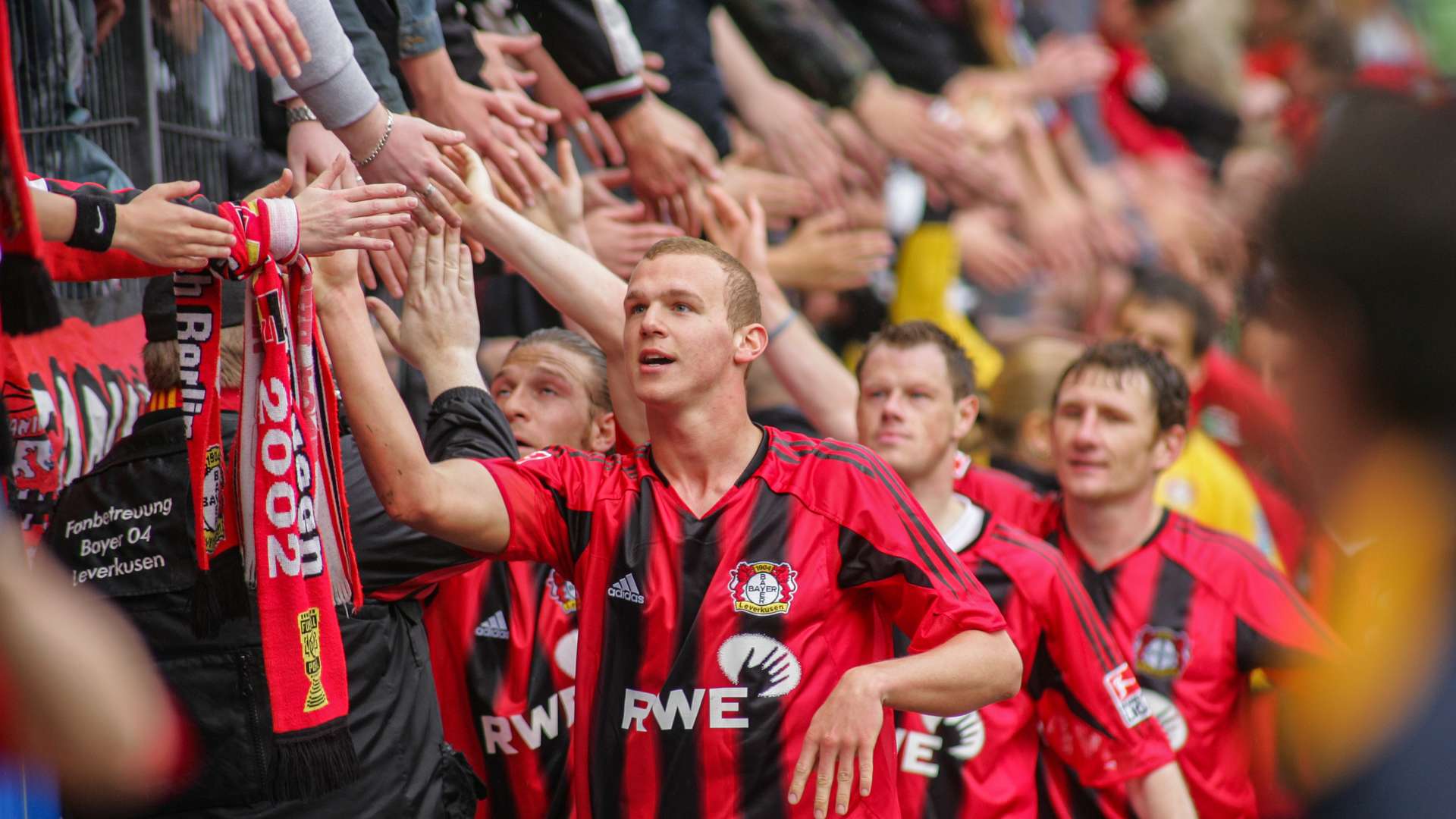
In the summer of 2009, after 52 appearances for the Werkself, Sascha left Leverkusen for good and tried his luck at Cottbus in Bundesliga 2. After a year, however, he was drawn back west to Fortuna Düsseldorf. After two years at Fortuna, his contract was not renewed. He kept fit at MSV Duisburg, impressed during his time there and signed a contract with the Zebras in January 2013. On the pitch, MSV managed to avoid relegation, but the league licensing committee refused to grant Duisburg a licence for the 2013/14 Bundesliga 2 season. As a result, Sascha was relegated to the Third Division with the Zebras. He played there until the summer of 2015, was promoted back to Bundesliga 2 with the Zebras, but then moved to the Regionalliga West to join the Schalke 04 reserve team.
Over the next few years, the former youth and U21 international continued to play in the lower leagues in western Germany, also taking on the role of assistant or head coach at one or two of his clubs.
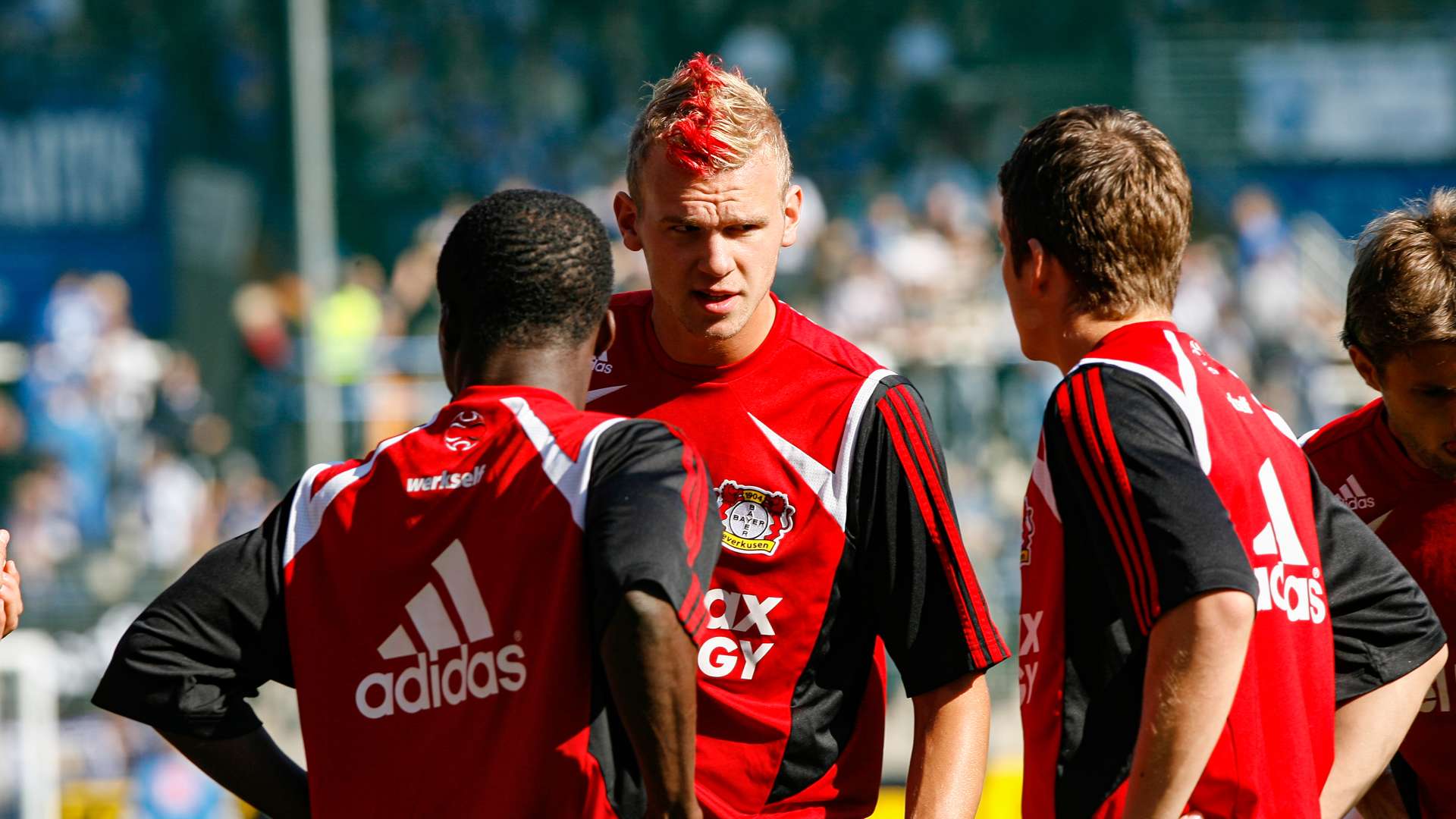
Nowadays, as the father of a daughter, he prefers to wear a traditional waistcoat and knee-length socks rather than football socks and a shirt. Sascha works as a waiter at the Hofbräuhaus in Essen, and if you fancy hearing a light-hearted quip or two whilst ordering, just ask for Sascha Dum – he won’t let you down.
Dear Sascha, I wish you all the best on your 40th birthday! Stay just as you are and, above all, stay healthy.

Dieter Bast was born in Oberhausen on 28 August 1951. He began playing football in the youth team at DJK Arminia Klosterhardt, a local club in Oberhausen. Whilst training as a toolmaker, he moved to neighbouring club Sterkrade 06/07 to play for their U19s, where he caught the eye of Bundesliga sides Rot-Weiss Essen and Borussia Mönchengladbach. Bast opted for Rot-Weiss and played in the Bundesliga from 1970 onwards. In his very first year, he made 22 appearances as a right winger, scoring three goals. Nevertheless, Essen were unable to avoid relegation.
Show more
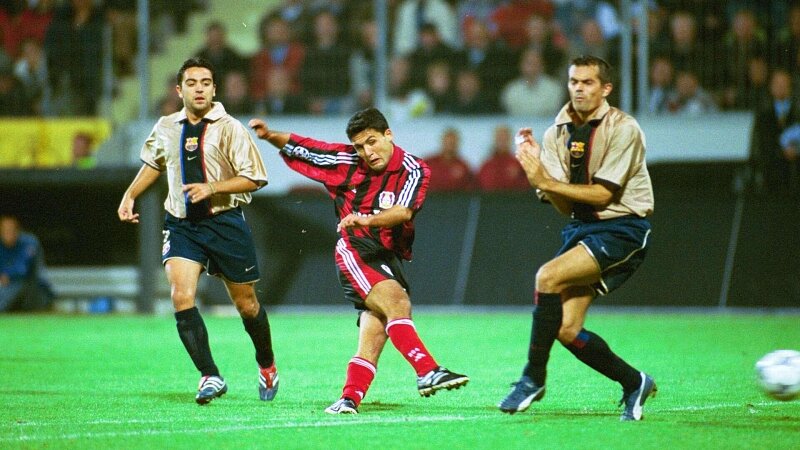
José Vítor Roque Júnior was born on 31 August 1976 in Santa Rita do Sapucaí, in the Brazilian state of Minas Gerais. As a youth, he played for São José EC, a club in the east of the state of São Paulo. His professional career began in 1995 with Palmeiras São Paulo. There, Roque Júnior quickly established himself as a key player in the team, making more than 200 appearances and enjoying significant success. With the club, he won the Copa do Brasil in 1998 and the Copa Libertadores in 1999, the South American equivalent of the European Champions League.
Show more
In this video you can see impressive and important goals in the history of Bayer 04 from the month of August. It's not always about the beauty of the goals, but also a reminder of special games and players.
Show more
The Werkself play their first top-flight match in Bayer 04’s history away at Sportfreunde Katernberg. 7,000 spectators turn up at the Am Lindenbruch stadium in that district of Essen. The Katernbergers have transformed the once ‘barren’ pitch into a real gem. On this Sunday afternoon, 19 August 1951, the lush turf provides the perfect conditions for a good game of football.
Show more
Following a thoroughly successful start with a 2–1 home win against VfL Wolfsburg, the Werkself are organising a team event. On Wednesdays, they head to the Nürburgring together and do a few laps at speed. Manager Klaus Toppmöller welcomes this initiative, as it promotes team spirit and integration. During weekly training sessions, the team works extensively on various defensive tactics, as the manager was dissatisfied with his players’ pressing in the final minutes of the match against the Wolves.
Show more