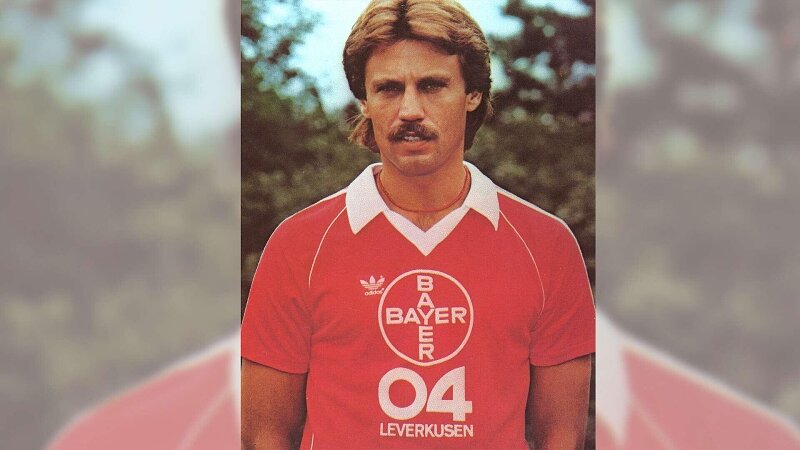
Not all Bayer 04 fans are likely aware that Peter played for the club for eight years. He is probably better known for his many years as assistant coach. That started in 1989 when he is brought to Leverkusen by his former teammate and then head coach Jürgen Gelsdorf. In that role over the next eight years up to 1997, he wins the DFB Cup in 1993 and he saves our club from relegation as head coach for the last five matches in the 1995/96 campaign.
After that season, Christoph Daum is appointed head coach at Leverkusen and he brings Roland Koch with him as his assistant. Peter Hermann takes a back seat but he is not satisfied in his role as second assistant coach. In 1997 he became head coach of the Bayer 04 Reserves. Four years later, Peter again takes charge of the first team. Together with Klaus Toppmöller, he leads the Werkself through probably the most successful season to date in 2001/02 when the club finished runners-up three times. He also worked well with Klaus Augenthaler and Michael Skibbe up to 2008. When Bruno Labbadia brought his assistant coach Eddy Sözer with him to the Rhineland, Peter decided to change clubs.
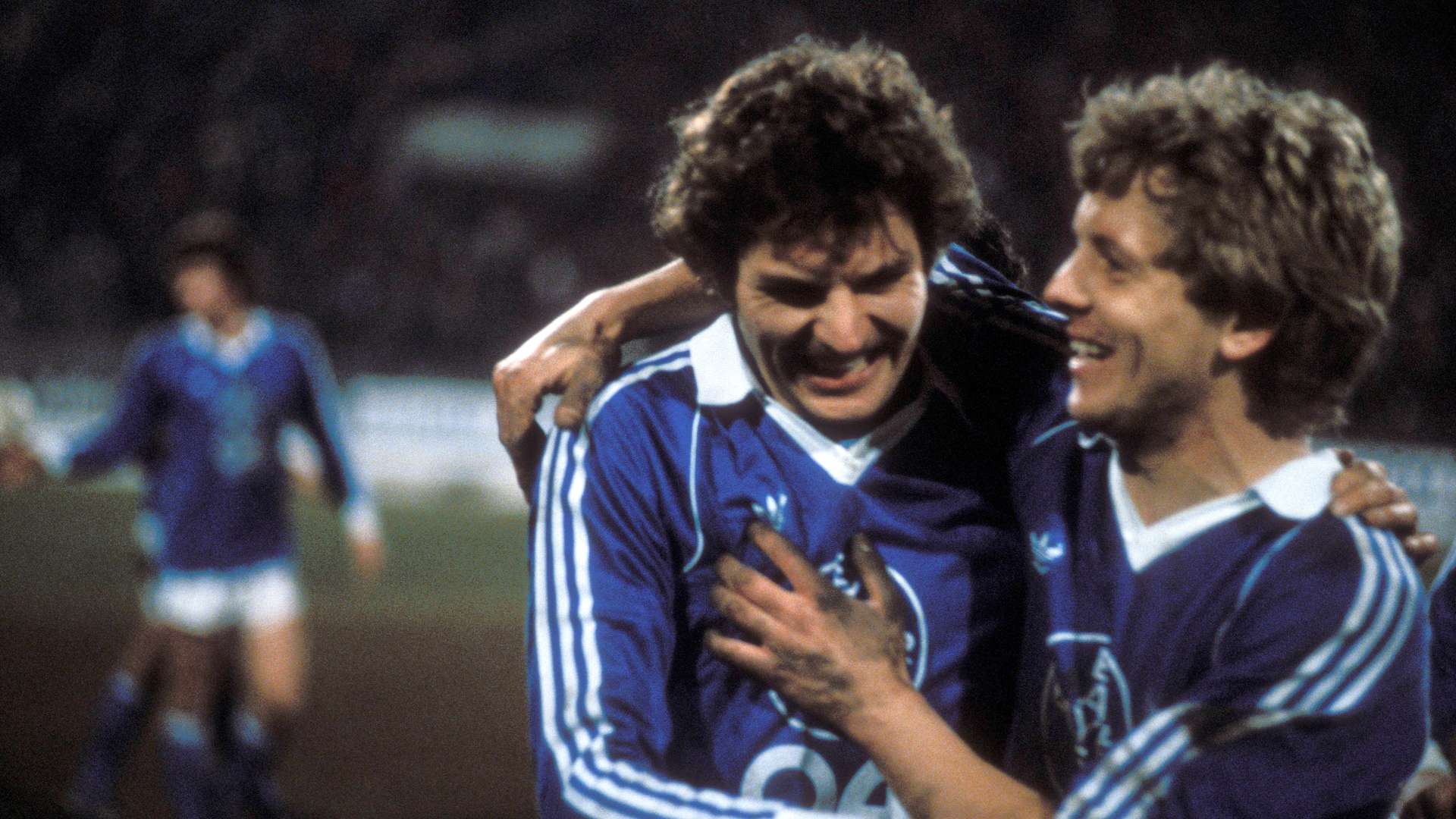
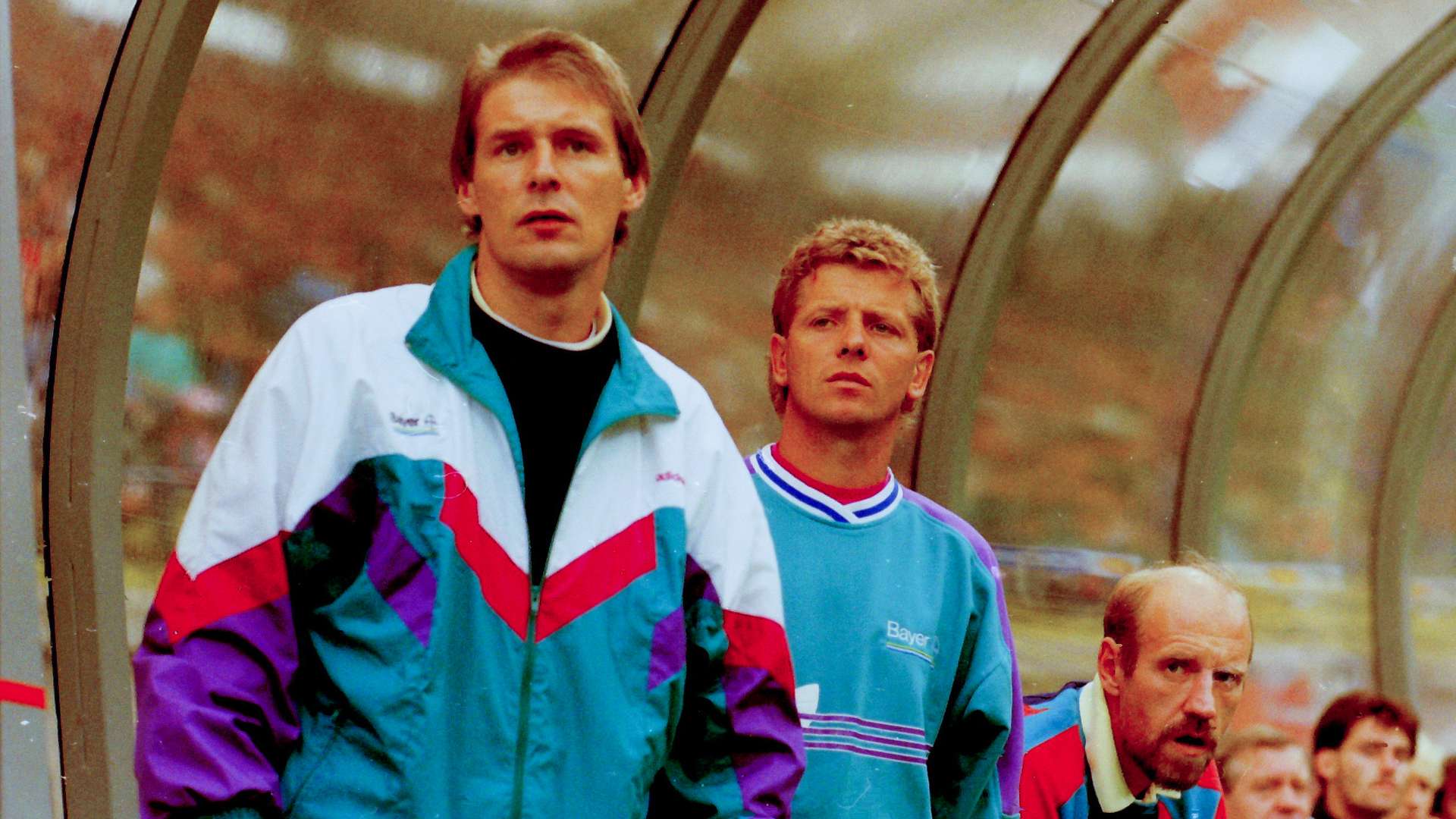
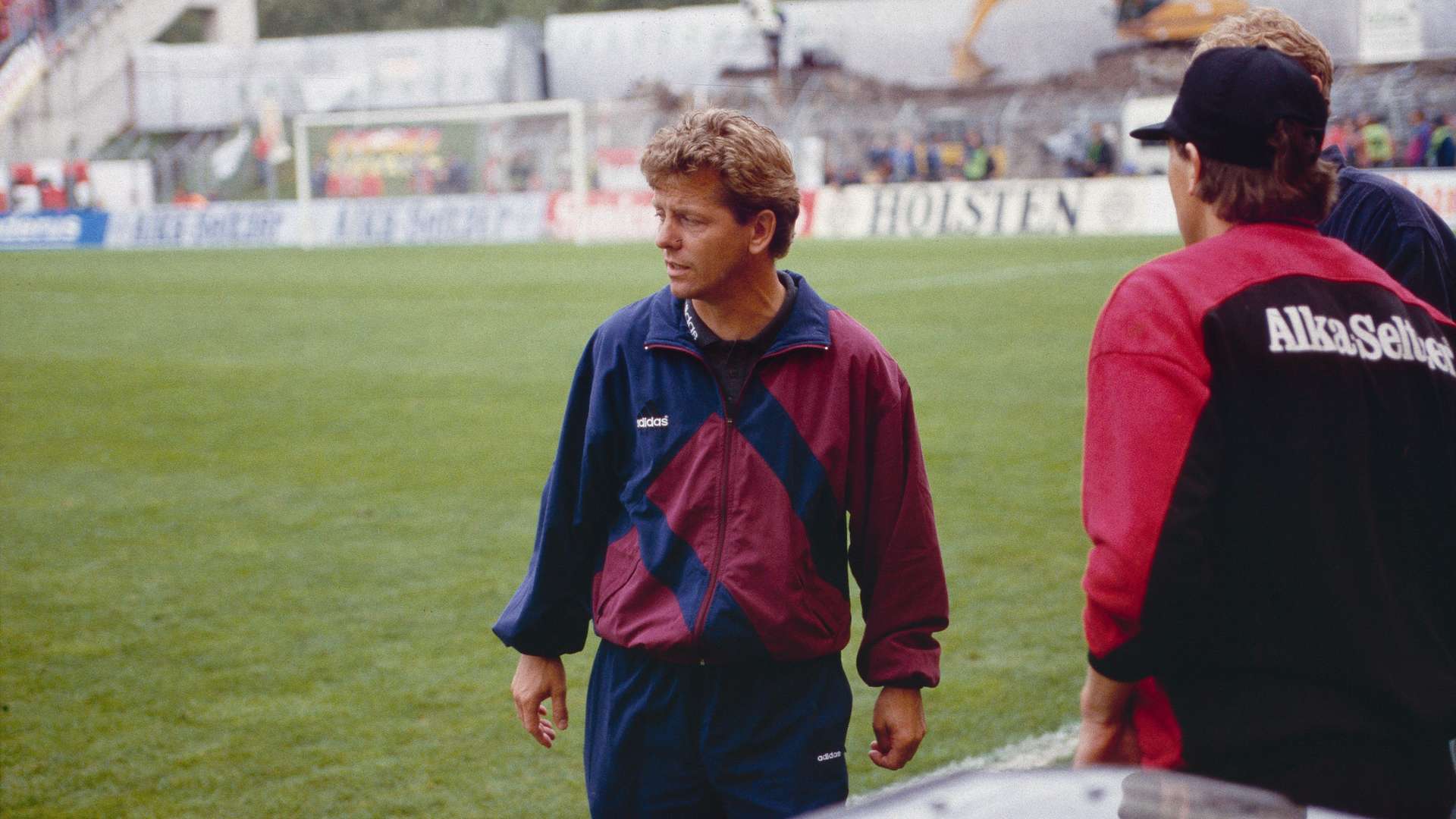

He was assistant coach at FC Nürnberg for a year but returned to Leverkusen in 2009/10. He started his very successful partnership over four years with Jupp Heynckes. The duo take Bayer 04 to the runners-up spot in 2010/11 and back into the Champions League for the first time in seven years. Heynckes accepts an approach from Bayern Munich and Peter Hermann joins him in the Bavarian capital. The duo win the treble in 2012/13 with FC Bayern becoming champions of Germany, DFB Cup winners and Champions League winners.
Last season, Peter Hermann again took charge of the Werkself together with Hannes Wolf for the last eight games of the season and succeeded in leading the club into the Europa League. Today he is assistant coach of the Germany U20 team and sporting adviser to his former club Alemannia Aachen. Dear Peter, I've always liked working with you and I wish you all the best on your 70th birthday.

Michael Ballack was born on 26 September 1976 in Görlitz, in what was then East Germany. His talent for football became apparent at an early age. After his family moved to Karl-Marx-Stadt – now Chemnitz – he began playing football for BSG Motor ‘Fritz Heckert’ Karl-Marx-Stadt, where he steadily developed his skills. From Year 7 onwards, he attended the Children’s and Youth Sports School and received systematic sporting support, which, in 1988 – due to his growing skill as a player – led to a move to FC Karl-Marx-Stadt. At the age of 16, he had to take a six-month break due to growth problems, but after that, Michael was unstoppable.
Show more
José Elias Moedim Júnior, known as Zé Elias, was born on 25 September 1976 in São Paulo. He received his football training at Sport Club Corinthians Paulista, or Corinthians for short, and was promoted to the first team at the age of just 17. PSV Eindhoven had already taken notice of him by this stage, but the move to Europe was still too early for him. The tenacious defensive midfielder established himself in the first team over the following three years. With Corinthians, Zé Elias won the São Paulo City Championship and the Brazilian Cup in 1995. With his excellent vision, his determination and his assured ball control, he made a significant contribution to his team’s success.
Show more
In their second season in Bundesliga 2 North, the Werkself face Fortuna Köln at their home ground, the Ulrich Haberland Stadium, on matchday 7. Both teams are level on seven points, sitting eighth and ninth in the table.
Show more
In this video you can see impressive and important goals in the history of Bayer 04 from the month of September. It's not always about the beauty of the goals, but also a reminder of special games and players.
Show more
September gets off to a disastrous start, though not for the Werkself: the German national team, featuring Bayer 04 players Jens Nowotny, Michael Ballack and Oliver Neuville, suffer a 5-1 thrashing at the hands of England in a World Cup qualifier at the Olympic Stadium in Munich. Jens Nowotny, in particular, came in for sharp criticism. With this defeat, Germany’s direct qualification is now hanging in the balance.
Show more