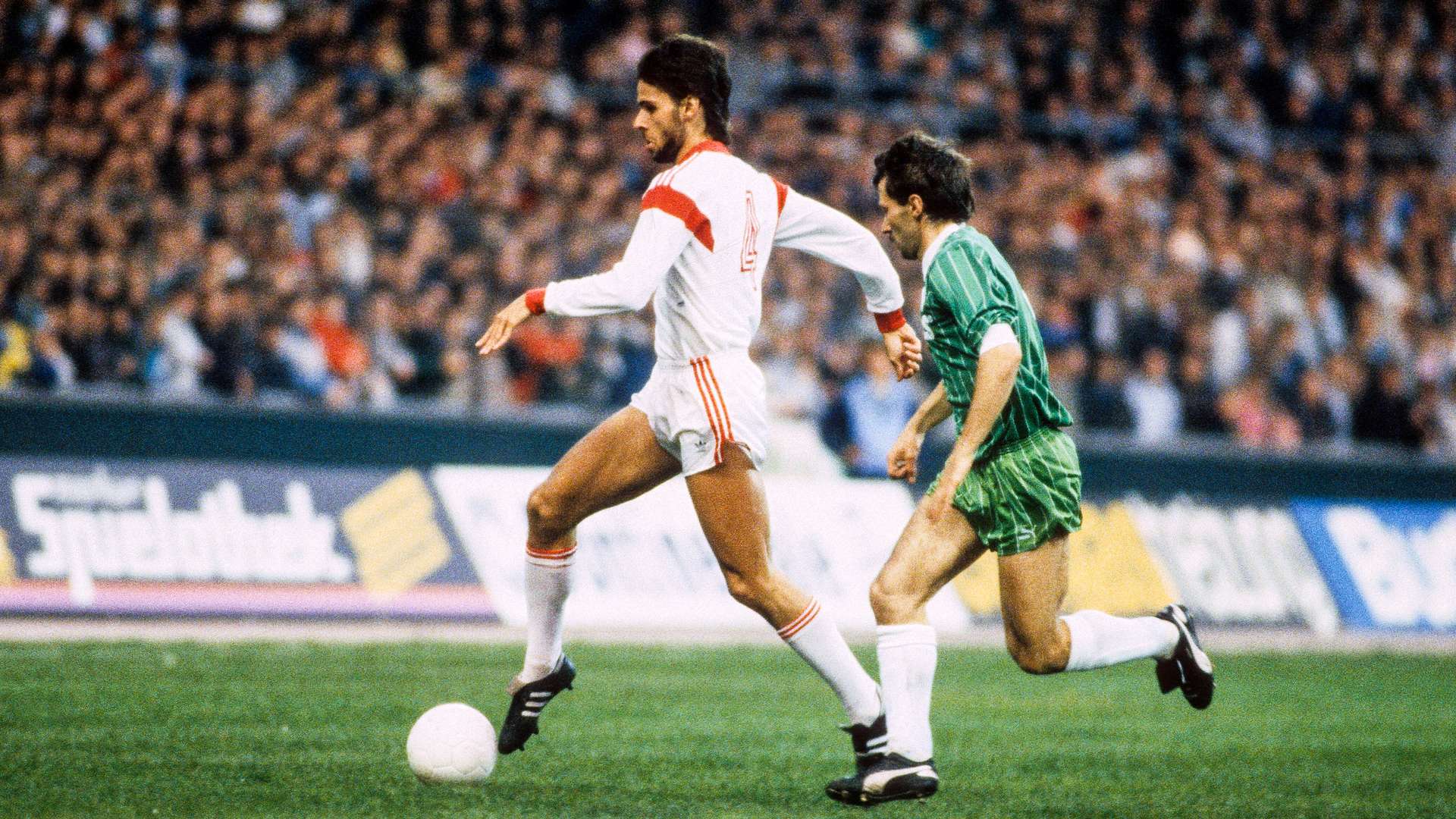
He played for Rot-Weiß Hütte, a small club in the town Troisdorf, up to the younger year for the U19s. He then moved on to join the U19 team of the "bigger" SV Siegburg 04, playing in the top Middle Rhine U19 league that included Bayer 04. Playing against the Werkself, the attacking midfielder came to the attention of Bayer 04 boss Reiner Calmund who then brought him to the Bayer Cross to play for the U19 team.
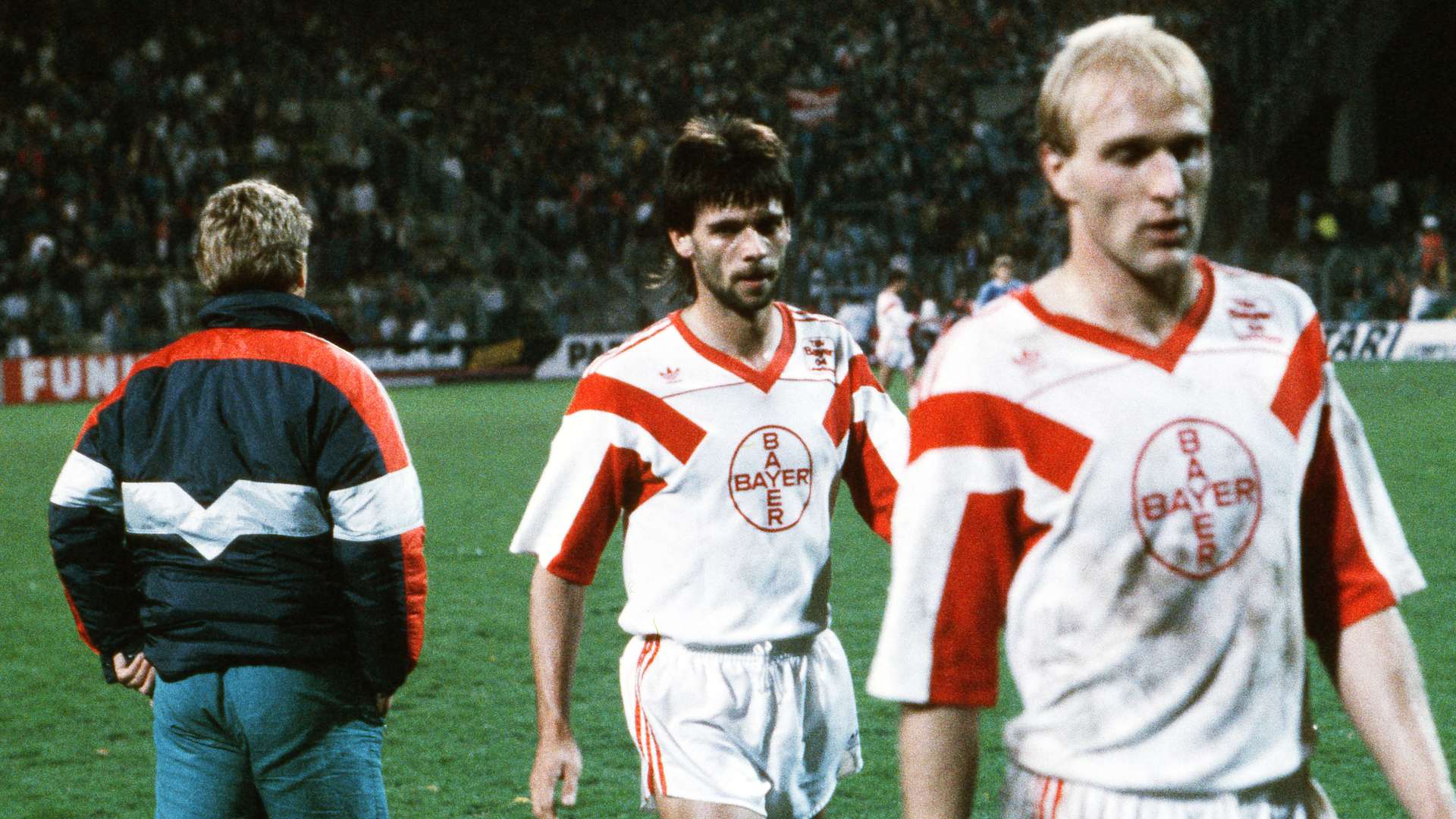
He first played for the Bayer 04 reserve team before the Leverkusen head coach Erich Ribbeck brought him into the first-team squad in 1986. He very quickly established himself as a valuable squad player. The ball-winning Jean Pierre could play in midfield as well as in both full-back positions and as a central defender.
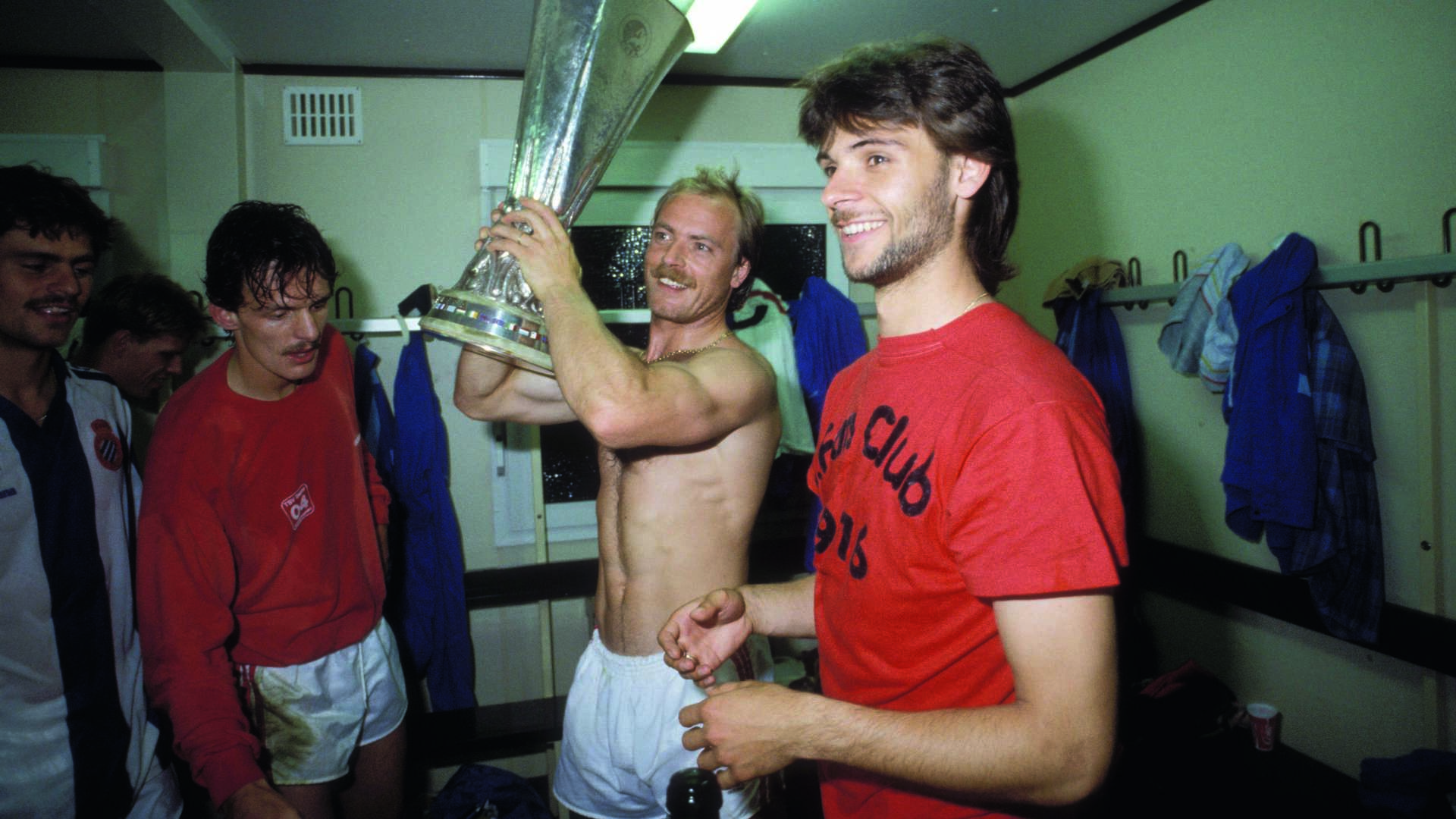
He made his first Bundesliga appearance on 22 November 1986. John Pierre came on as a substitute on 85 minutes in place of Herbert Waas in a 2-1 away win at FC Homburg. He made a total of 81 Bundesliga appearances for Bayer 04 scoring one goal. Up to 1991 he also played in six DFB Pokal and ten UEFA Cup games. His biggest success with Bayer 04 was winning the UEFA Cup in 1988. John Pierre played in five of the twelve games in that competition.


After his time at Leverkusen, he played for second division VfL Osnabrück. He ended his professional career at the end of the season and in 1992 he played as an amateur for VfL Hamm/Sieg. He also played for FV Bad Honnef and he played his last football match for the district league club SpVg Wesseling-Urfeld. He gave up the attempt to stay in football as a coach. He quickly recognised that it wasn't for him.
Nevertheless, Jean Pierre, who speaks fluent Dutch, French, English and German, is still to be seen on football pitches around the Middle Rhine. First as the chair of FC Blau-Weiß Büsdorf and since 2015 as the sporting director at SC Fliesteden.
Since 2019, the father of two children has lived with his English wife Samantha in Rheidt-Hückelhoven, a small community near Bergheim/Erft. The owner of two industrial companies that produce products for pipeline construction he has extended the stables in the style of old farms.
Dear Jean Pierre, I wish you all the best on your 60th birthday. Enjoy the celebrations and remain fit and healthy.
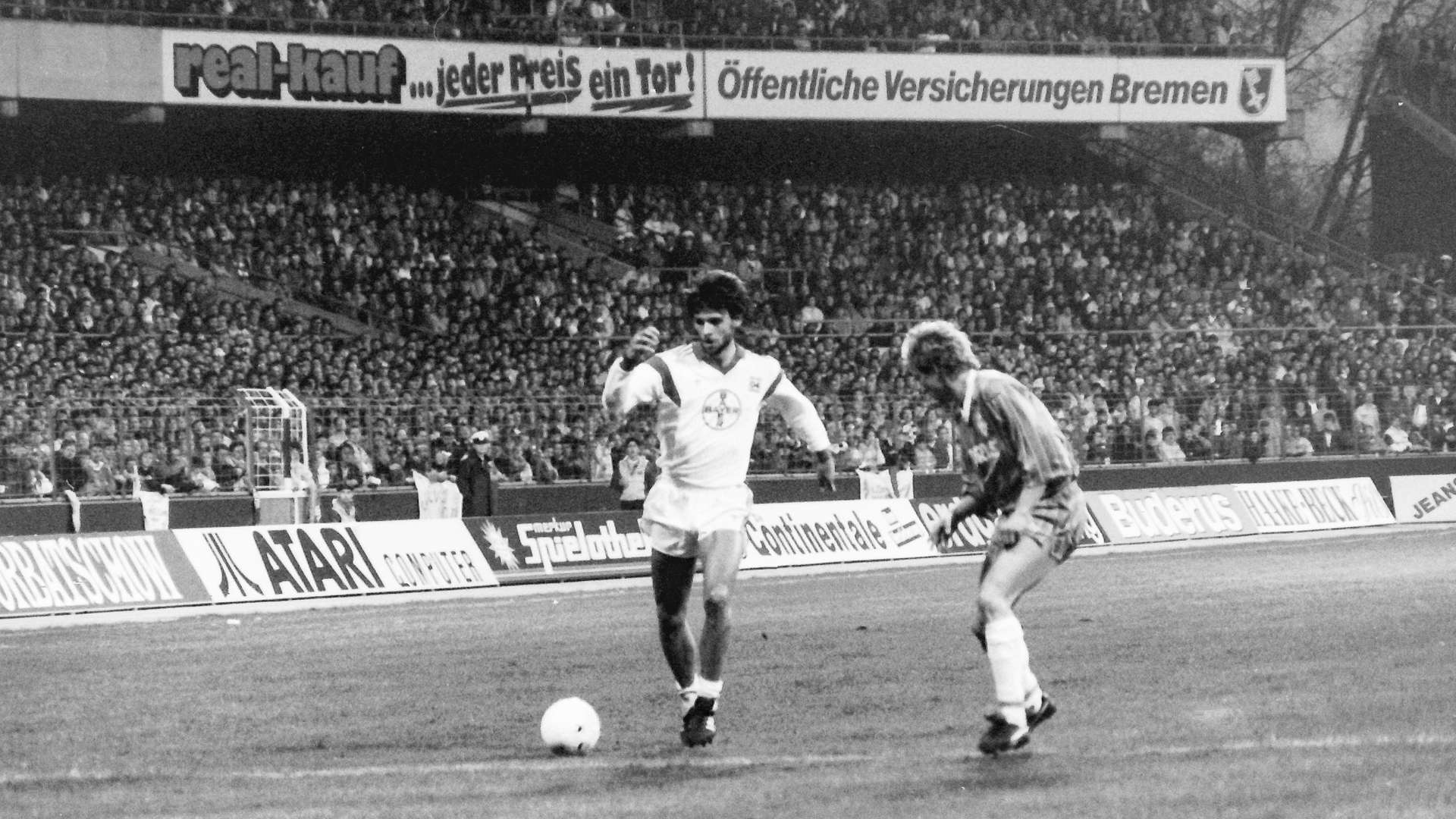
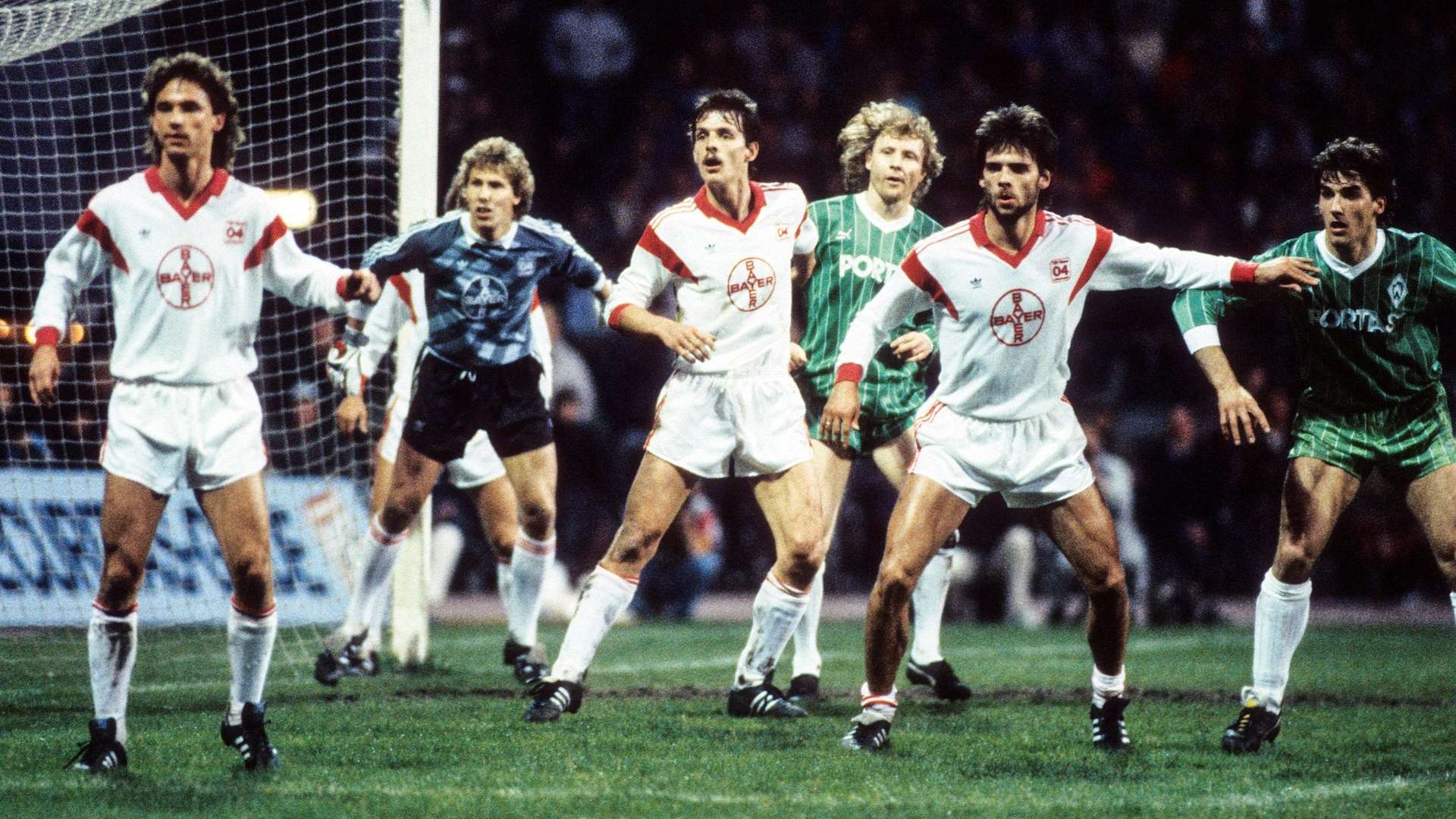
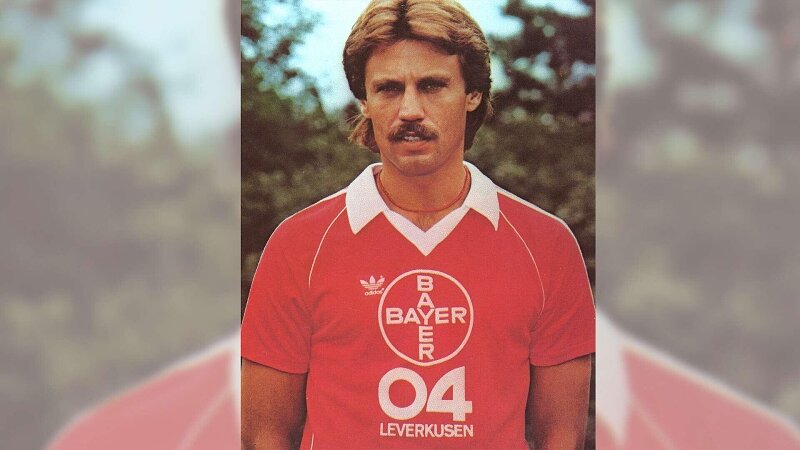
Harry Gniech was born on 14 October 1951 in Leverkusen-Schlebusch. At the age of six, he joined SV Bayer 04, initially in the athletics section. The boy actually wanted to play football, but was only allowed to switch to the football team when he turned nine. Harry quickly established himself as a playmaker in midfield. Despite his talent, the path from the youth team to the first-team squad was a long one back then. In the 1973–74 season, his former U19 coach, Friedhelm Renno – who was by then in charge of Bayer 04’s first team – selected him for his first match with the professional squad.
Show more
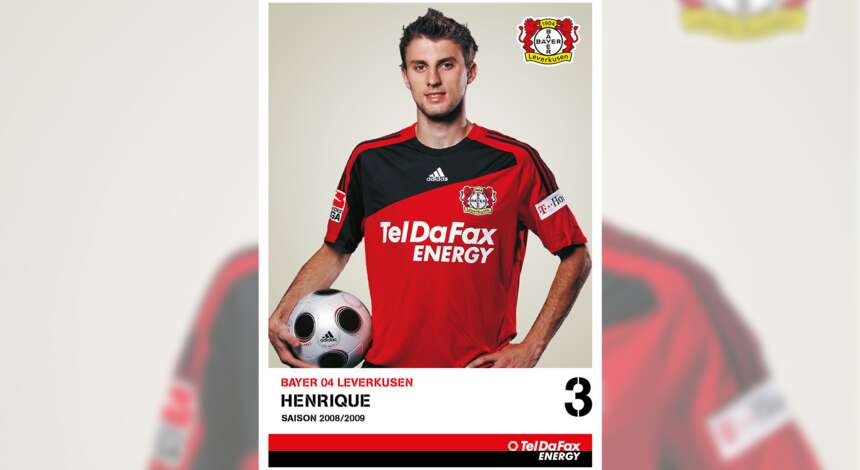
Henrique Adriano Buss, known as Henrique, was born on 14 October 1986 in Marechal Cândido Rondon, a town in the Brazilian state of Paraná. At the age of 13, he joined Coritiba FC and made the step up to the first team in 2006. Henrique helped the team gain promotion to the Brazilian top flight and then moved on to Palmeiras FC. After just five matches for his new club, the 1.85-metre-tall centre-back was signed by Barcelona in 2008 for ten million euros and loaned to Bayer 04 for one year for a fee of €400,000.
Show more
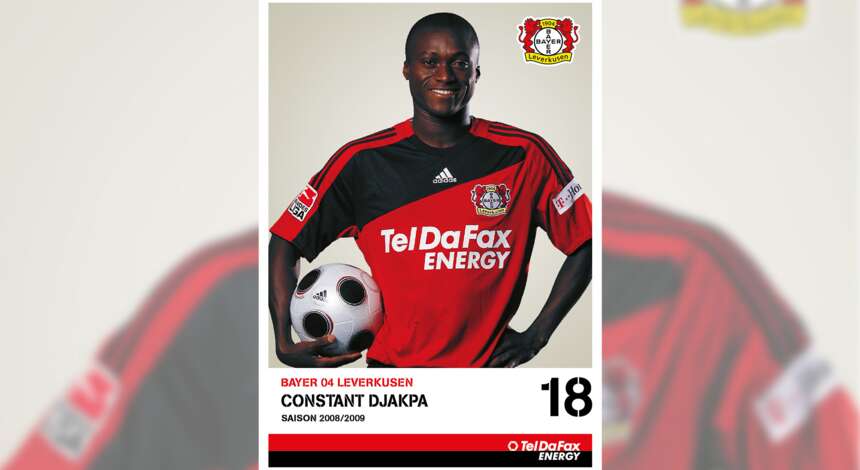
Constant Djakpa was born on 17 October 1986 in Abidjan, Ivory Coast. He started playing football at the age of five. He took his first steps in professional football at Stella Club d’Adjamé, before moving on to Sogndal IL in Norway. His path eventually led him to Germany via the Romanian club Pandurii Târgu Jiu.
Show more
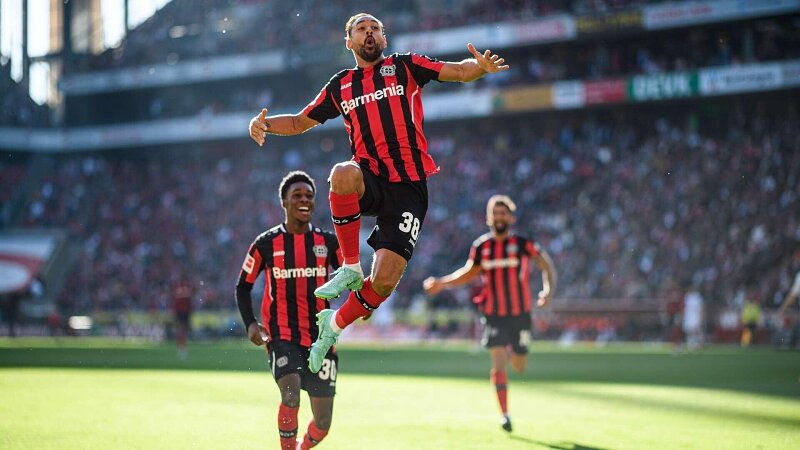
In this video you can see impressive and important goals in the history of Bayer 04 from the month of October. It's not always about the beauty of the goals, but also a reminder of special games and players.
Show more
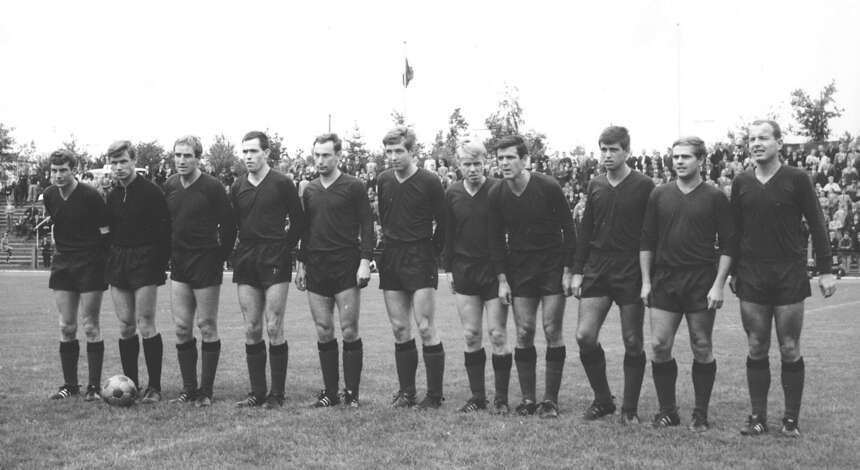
In the first week of October 1966, professional footballers decided to take an unusual step – they went on strike. They felt compelled to resort to this action, which was relatively uncommon until then, to give greater weight to their demands for fair pay. They reasoned that, with three draws, they were entitled to a bonus; at the very least, a points bonus of 75 Deutschmarks that was agreed before the start of the season.
Show more