Yes, I'd like to see videos dispalyed.
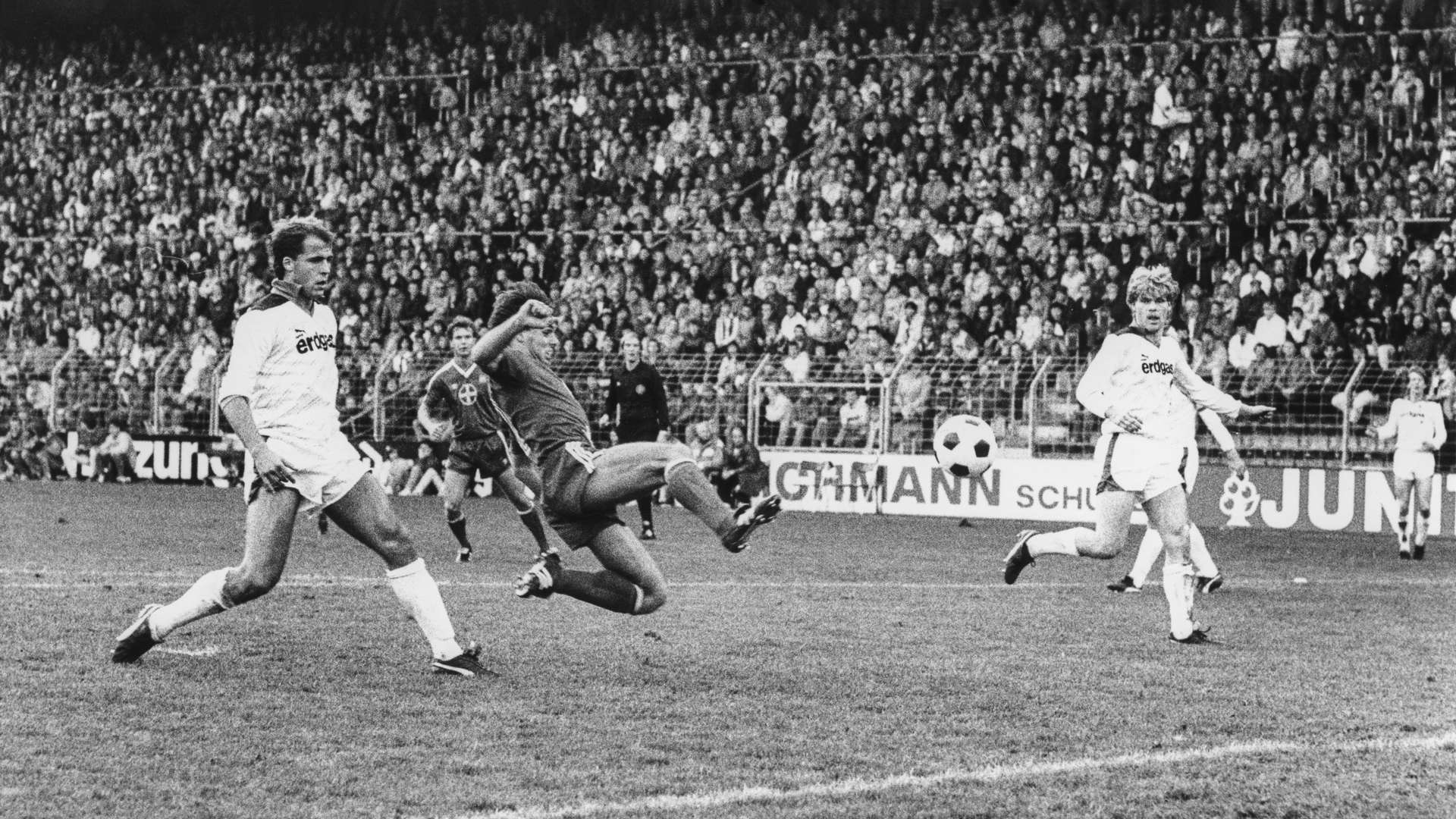
Calli brought Atze to Leverkusen in his second year as a U19 player. Together with his future teammates, the Bayer 04 youth players Manfred Pomp and Frank Glaß, he was a runner-up at the 1982 youth European Championships with the U16 national team. He stepped up to the Werkself Bundesliga squad after a year in the Bayer 04 youth teams. Playing behind the strike partners Bum-kun Cha and Herbert Waas, he was the third player in attack under his patron Dettmar Cramer and he played ten games in his first year in the Bundesliga. His first Bundesliga goal was an equaliser at 1-1 in the away game at VfB Stuttgart on matchday 25. He played more for the Bayer 04 Reserves in his second season. That was because Bum-kun Cha and Herbert Waas were joined up front by new signing Christian Schreier and centre-forward Falko Götz, who was entitled to play for the Werkself from November 1984 a year after fleeing from the GDR. The competition in attack was too much.
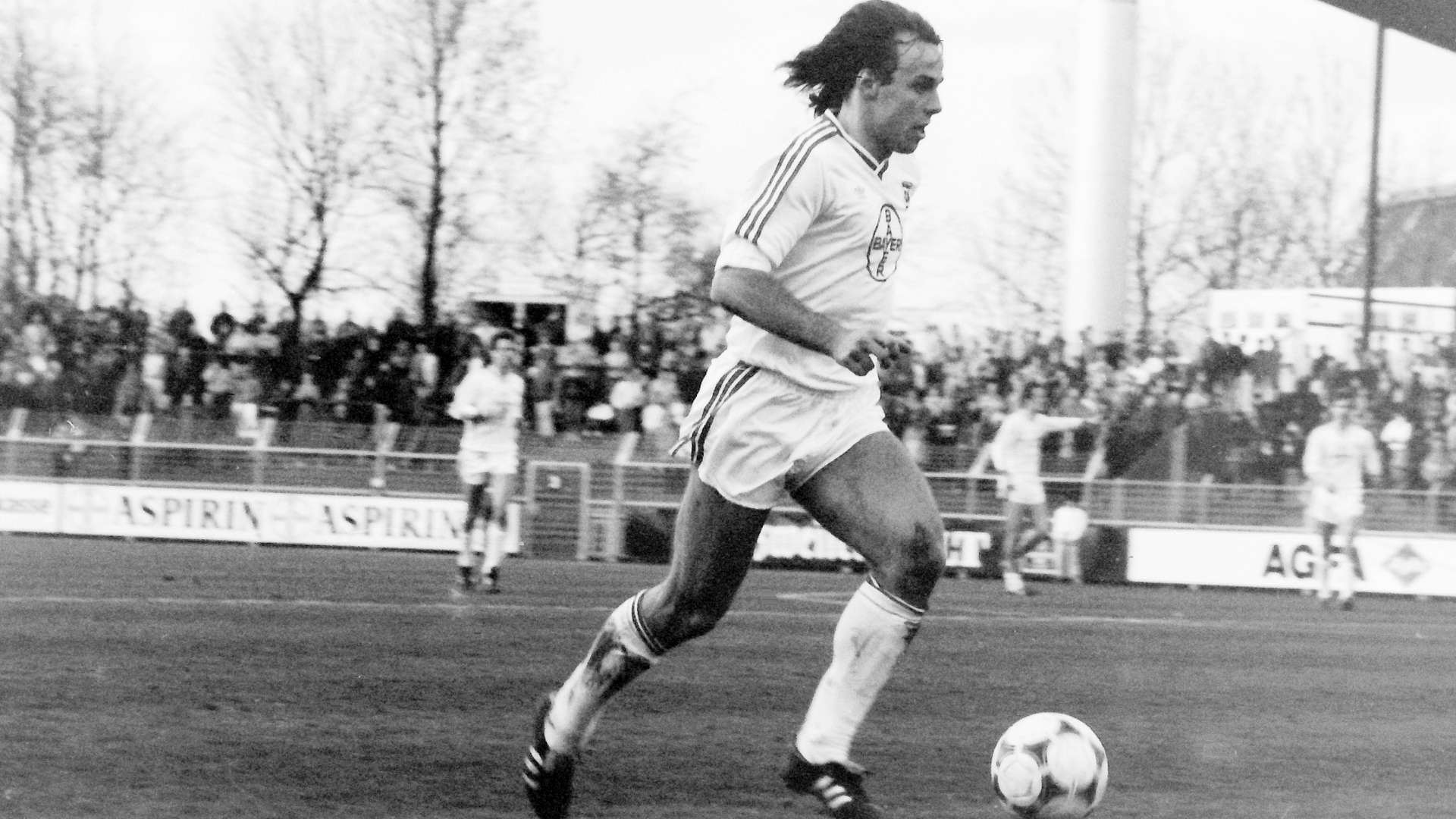
When Erich Ribbeck took over as coach of the Bayer 04 team in the summer of 1985, he turned the two central strikers Christian Schreier and Falko Götz into a defensive and an offensive midfielder respectively. He also succeeded in turning Atze into a right-back. From matchday eight the right side of the Werkself was: right-back Thomas Zechel, right defensive midfielder Christian Schreier, right attacking midfielder Falko Götz. Coach Erich Ribbeck turned three centre-forwards into a really dangerous attacking right side. Bayer 04 finished in a UEFA Cup spot for the first time at the end of the season. Atze played a big part in that. He played in 29 games and scored five goals.


After a middling next season with just 20 appearances, he had even less minutes on the pitch in the UEFA Cup season 1987/88 and he suffered more injuries. Nevertheless, the UEFA Cup trophy with Bayer 04 was his biggest sporting success. In his six years at Leverkusen, Atze made 77 appearances and scored six goals for the Werkself.
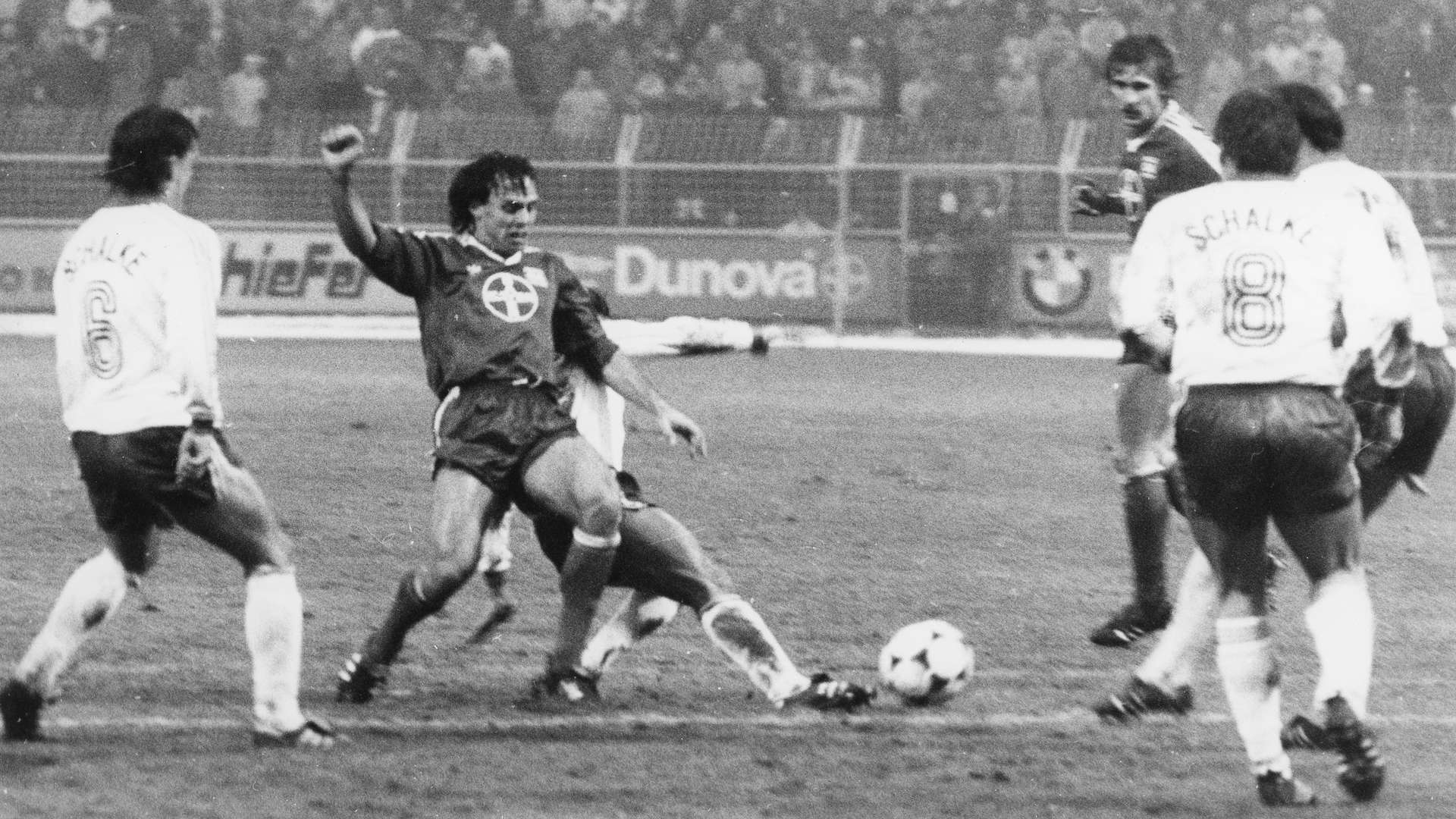
From 1988 he changed clubs every year. From Hannover via Waldhof Mannheim to Schalke 04 – those were his next clubs. His coach at Schalke was Peter Neururer who signed him for FC Saarbrücken in 1991. He became a first-team regular there in the next two years and gained promotion to the Bundesliga with the Saarland team who were then relegated again a year later. Thomas Zechel ended his professional playing career after a less than satisfying 1993/94 season.
He liked Saarland so much that he settled there with his wife. He played for and coached lower league teams in Saarland. In addition, the father of a daughter opened a garage, which was soon his main profession. Today he is the boss of his own firm that mainly deals with the preparation of ambulances.
Dear Atze, all the best, above all stay healthy, on your 60th. Have a great time and enjoyed the day.
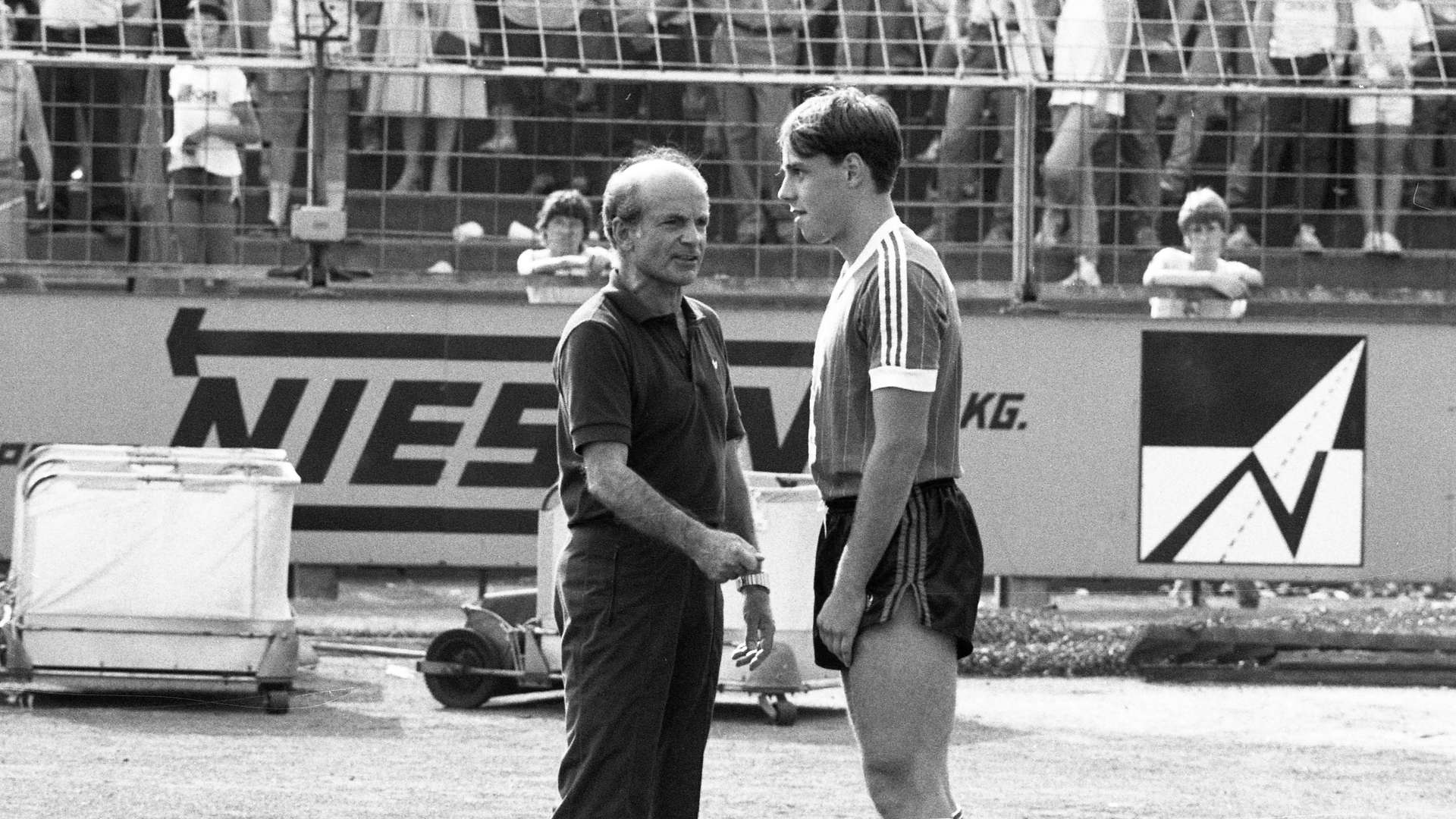
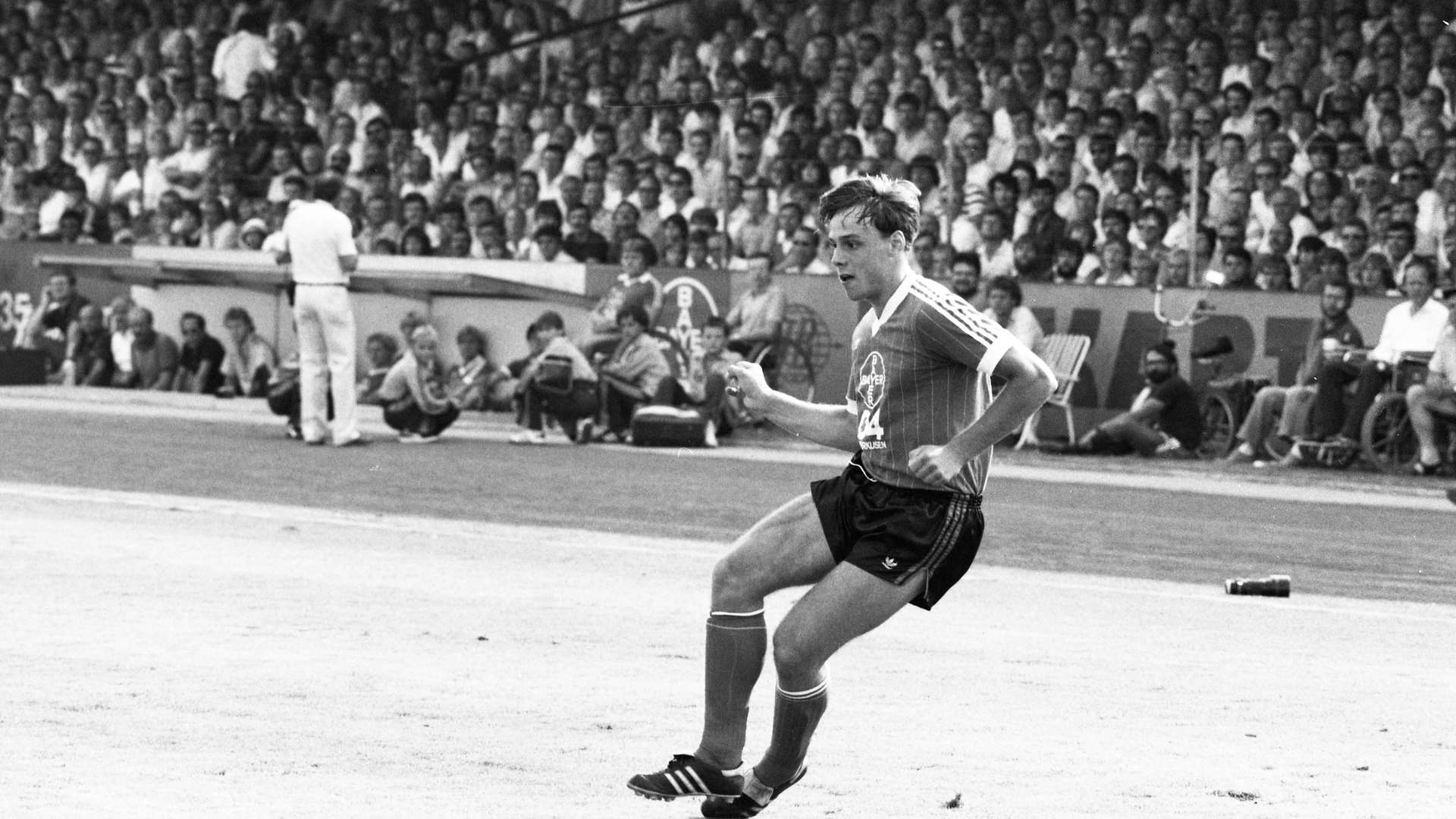
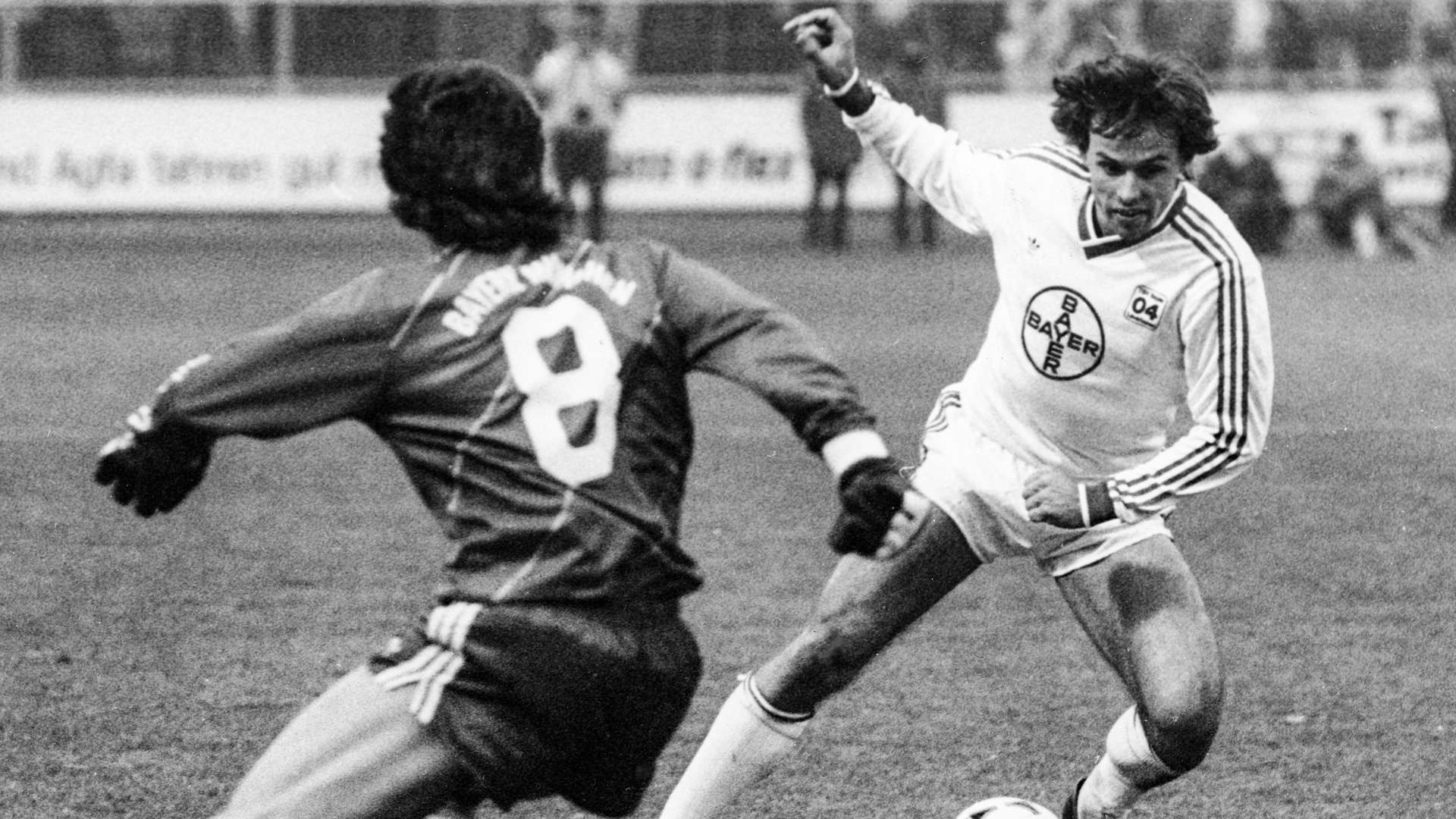
Dieter Bast was born in Oberhausen on 28 August 1951. He began playing football in the youth team at DJK Arminia Klosterhardt, a local club in Oberhausen. Whilst training as a toolmaker, he moved to neighbouring club Sterkrade 06/07 to play for their U19s, where he caught the eye of Bundesliga sides Rot-Weiss Essen and Borussia Mönchengladbach. Bast opted for Rot-Weiss and played in the Bundesliga from 1970 onwards. In his very first year, he made 22 appearances as a right winger, scoring three goals. Nevertheless, Essen were unable to avoid relegation.
Show more
José Vítor Roque Júnior was born on 31 August 1976 in Santa Rita do Sapucaí, in the Brazilian state of Minas Gerais. As a youth, he played for São José EC, a club in the east of the state of São Paulo. His professional career began in 1995 with Palmeiras São Paulo. There, Roque Júnior quickly established himself as a key player in the team, making more than 200 appearances and enjoying significant success. With the club, he won the Copa do Brasil in 1998 and the Copa Libertadores in 1999, the South American equivalent of the European Champions League.
Show more
In this video you can see impressive and important goals in the history of Bayer 04 from the month of August. It's not always about the beauty of the goals, but also a reminder of special games and players.
Show more
The Werkself play their first top-flight match in Bayer 04’s history away at Sportfreunde Katernberg. 7,000 spectators turn up at the Am Lindenbruch stadium in that district of Essen. The Katernbergers have transformed the once ‘barren’ pitch into a real gem. On this Sunday afternoon, 19 August 1951, the lush turf provides the perfect conditions for a good game of football.
Show more
Following a thoroughly successful start with a 2–1 home win against VfL Wolfsburg, the Werkself are organising a team event. On Wednesdays, they head to the Nürburgring together and do a few laps at speed. Manager Klaus Toppmöller welcomes this initiative, as it promotes team spirit and integration. During weekly training sessions, the team works extensively on various defensive tactics, as the manager was dissatisfied with his players’ pressing in the final minutes of the match against the Wolves.
Show more