Yes, I'd like to see videos dispalyed.
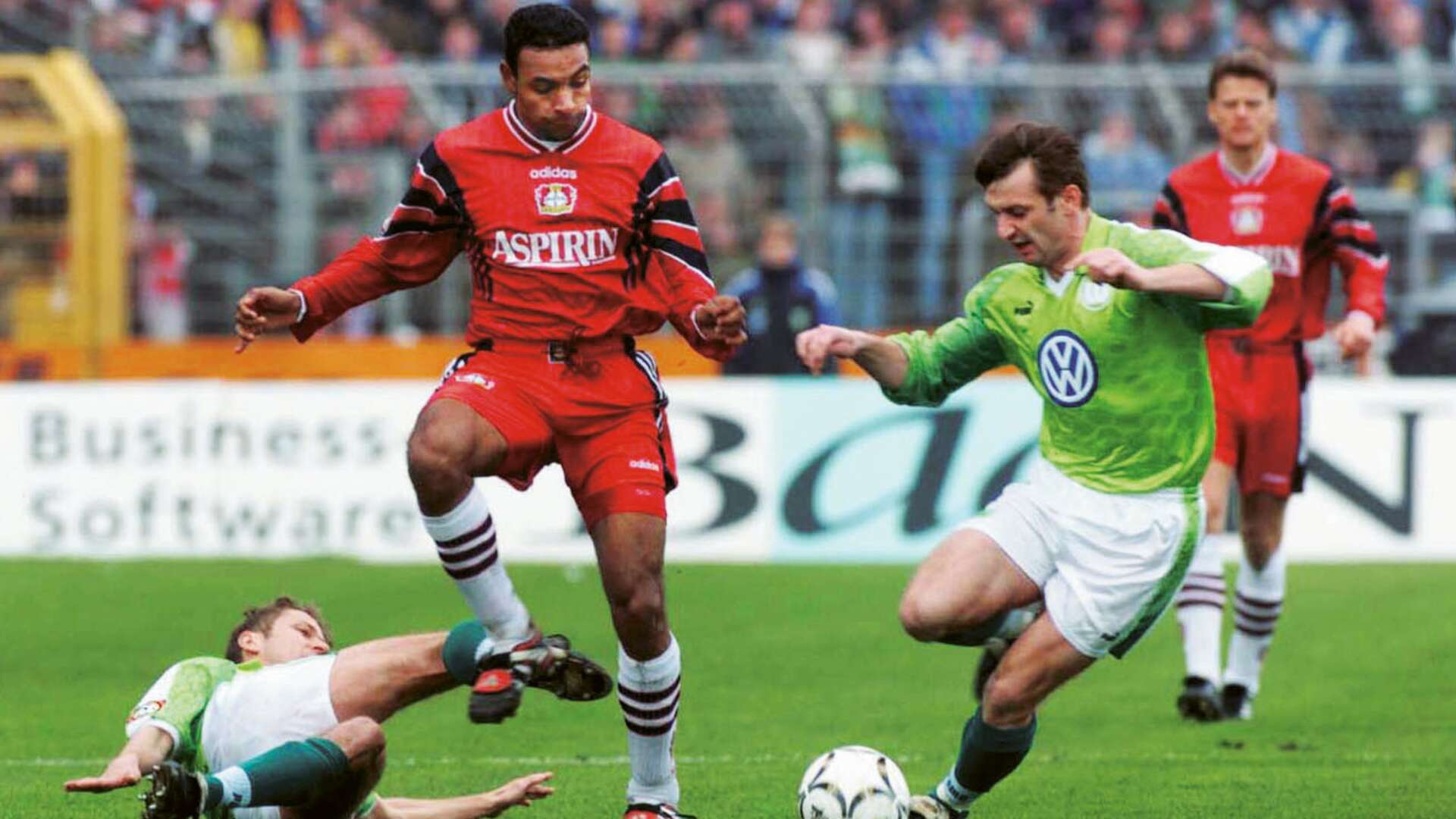
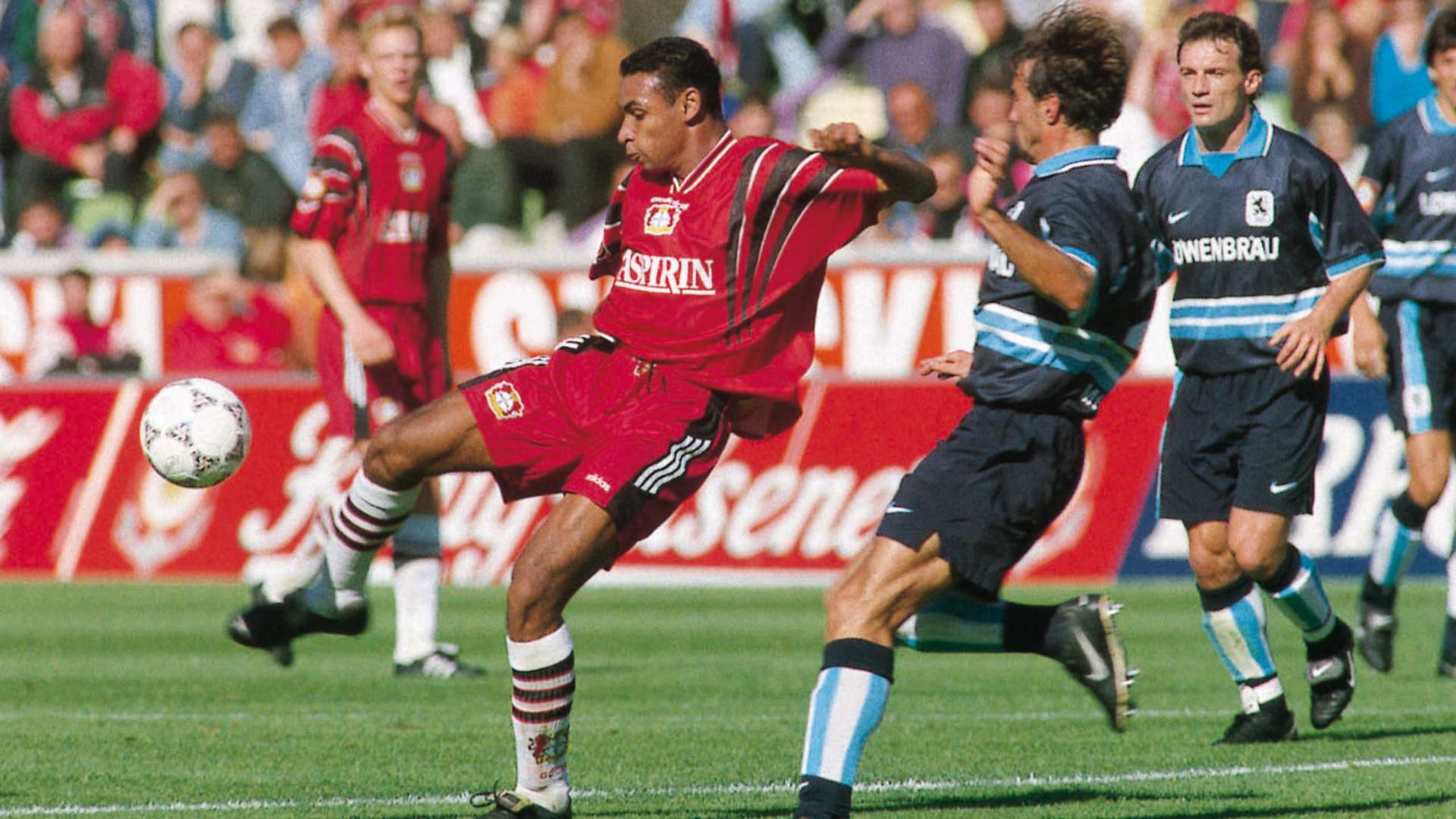
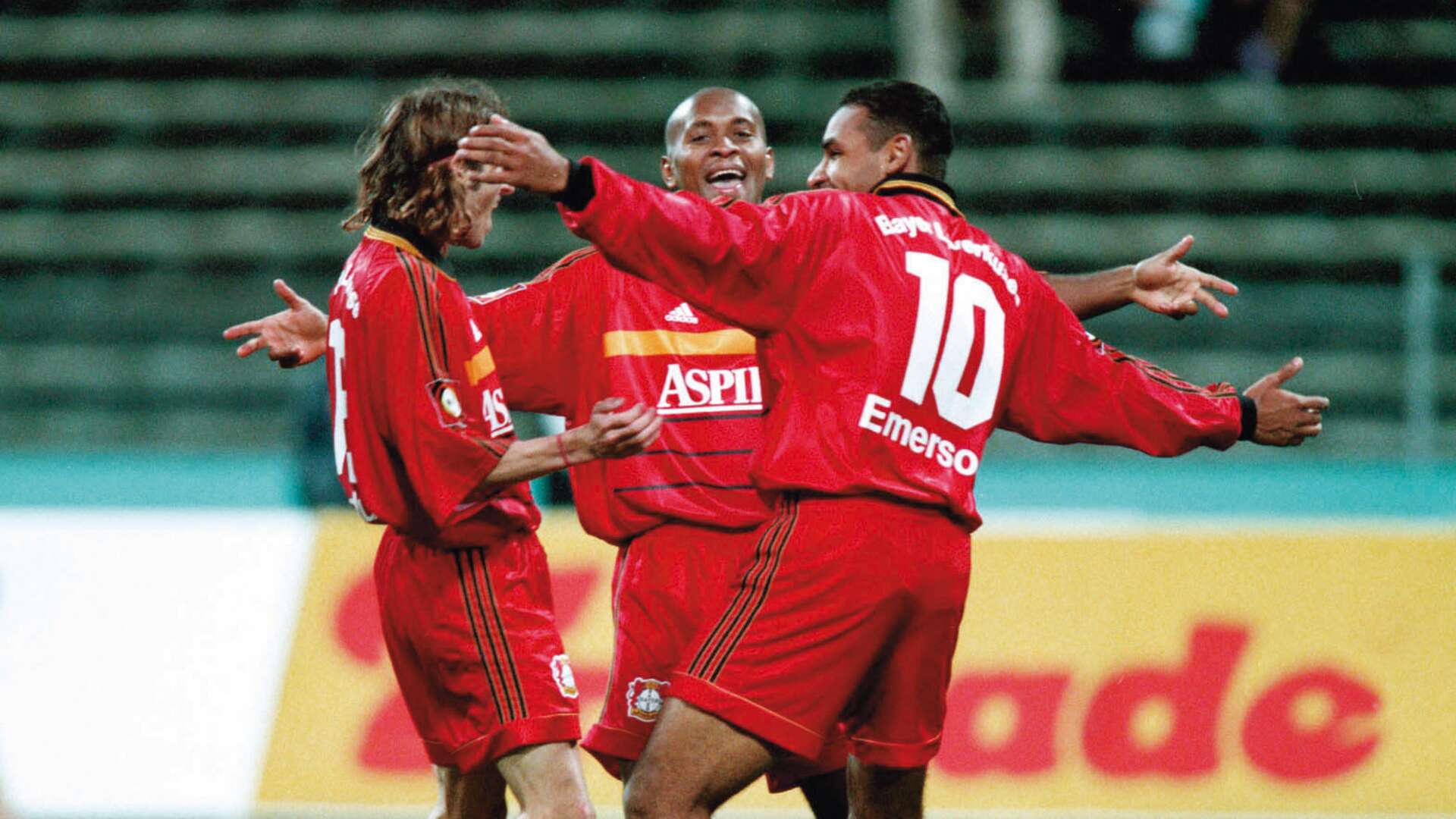
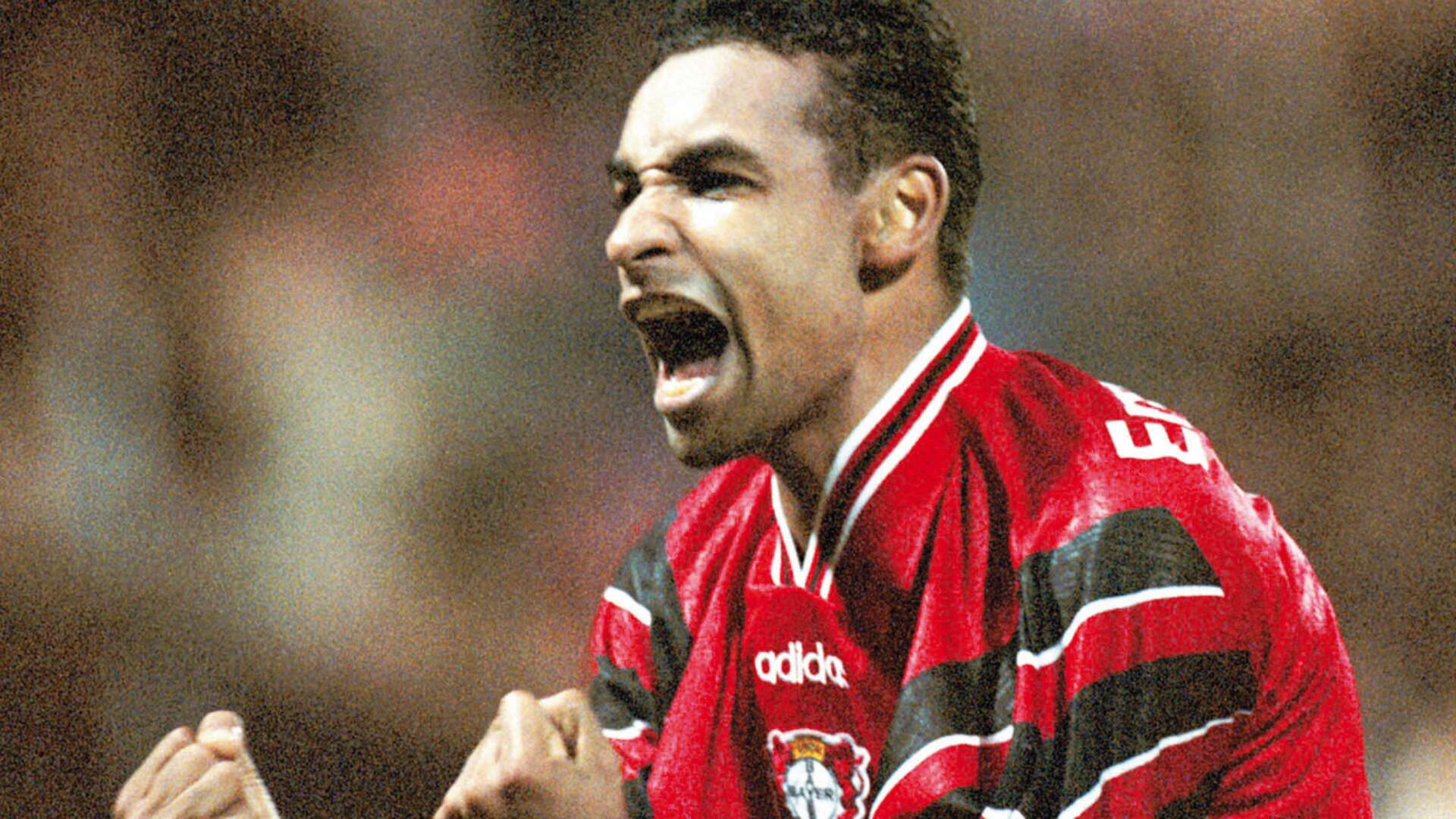
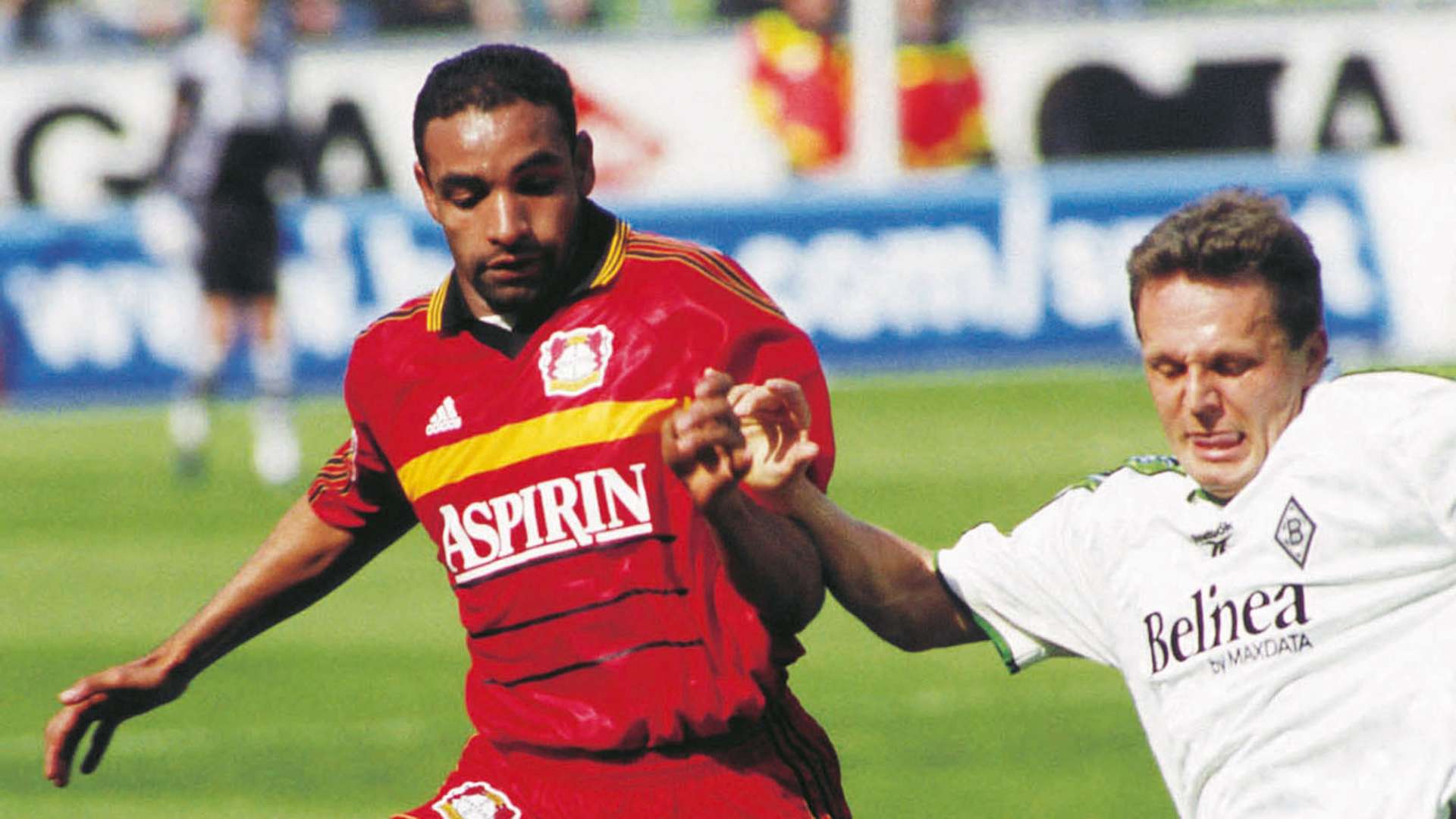
Without hesitating for long, Emerson made the move to Europe in 1997 and joined Bayer. In his first year, things were so up-and-down for him that coach Christoph Daum asked him in a team meeting whether he, Christoph Daum, had seen Emma's twin brother while scouting in Brazil and when would he let his brother come to Europe, because he needed him for his team.
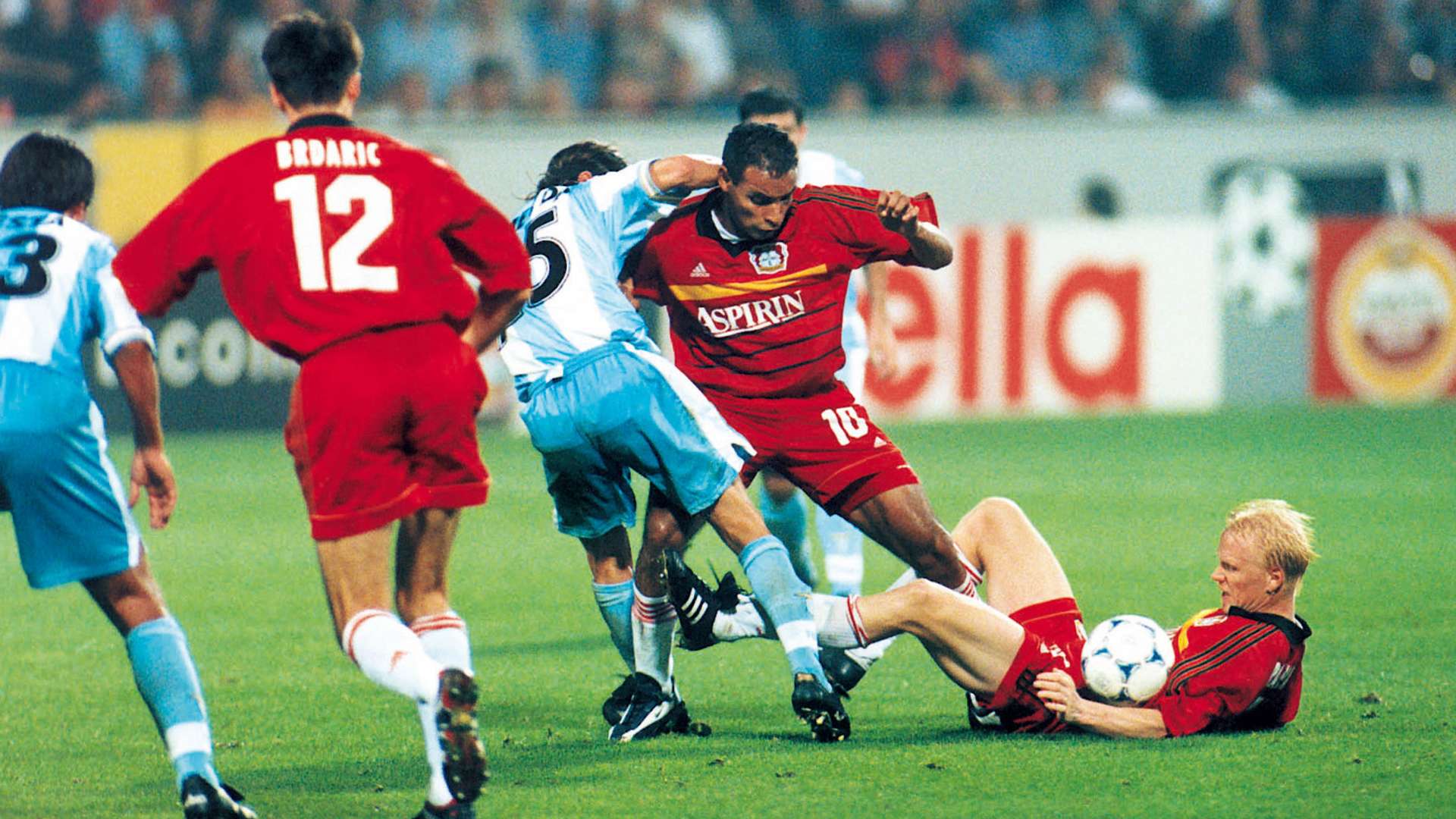
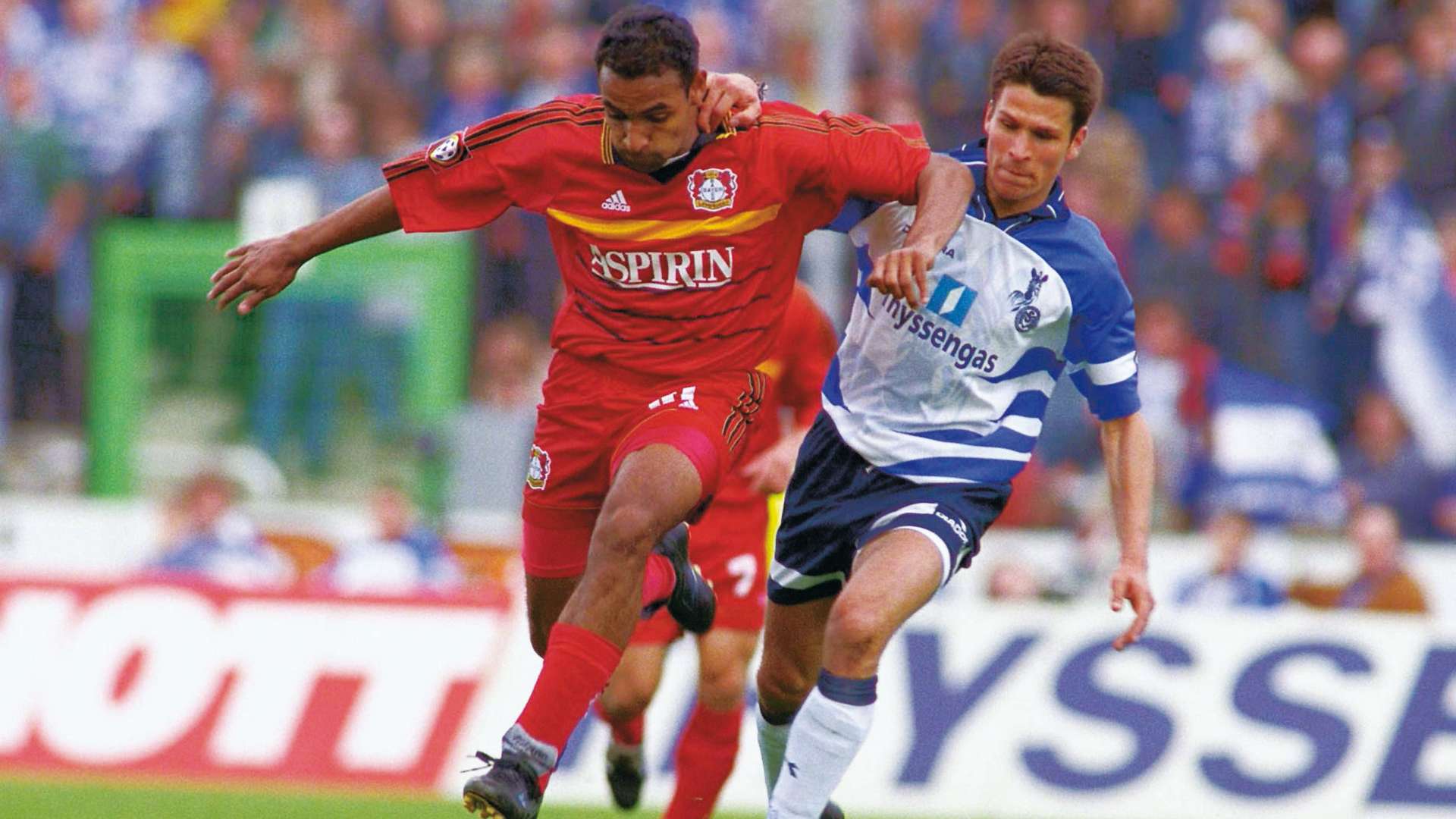
After tearing a muscle in December 1997, he was out for several weeks, but then he finally took off. From the Rückrunde in 1997/98 season, Emma impressed for the next two and a half years with his long sprints through midfield, his strength in duels and his long passes. In 108 matches, he scored 15 goals for us. In the 1999/2000 season, Bayer 04 were on the verge of a major breakthrough, but Emerson and his colleagues failed due to their own nerves in Unterhaching.
His national team career also began during his time in Leverkusen. He played a total of 73 games for the Selecao, in which he scored six goals. In 1998, as a young player, he was in the Brazil national team squad for the World Cup in France. His call-up was initially met with astonishment and even criticism. Shortly before the tournament, superstar Romário had to be replaced and many expected an established name - not the young, still inexperienced Emerson. But coach Zagallo put his trust in his versatility.


After the season with the Unterhaching drama, Emma moved to AS Roma in Italy in 2000. In the Eternal City, Emerson quickly developed into a central midfielder and the favourite of coach Fabio Capello. He took on managerial responsibility and played a key role in ending a long period without a title for the club. He became Italian champion with the Romans in 2001 and stayed until 2004.
These four years in the Italian capital also saw his worst sporting experience. At the 2002 World Cup in South Korea and Japan, he was supposed to lead the Selecao through the tournament as captain, but shortly before the start of the World Cup, he was seriously injured during a training session in Asia. During the final training session before the first group game against Turkey, Emma was in goal for fun. He makes a save and suffers a serious injury to his collarbone. The result is bitter - Emerson misses the entire World Cup and can only watch his country win the title from the sidelines.
For the 2004/05 season, the now 28-year-old followed his coach Fabio Capello to Juventus - although he actually fancied a move to Real Madrid. While Emerson was in Germany for the 2006 World Cup, his club Juventus was relegated to Serie B as a result of the match fixing scandal. Emma leaves Turin together with coach Capello and moves to Real Madrid.
However, the World Cup was not the success he hoped for. He not only wanted to defend the title with Brazil, but also actively participate in the World Cup himself this time. He was able to play, but the great triumph failed to materialise as Brazil were eliminated from the tournament surprisingly early.
His move to Spain after the World Cup brought him the La Liga title in 2007, but he did not play his usual role in the Real team. After one year, he decided to return to Serie A. He joined AC Milan, but does not become a regular in two years. On 21 April 2009, Emerson terminated his contract in Milan for personal reasons and returned to Brazil. There he played for FC Santos. Just a few months later, in October 2009, Emerson ended his playing career and left the football stage for good.
Dear Emma, I wish you all the best for your 50th birthday. Stay healthy and have a good one!
Jacek Krzynowek was born on 15 May 1976 in Kamiensk, Poland, and grew up as a typical country boy. He spent his childhood less in structured training sessions and more on simple pitches, where he spent hours playing football with older boys. He realised early on that he had exceptional shooting power and enormous stamina. But for a long time, he didn't appreciate just how much talent he had. While others dream of a great career, professional football initially seems like a distant world to him that he only knows from television.
Show more
Carsten ‘Calle’ Ramelow was born in Berlin on 20 March 1974. He began his football career in the youth teams at Tasmania 73, Tennis Borussia, SC Siemensstadt and, last but not least, Hertha Berlin. It was here that he reached the DFB Pokal final in 1993 with the Hertha Bubis team, the amateur team at Hertha Berlin, against his future employer Bayer 04 Leverkusen. But even he was unable to prevent the Werkself's 1-0 victory thanks to a goal from Ulf Kirsten.
Show more
The 1995/1996 season brought some innovations. For the first time, each player was given a squad number with his name printed on the back of the jersey. For the first time, coaches were allowed to make three substitutions and for the first time, three points are awarded for a win. And for the first time, I am no longer my team's number 1. I wear it on my back, but Dirk Heinen has taken over me in goal. So at first I sat on the bench a bit offended, but in the Rückrunde I realised I also had to make my contribution to the success of a team.
Show more
In this video you can see impressive and important goals in the history of Bayer 04 from the month of May. It's not always about the beauty of the goals, but also a reminder of special games and players.
Show more
Bayer 04 Leverkusen, promoted to the Oberliga West, welcome VfL 99 Köln for the last game of a successful season. This time, the crowd of just 2,000 spectators saw more of a friendly than a championship match. Little fight, little goalmouth action and few moves in midfield to warm the hearts of the spectators. It takes a corner to give Bayer 04 the lead. Peter Röger is on hand with his head and nods home on 43 minutes for the half-time lead. When Karl-Heinz Spikofski increased the lead to 2-0 a quarter of an hour after the restart, the result was settled. The team from Cologne were able to reduce the deficit to 2-1 in the final minute, but in the end the spectators went home looking forward to the first season for a Bayer 04 team in Oberliga West 1.
Show more