Back
1.06.2025Bayer 04

Legends: Schnix, the ‘white Brazilian’

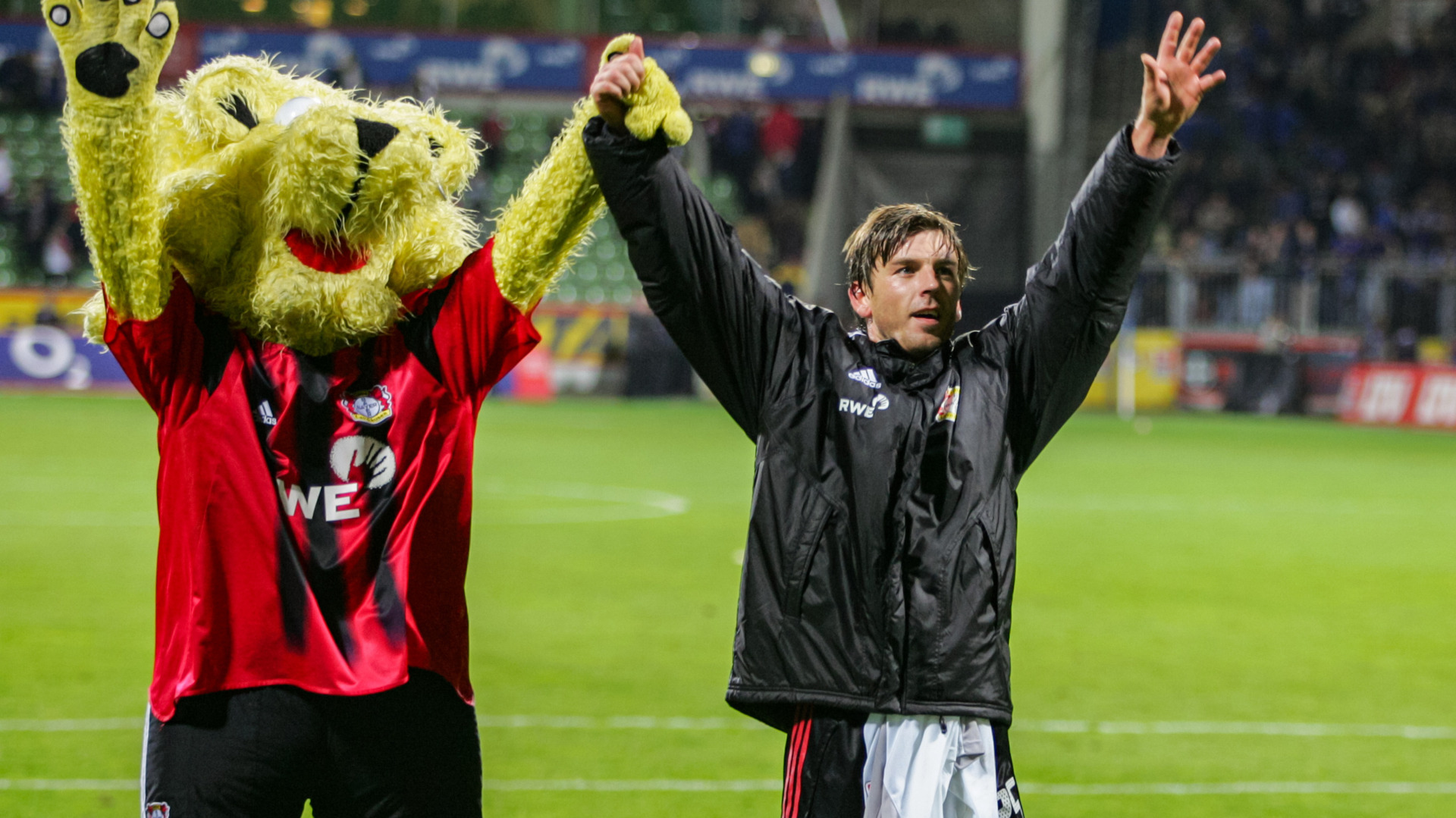
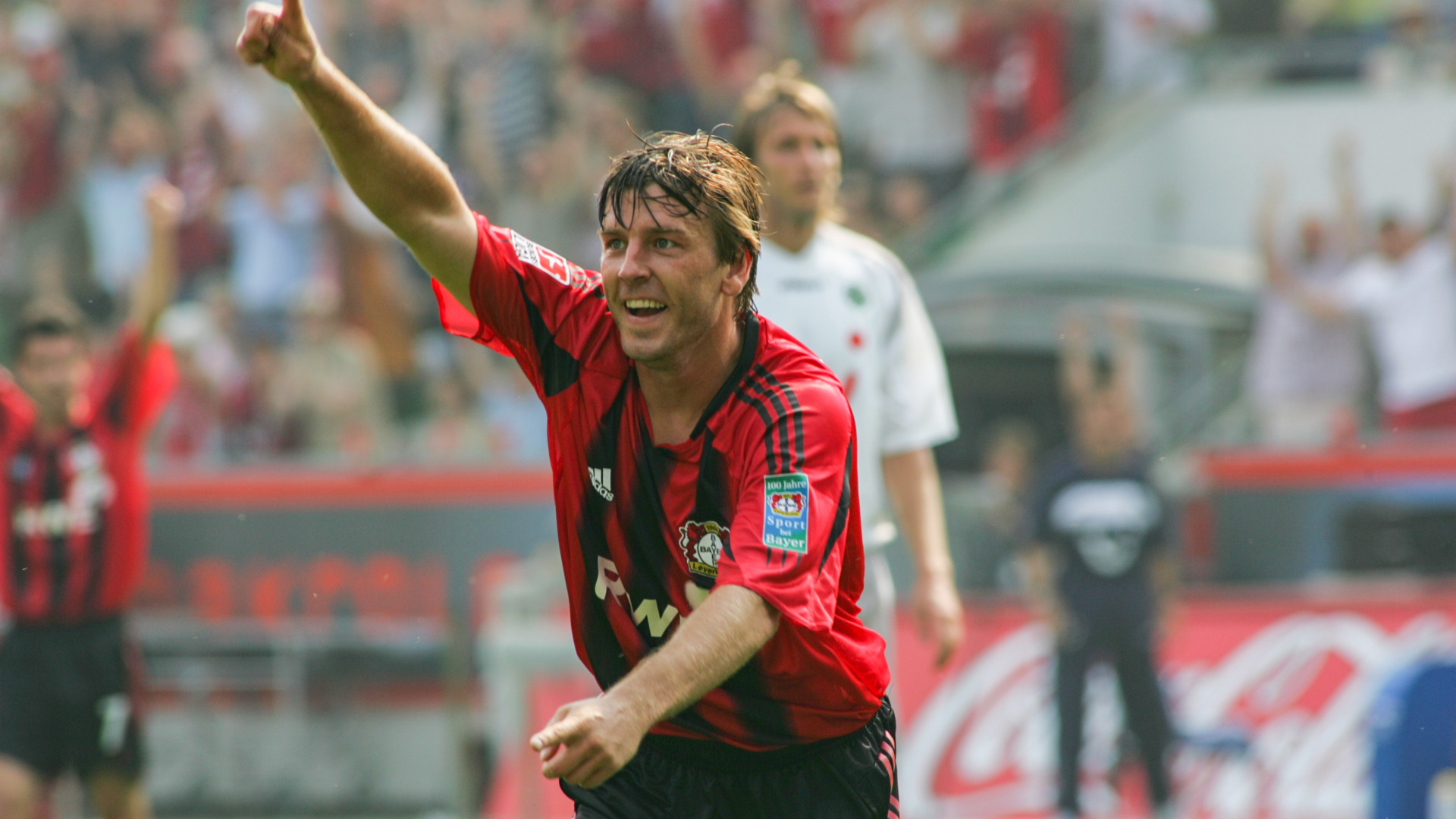
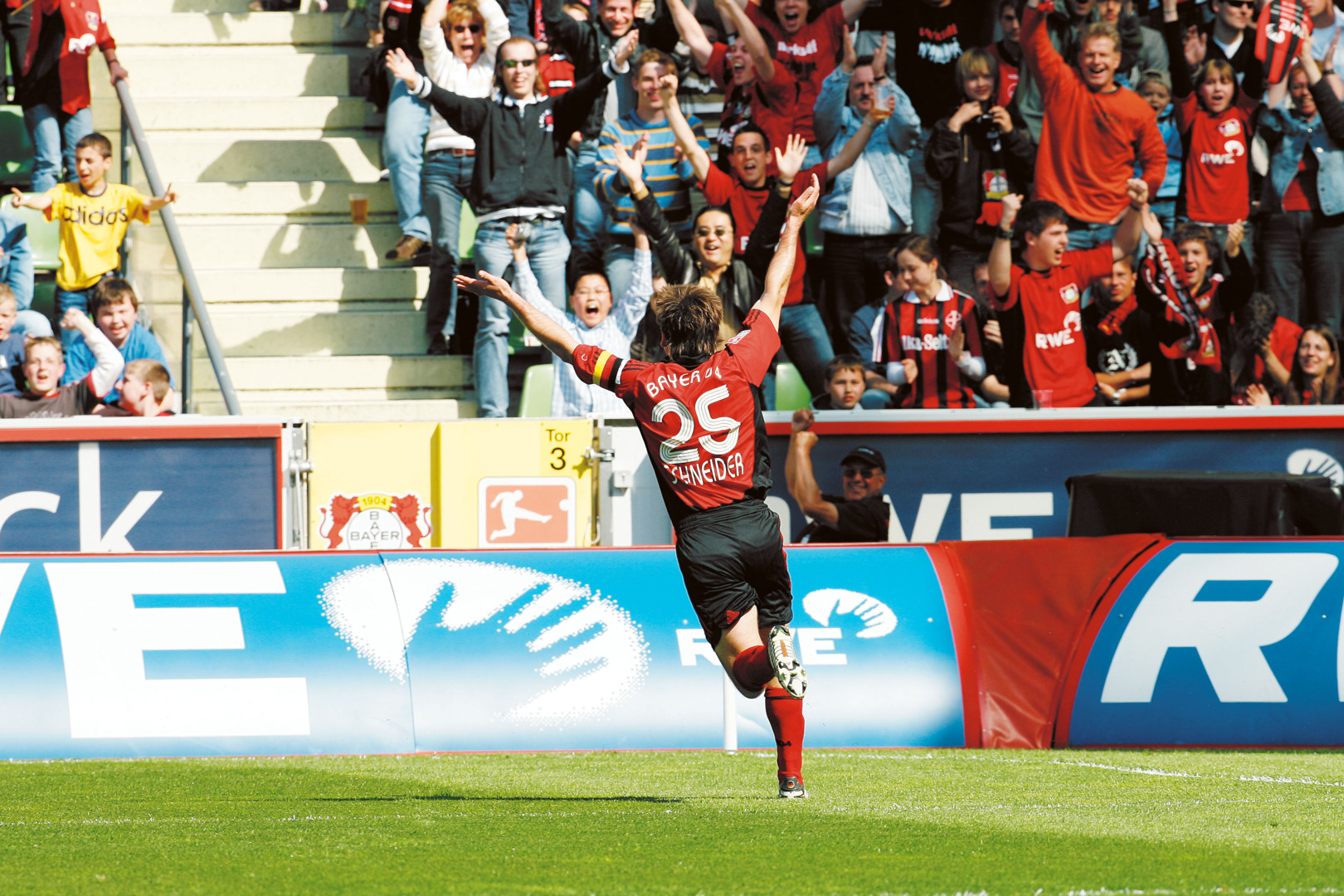
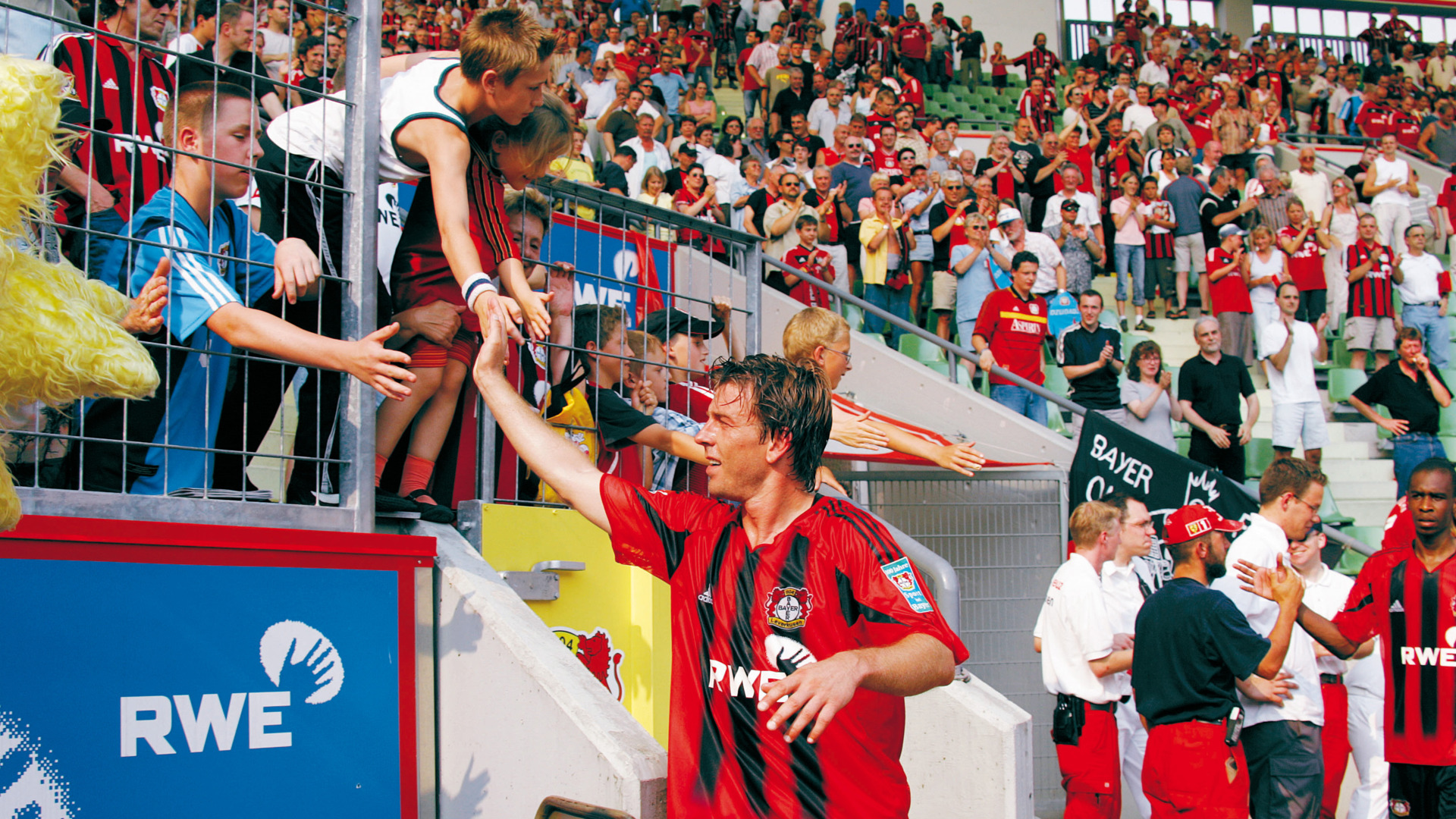
Bernd Schneider, born in Jena on 17 November 1973, spent his early years in the German Democratic Republic. He took his first steps in football at the two Jena clubs BSG Aufbau and FC Carl Zeiss, the biggest club in his hometown. He played in the second division for six years in the 90s. Bernd Schneider stood out as an accomplished dribbler with his experience from street football always evident. His nickname Schnix comes from the Thuringian dialect: ‘Schnixeln’ is a synonym for dribbling, being able to control the ball. After Jena were relegated in 1998, Schnix went in the opposite direction. Newly promoted Eintracht Frankfurt brought into the Bundesliga. He spent a year there.

Display videos

Yes, I'd like to see videos dispalyed.

He came to Leverkusen in 1999. In his first year at Bayer 04, Bernd Schneider and his teammates had a traumatic experience. A defeat against newly promoted Unterhaching on the last day of the season saw the Werkself miss out on winning the league title. 2002 turned out to be even more of a blow with Bayer 04 again finishing second in the Bundesliga and defeats in both the DFB Pokal final against Schalke 04 as well as the Champions League final against Real Madrid.

Schnix went on to help shape the Werkself game for many years as he experienced highs and lows with Bayer 04. He fought for the dream of winning a trophy to the end. After a complicated injury that forced him to take a break of more than a year in 2008/09, Bernd made an emotional comeback on matchday 33 in the home game against Borussia Mönchengladbach in Düsseldorf.

Shortly after Schnix returned to the Leverkusen line-up, the then Germany coach Erich Ribbeck picked him for the national team. Bernd was in the squad for the Confed Cup in 1999. He was not involved in Euro 2000 a year later but then made the breakthrough for Germany under team boss Rudi Völler. Schnix was one of the best players on the pitch in 2001 in the crucial play-off matches in the World Cup qualifier against Ukraine.

That earned him a place in the Germany squad for the 2002 World Cup in South Korea and Japan. As a first choice on the right side of midfield, he made it all the way to the final with Germany. Bernd Schneider had one of the best games of his career against the clear World Cup favourites Brazil including superstar Ronaldo. He drove his opposite number Roberto Carlos to distraction with his wily tricks and was a constant threat to the Brazilian defence. The match ended in a 2-0 defeat and the fourth runners-up title in 2002 for the "white Brazilian."
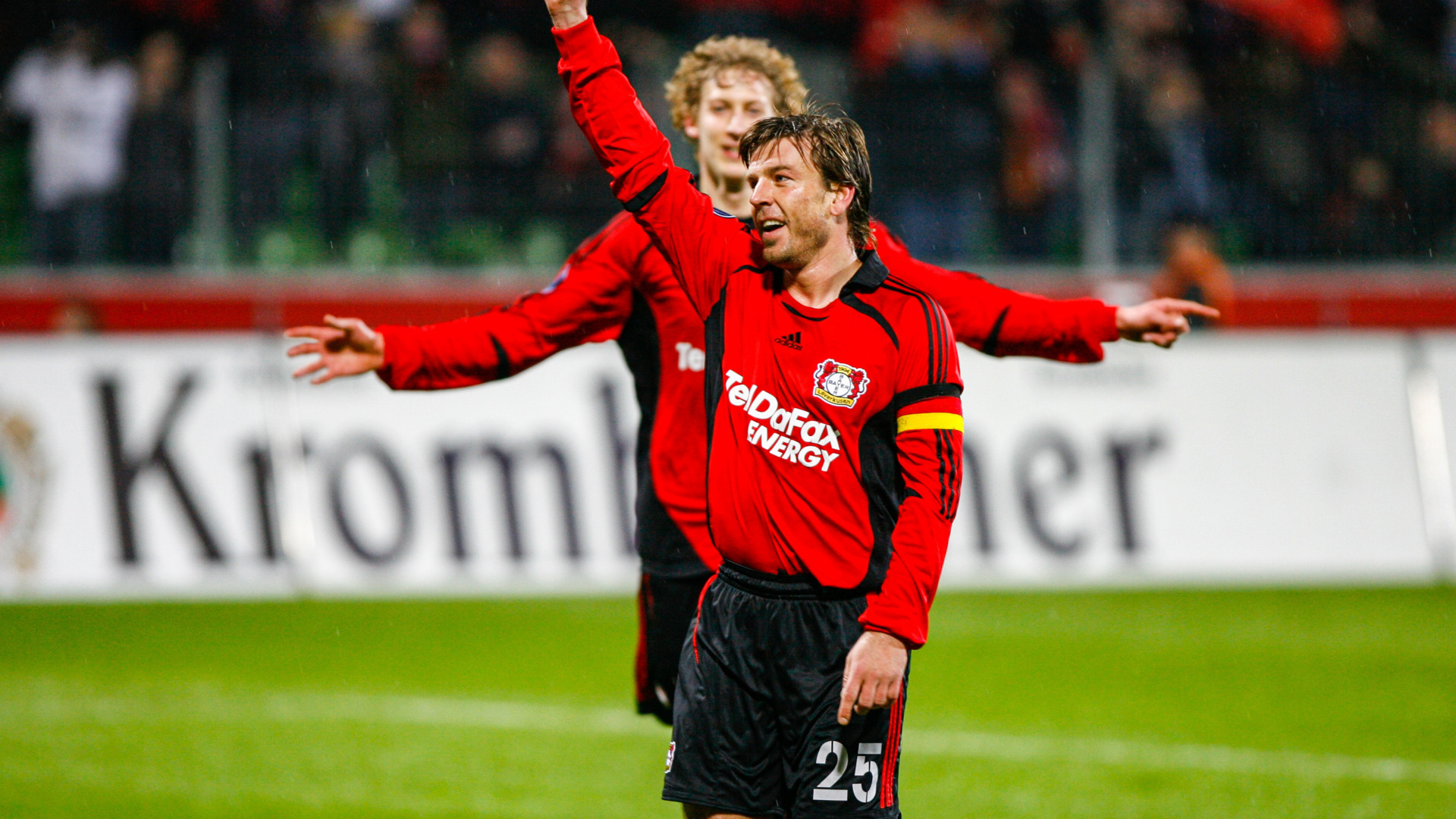
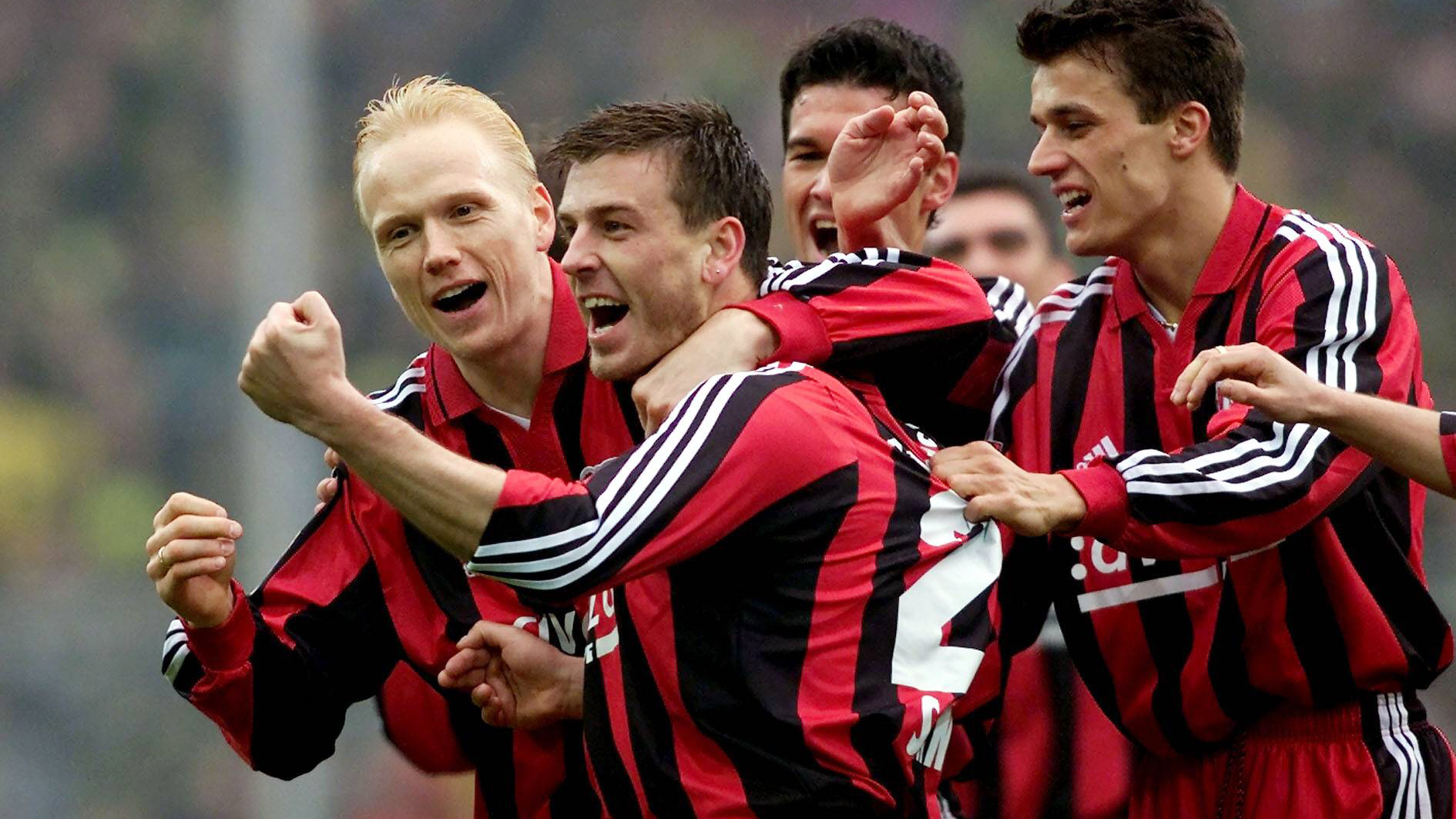
Bernd Schneider

Two years later, Bernd and Germany went out of Euro 2004 in Portugal at the group stage. He was once again after the backbone of the Germany World Cup team in 2006. In the 4-2 win in the opening match against Costa Rica, he led the Germany team out as captain in place of the injured Michael Ballack. Schnix play for Germany up to the start of 2008 when a back injury ended his international career.

Bayer 04 Leverkusen celebrated his achievements in style after the involuntary end to his career in 2009. May 2010 brought an emotional farewell appearance with a lot of former contemporaries from Jena, Frankfurt and the Germany team – including Jens Lehmann, Michael Ballack, Ulf Kirsten, Oliver Neuville and many more. The commentator Marcel Reif best summed up what many people throughout Germany were thinking: “He gave us pleasure with his way of playing football. Leading without big gestures, without airs and graces. That's how you'd like to see your sons on the pitch. Bernd Schneider, I really liked you. All the best."

After his playing career ended he settled in his hometown of Jena with his wife Carina and the two children. The Bayer 04 honorary captain is still a regular visitor to the BayArena and from time to time he plays for our veterans team.

Related News

Harry Gniech wird 75 | Geburtstagskind des Monats Oktober
Bayer 04 - 01.10.2026

Birthday boy of the month 1: Harry Gniech turns 75

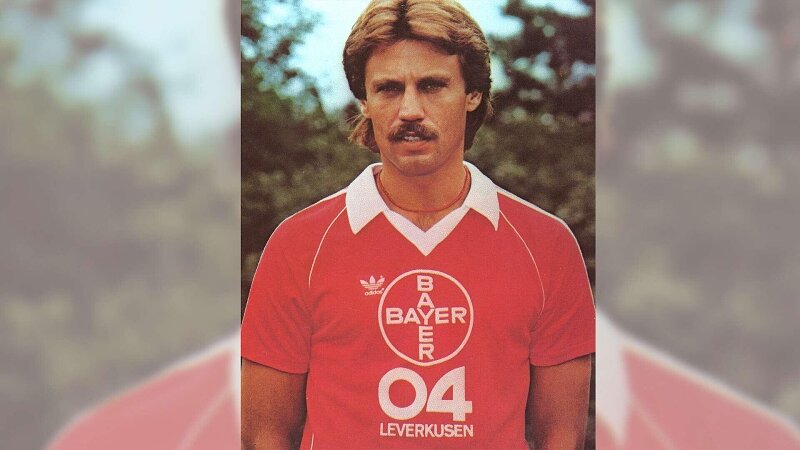
Harry Gniech was born on 14 October 1951 in Leverkusen-Schlebusch. At the age of six, he joined SV Bayer 04, initially in the athletics section. The boy actually wanted to play football, but was only allowed to switch to the football team when he turned nine. Harry quickly established himself as a playmaker in midfield. Despite his talent, the path from the youth team to the first-team squad was a long one back then. In the 1973–74 season, his former U19 coach, Friedhelm Renno – who was by then in charge of Bayer 04’s first team – selected him for his first match with the professional squad.

Show more
Henrique
Bayer 04 - 01.10.2026

Birthday boy of the month 2: Henrique turns 40

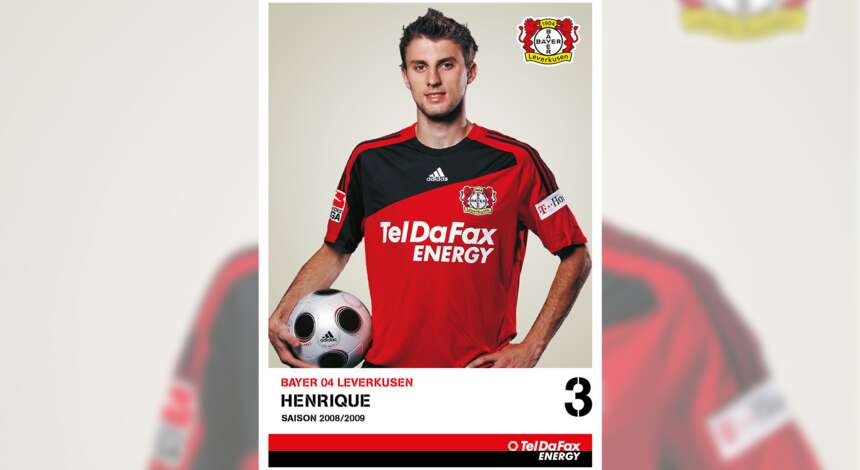
Henrique Adriano Buss, known as Henrique, was born on 14 October 1986 in Marechal Cândido Rondon, a town in the Brazilian state of Paraná. At the age of 13, he joined Coritiba FC and made the step up to the first team in 2006. Henrique helped the team gain promotion to the Brazilian top flight and then moved on to Palmeiras FC. After just five matches for his new club, the 1.85-metre-tall centre-back was signed by Barcelona in 2008 for ten million euros and loaned to Bayer 04 for one year for a fee of €400,000.

Show more
Constant Djakpa
Bayer 04 - 01.10.2026

Birthday Boy of the Month 3: Constant Djakpa turns 40

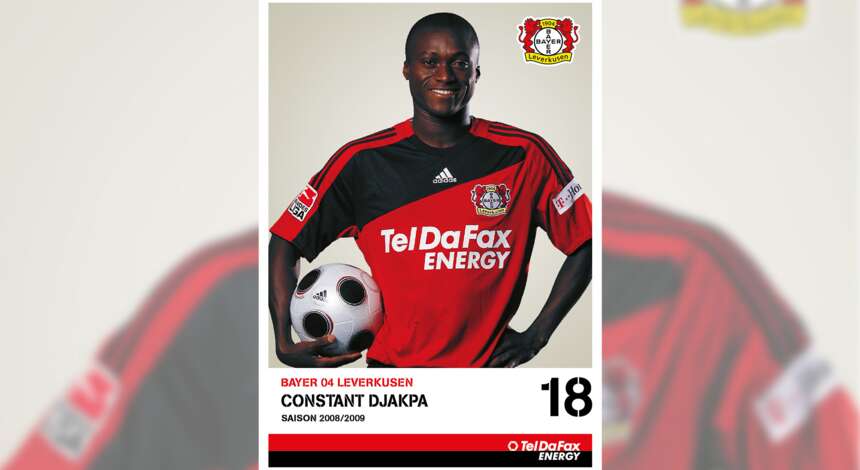
Constant Djakpa was born on 17 October 1986 in Abidjan, Ivory Coast. He started playing football at the age of five. He took his first steps in professional football at Stella Club d’Adjamé, before moving on to Sogndal IL in Norway. His path eventually led him to Germany via the Romanian club Pandurii Târgu Jiu.

Show more
Von Glowacz bis Bellarabi | Tore des Monats Oktober
Bayer 04 - 01.10.2026

Goals of the month: From Glowacz to Bellarabi

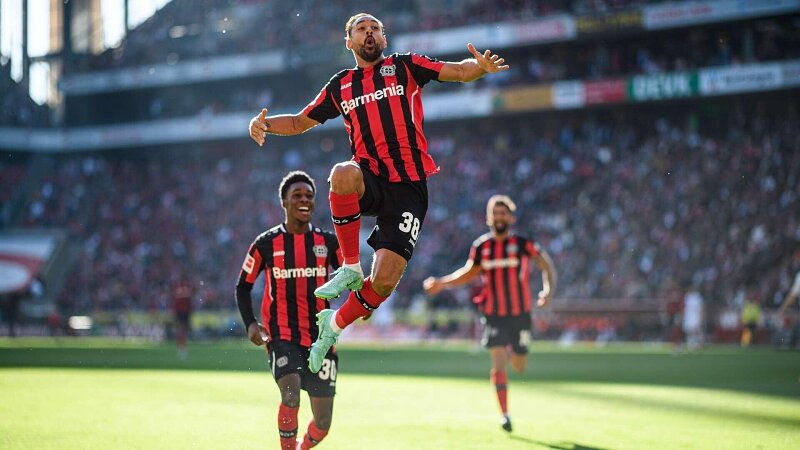
In this video you can see impressive and important goals in the history of Bayer 04 from the month of October. It's not always about the beauty of the goals, but also a reminder of special games and players.

Show more
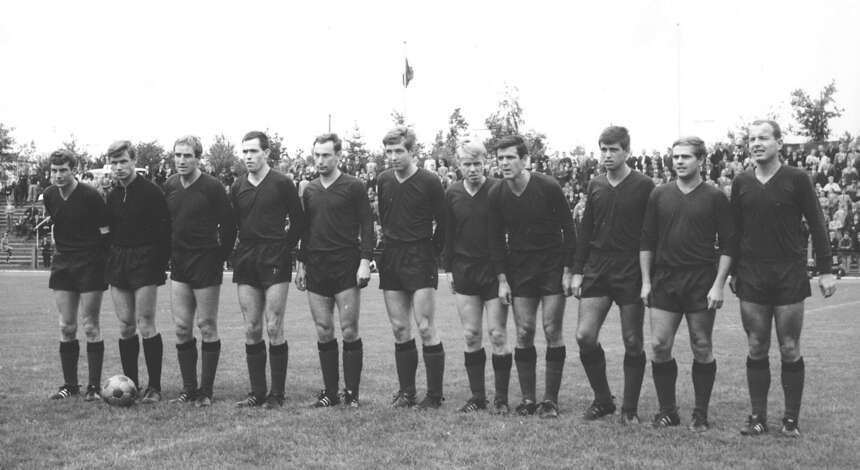
Die Werkself im Jahr 1966
Bayer 04 - 01.10.2026

From the archives: 60 years ago – The strike

In the first week of October 1966, professional footballers decided to take an unusual step – they went on strike. They felt compelled to resort to this action, which was relatively uncommon until then, to give greater weight to their demands for fair pay. They reasoned that, with three draws, they were entitled to a bonus; at the very least, a points bonus of 75 Deutschmarks that was agreed before the start of the season.

Show more