Yes, I'd like to see videos dispalyed.
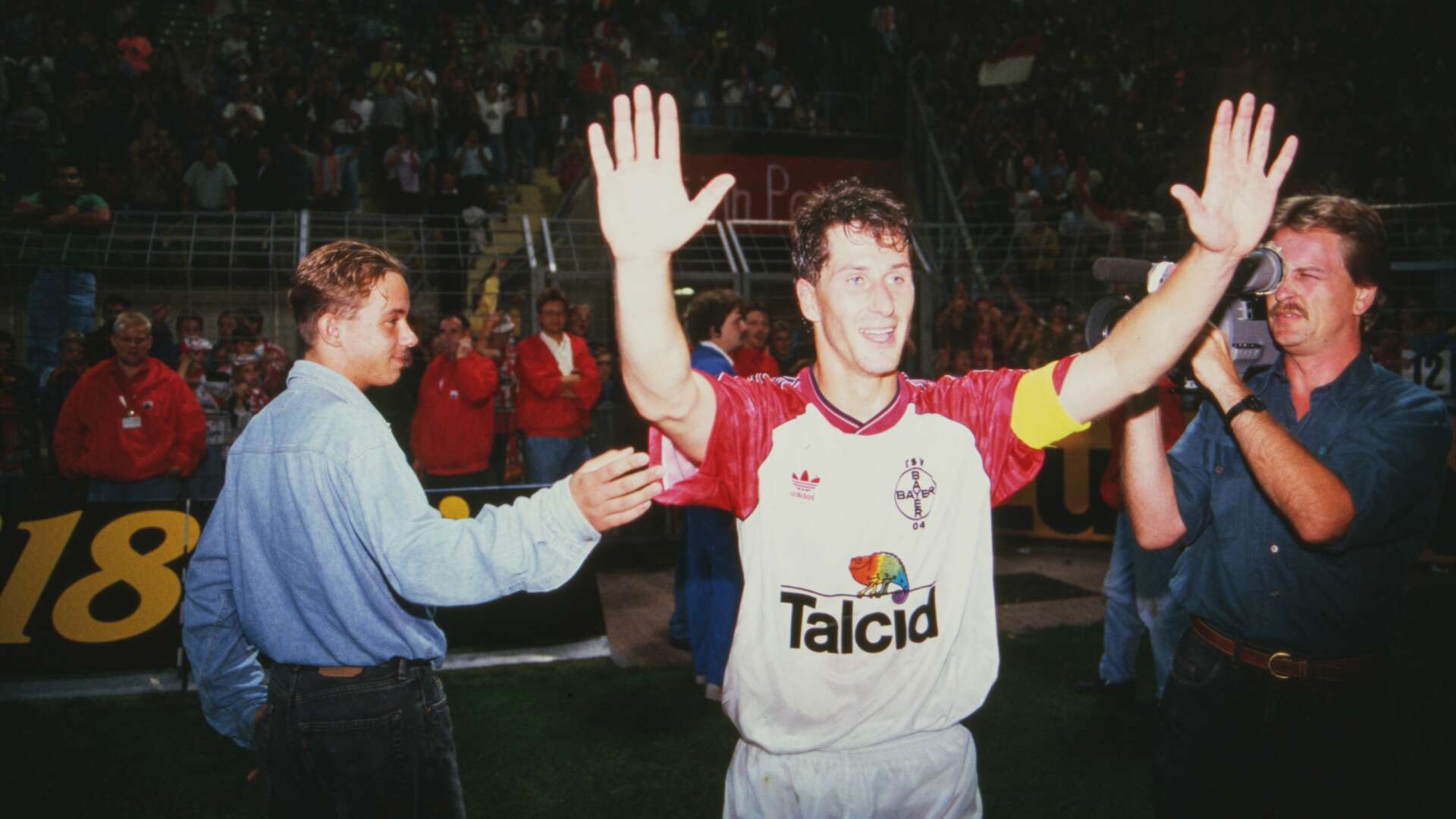
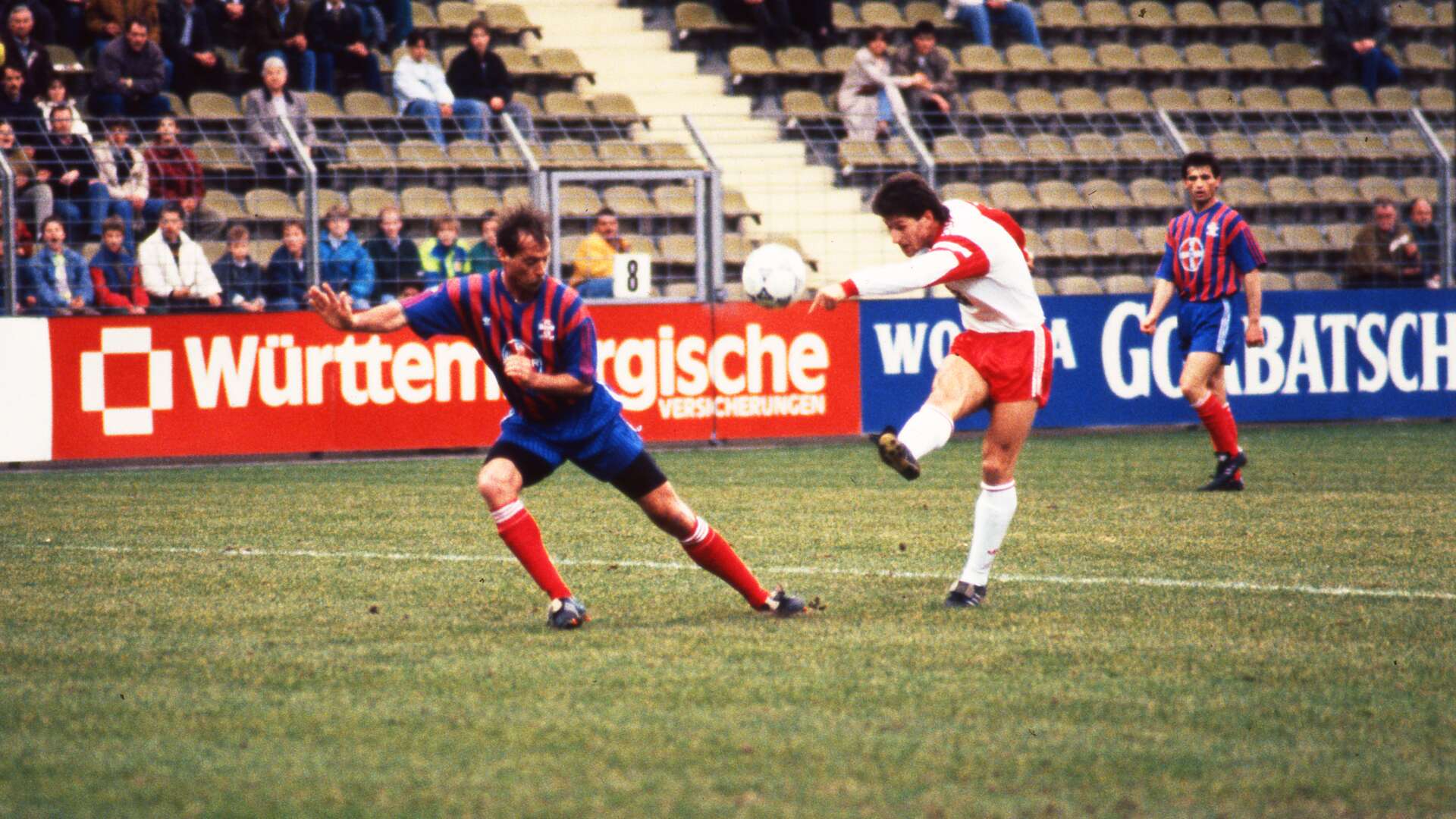
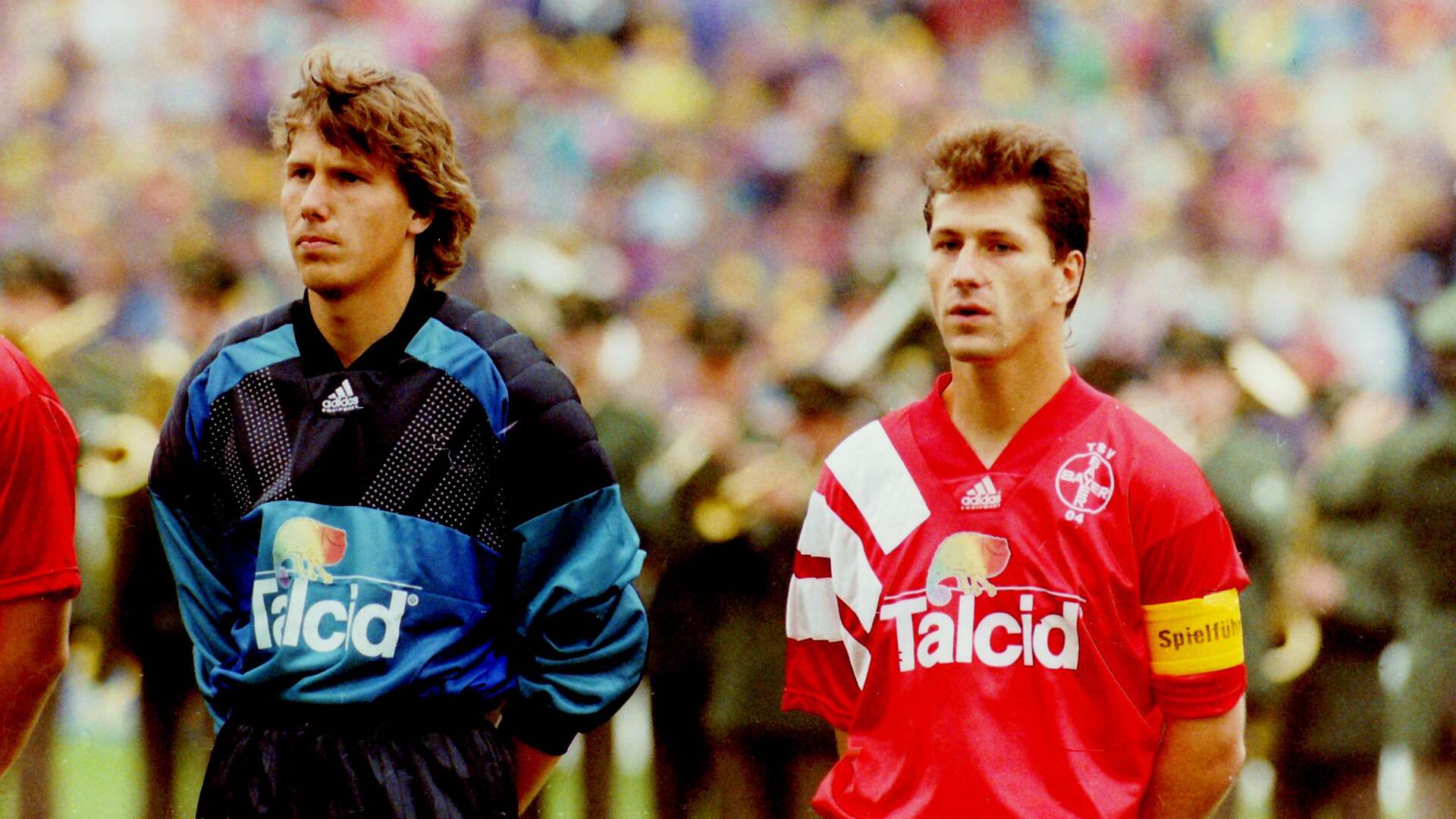
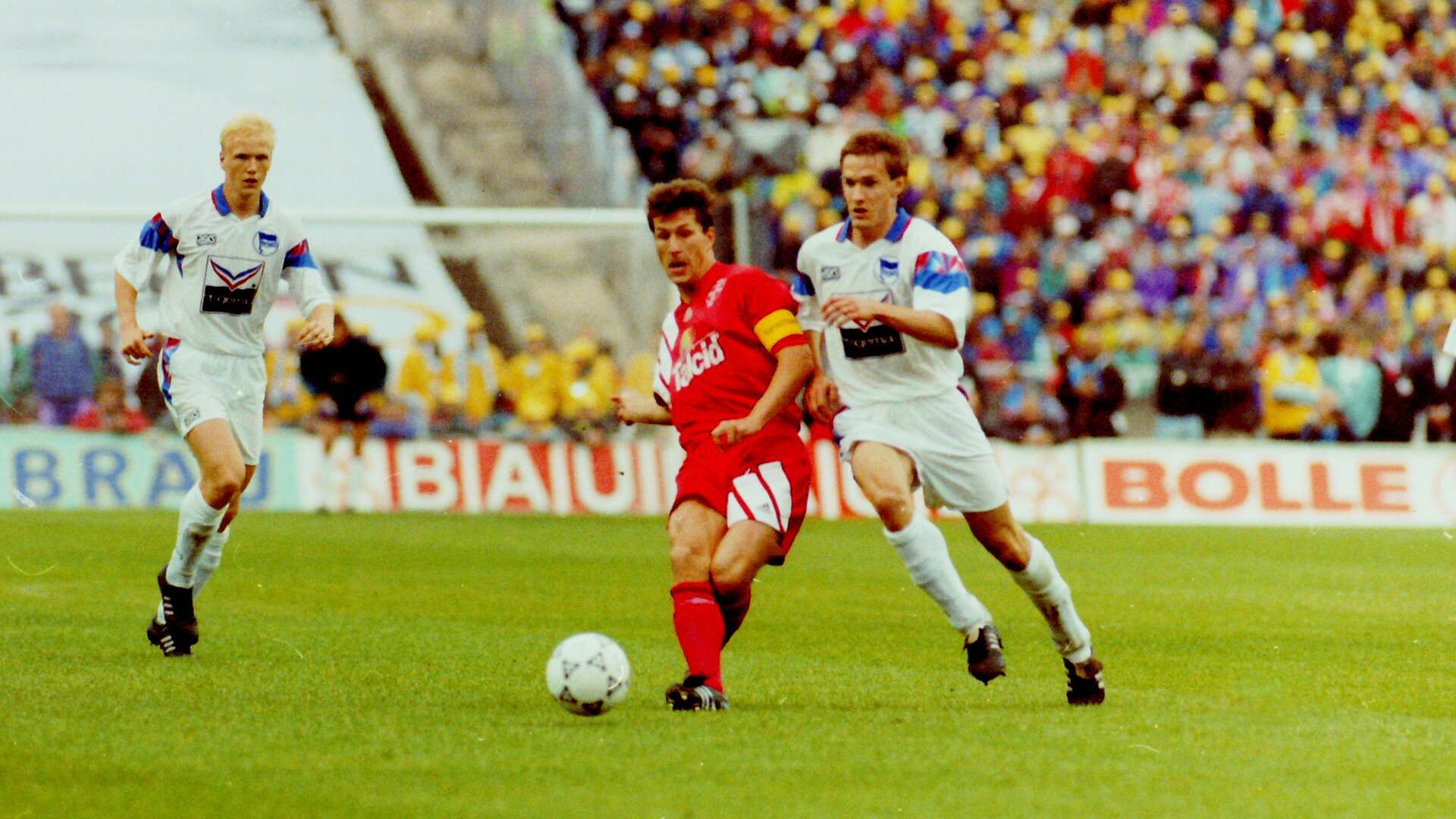
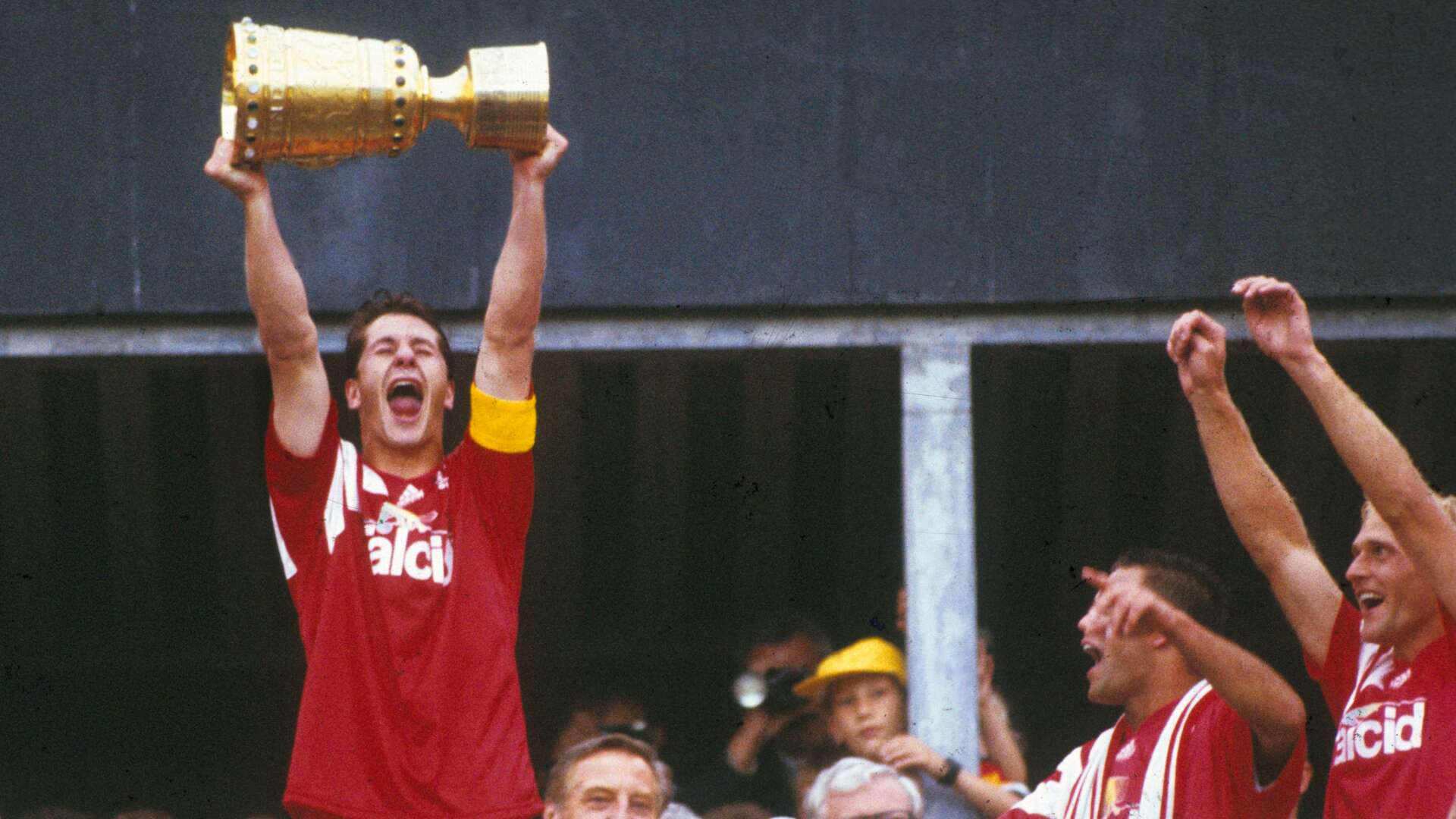
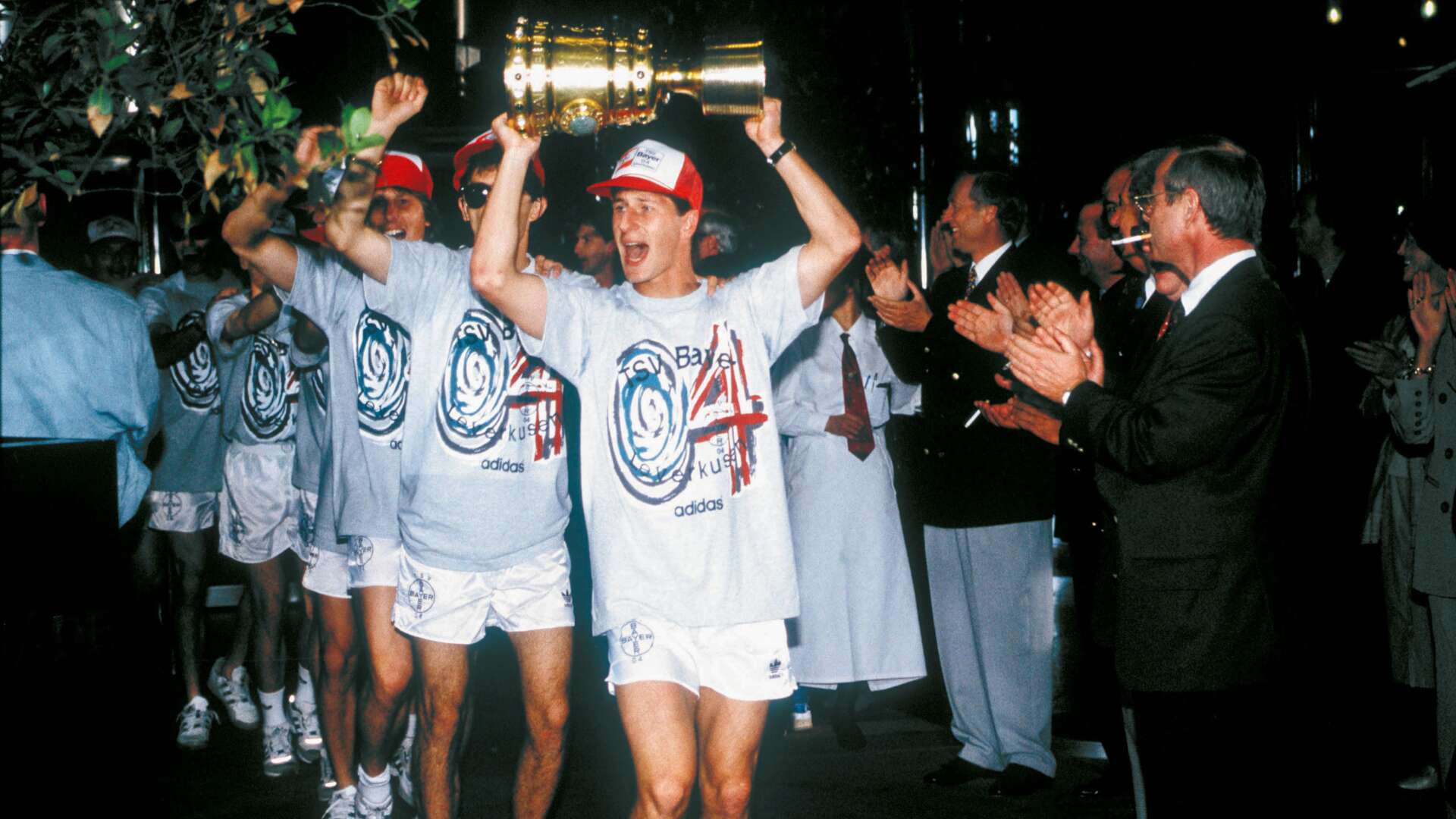
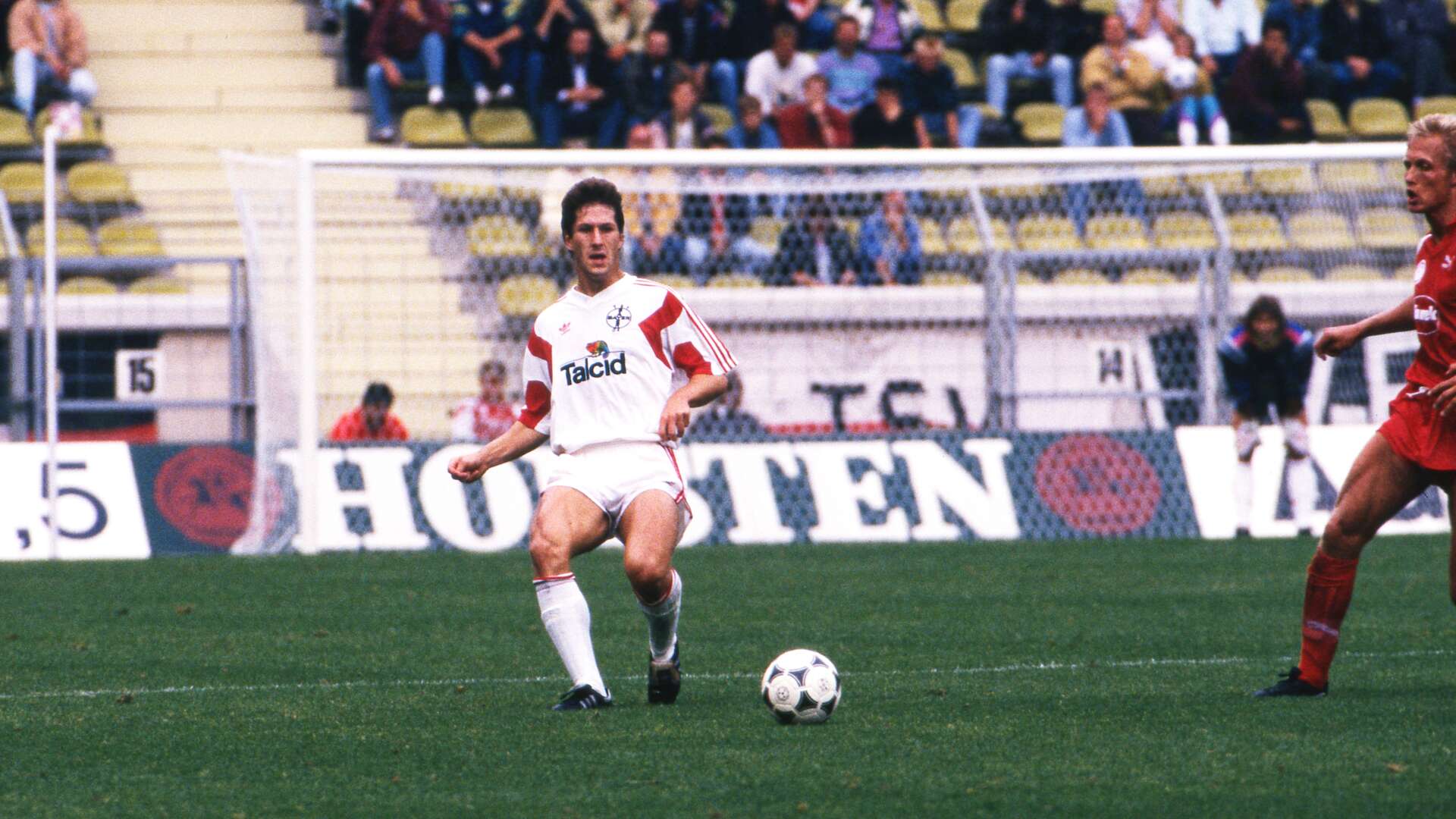
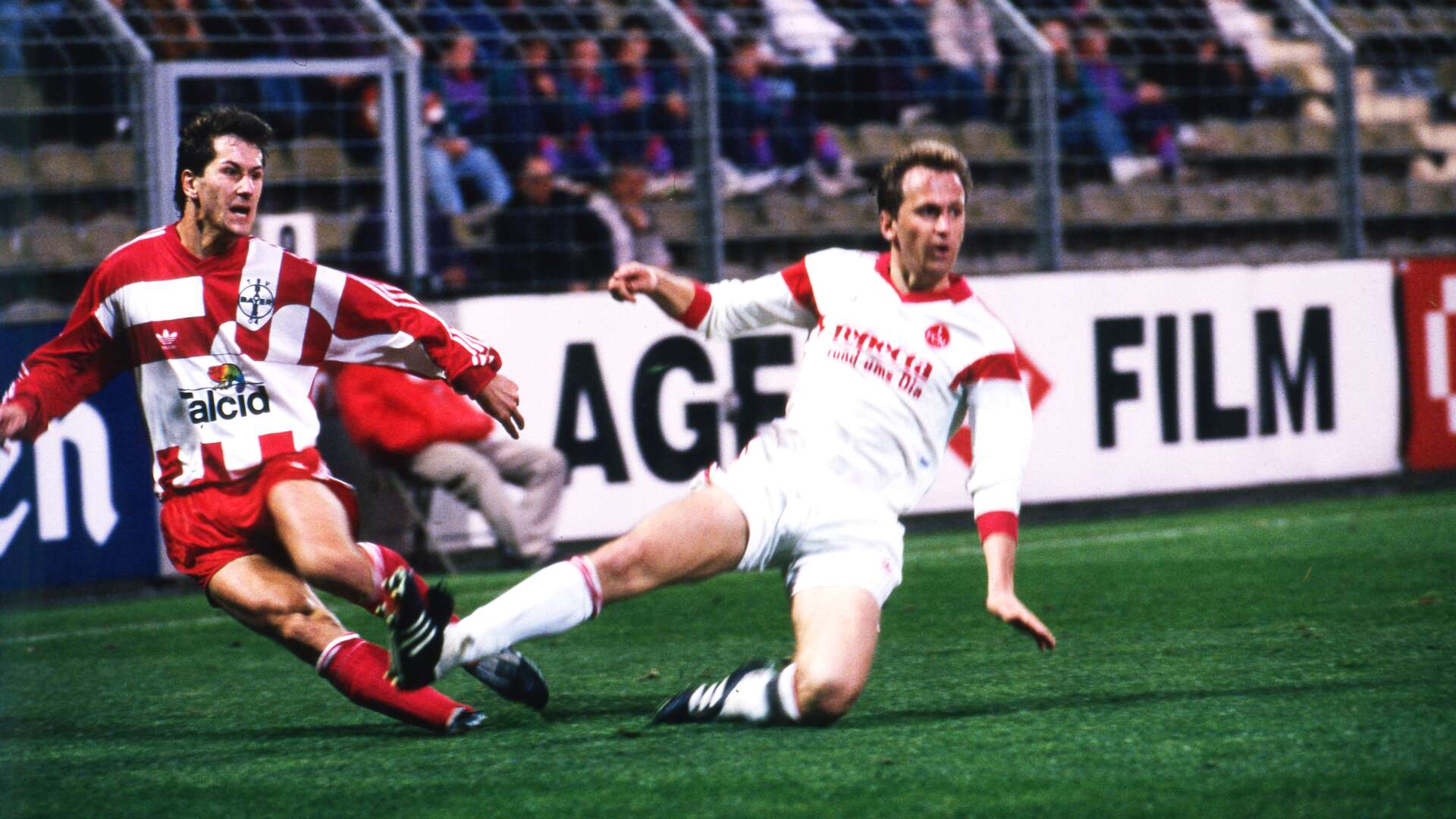
After three years at Arminia Bielefeld and FC Saarbrücken, his path led him back to Kaiserslautern. In 1990, he won the DFB Pokal with Lauterer and moved to Bayer 04 at the end of the season. Franco played mainly as a sweeper for the next four years and captained the Werkself to DFB Pokal victory in 1993. He made a total of 140 appearances for Bayer 04 and scored ten goals along the way.
Another trophy came in 1997: He also won the DFB Pokal with VfB Stuttgart. His career then took him abroad, where Franco played for FC Basel in Switzerland and SK Sturm Graz in Austria, among others. He won the Austrian league title twice with Sturm Graz and took part in the UEFA Champions League with the club.
After the end of his playing career, Franco Foda remained closely connected to football. He began his coaching career at SK Sturm Graz as a youth coach, but took on the role of assistant coach of the first team just one year later and was appointed head coach on 1 June 2006. In this role, he led the club to the Austrian league title in 2010/11. Further coaching positions followed, including at FC Kaiserslautern, before he returned to Sturm Graz as head coach in September 2014.


From 30 October 2017, Franco Foda was in the Austria dugout. He was regarded as a coach with a clear approach who placed discipline, consistency and professionalism at the centre of his work. Under his leadership, Austria qualified for the Round of 16 of the Euros for the first time in 2021 - a significant sporting milestone.
In addition to sport, Franco Foda is also particularly committed to social causes. He volunteers in the city of Graz on several occasions and initiates charity campaigns for Graz foster families and their children, among other things. As a speaker on the Day of Volunteering, he emphasises the central importance of voluntary work for the functioning of society. He also supported initiatives around corona tests and was an ambassador for youth sport. In 2021, Franco took on a central role as a broad-based ambassador for exercise and sport, thus having an impact far beyond professional football.
After his time as Austria national coach from 2017 to 2022, he took on further international roles, including at FC Zurich. Since 2024, the father of two has been the Kosovo coach, continuing his successful coaching career at international level.
Dear Franco, I wish you all the best for your 60th birthday. Stay healthy and have a good one!
Hans Sarpei was born on 28 June 1976 in Tema, Ghana, and came to Germany with his parents at the age of three, where he grew up in Cologne. Even before he was born, his mother and father worked in Hamburg in the import-export sector. There they met an older man who introduced them to German culture and supported them. Out of gratitude, Hans was later given his first name, although this man died before he was born. Hans comes from a sporting family; his older brother Edward and his nephews Hans Nunoo Sarpei and Kingsley Sarpei were or are also professional footballers.
Show more
On 3 June 1953, Hans-Josef (‘Sepp’) Kretschmann became the fifth coach in the history of Bayer 04 Leverkusen. Born in Allenstein, East Prussia, on 21 March 1902, the football coach first studied to become a teacher before later switching to football. He took over the Werkself from Franz Strehle, under whom the team twice managed to stay in the 1st Oberliga West. However, Strehle did not extend his contract in Leverkusen after these two very successful years.
Show more
After promotion to Bundesliga North 2 in the summer of 1975, Bayer 04 are fighting relegation just eight months later. The club expects full commitment from everyone in this precarious situation. Promotion coach Manfred Rummel is to give up his main job as a teacher at the Mülheim special school and become a full-time coach at Bayer 04. The coach, who is very popular with the team, does not see himself in a position to fulfil the club's request. Despite a 2-0 home win against SpVgg Erkenschwick, Manfred Rummel is put on gardening leave by "mutual agreement".
Show more
Bayer 04, already been promoted to the 1st Oberliga West, played friendly after friendly in the second half of May 1951. And that continued throughout the following month.
Show more
Jacek Krzynowek was born on 15 May 1976 in Kamiensk, Poland, and grew up as a typical country boy. He spent his childhood less in structured training sessions and more on simple pitches, where he spent hours playing football with older boys. He realised early on that he had exceptional shooting power and enormous stamina. But for a long time, he didn't appreciate just how much talent he had. While others dream of a great career, professional football initially seems like a distant world to him that he only knows from television.
Show more